How Do Solar Panels Work? Photovoltaic Effect Explained


- Published Date - November 11, 2026
- Modified date - November 11, 2026
Table of Contents
Solar panels or photovoltaic (PV) panels convert sunlight into electricity using the photovoltaic effect, primarily through silicon semiconductor cells. Sunlight photons strike these cells, excite electrons and free them to create an electric current.
An electric field formed by differently doped silicon layers directs electron flow, collected by metal contacts and transferred through wiring. Direct current (DC) is generated in return and is converted by an inverter into alternating current (AC) which is then used in homes or fed into the grid.
Knowing how solar panels work helps homeowners maximize solar power to run appliances, store excess energy in batteries or return extra energy to the grid through net metering. Homeowners see energy bill reductions of 20% to 50% which makes solar panels practical, cost-effective and sustainable.
How do solar panels work?
Solar panels, also known as photovoltaic (PV) panels, work by converting sunlight into electricity using semiconductor materials in a process called the photovoltaic effect. Most solar panels are constructed from silicon based photovoltaic cells. The energy from photons is absorbed when sunlight strikes these cells, freeing electrons and creating an electric current that is harnessed for power. This electricity is then converted from direct current (DC) to alternating current (AC) by an inverter for use in homes, businesses or the grid.
The step by step process of how solar panels work is given below.
- Absorption of sunlight: Sunlight, which is made up of tiny packets of energy called photons, hits the solar cell and is absorbed by the semiconductor material.
- Release of electrons: The energy from the photons knocks electrons loose from their atoms within the silicon, creating free electrons and holes (the absence of an electron).
- Creation of electric field: The structure of the solar cell creates an electric field at the junction between the differently doped silicon layers. This field causes the freed electrons to move in a particular direction through the cell, generating an electric current.
- Collection of current: Metal contacts on the top and bottom of the cell collect this flow of electrons (electric current) and transfer it through wires connected to the solar panel.
- Conversion of AC to DC: The electricity generated by solar panels is direct current (DC). Most homes and appliances use alternating current (AC), so the DC electricity is sent to an inverter, which converts it into AC electricity.
- Integration into the home: The converted AC electricity is then distributed through the home’s electrical panel, powering appliances and lighting. Excess electricity can be stored in batteries or sent back to the grid if the system is grid-connected.
How do solar panels absorb solar energy?
Solar panels absorb solar energy through a process called the photovoltaic effect. Sunlight is composed of photons, and when these photons strike the surface of solar cells, their energy is absorbed by the semiconductor material, usually silicon, within the cell.
Solar energy causes electrons in the semiconductor to become excited and break free from their atoms, creating electron-hole pairs. The built-in electric field in the cell then forces these electrons to move in a specific direction, resulting in an electric current. This process allows solar panels to convert sunlight directly into usable electricity.
What is the photovoltaic effect?
The photovoltaic effect or PV effect is a physical phenomenon that generates voltage or electric current in a photovoltaic cell when it is exposed to sunlight or other forms of radiant energy.
PV effect occurs in semiconductor materials where two different types, p-type and n-type, are joined to form a p-n junction. Photons from sunlight strike the cell and their energy is absorbed, causing electrons to be excited and freed from their atoms. The internal electric field at the p-n junction then directs these electrons, creating an electric current. This process allows solar cells to convert light energy directly into usable electricity
How do photovoltaic cells create electricity?
Photovoltaic cells create electricity by absorbing photons from sunlight, which excite electrons in the semiconductor material and generate electron-hole pairs. These pairs are then separated by an internal electric field, causing electrons to flow and generate an electric current that can be harnessed as electricity.
How do solar panels work for homes?
Solar panels work for homes by converting sunlight into electricity which is used to power household appliances, charge batteries for later use and sometimes feed excess energy back into the electrical grid. Home solar panel systems benefit homeowners by generating clean energy and reducing reliance on traditional utility sources. Homeowners who install solar panels see a 20% to 50% reduction in their energy bills, according to Enkonn Solar.
Excess solar energy is stored in batteries for use at night or during cloudy days. Grid-tied systems send surplus electricity back to the utility grid to earn credits through net metering. Hybrid solar systems combine battery storage with a grid connection to offer flexibility and backup power for the home.
Stored solar energy can power home appliances including lights, refrigerators, TVs and air conditioners but it depends on the system size and energy stored. This makes solar panels a practical and sustainable energy solution for everyday household needs, helping to cut electricity bills and reduce environmental impact.
What are solar panels?
Solar panels are devices that convert sunlight into electricity using photovoltaic (PV) cells, which are made from silicon or another semiconductor material. Solar panels produce clean, renewable energy for homes, businesses, and applications, reduce reliance on fossil fuels and decrease greenhouse gas emissions.
What are solar panels made of?
Solar panels are made of the following materials.
- Silicon: Silicon is the core material for solar cells and makes up about 5% of a solar panel by weight. It is purified from sand and used to generate electricity from sunlight.
- Metals: Solar panels are made of metals like aluminum, copper, silver and steel. Aluminum accounts for 8% of the panel’s weight and is used for the frame. Copper (about 1%) and silver (less than 0.1%) are used for wiring and contacts. Steel is sometimes used in racks and supports.
- Glass: Glass makes about 76% by weight of a solar panel and provides a durable, transparent cover for protection and maximum sunlight transmission.
- Plastic (Polymer Backsheet): Plastic polymers form the backsheet of solar panels make up about 10% of the panel’s weight and provide insulation and waterproofing for the internal components.
How much energy can a solar panel generate?
A solar panel can generate 1.5 to 2.4 kWh of energy daily, with most residential panels rated between 250 to 400 watts. A 400W panel produces about 2 kWh per day under direct sunlight which results in 60 kWh monthly.
Energy output of solar panels varies by location, panel efficiency, available sun hours and weather conditions, which all influence real-world performance.
What is solar energy?
Solar energy is the radiant light and heat from the sun that can be harnessed and converted into electricity or thermal energy using technologies such as photovoltaic panels and solar thermal systems.
Solar energy is a renewable resource that is abundant, clean and sustainable. It provides a crucial alternative to fossil fuels by reducing carbon emissions and supporting global energy needs.
What are the benefits of solar energy?
The benefits of solar energy are outlined below.
- Solar energy is a renewable and sustainable power source that reduces reliance on fossil fuels.
- Solar energy helps lower electricity bills by generating free electricity from sunlight.
- Solar energy provides backup electricity during a power outage by supplying power from stored or real-time solar generation.
- Solar energy systems require minimal maintenance once installed.
- Solar energy reduces greenhouse gas emissions and combats climate change.
- Solar energy increases home value by making homes more attractive to buyers.
- Solar energy provides energy independence and security, especially in remote areas.
- Solar energy can be installed in most locations, making it accessible in rural and urban areas alike.
- Solar incentives, including the solar tax credit, help reduce installation costs and improve the financial benefits of solar energy.
What are solar panels used for?
Solar panels are used for the purposes listed below.
- Solar panels generate electricity for homes and allow families to cut energy bills and use clean renewable power sources.
- Solar panels provide power for businesses, which helps companies reduce costs and support environmental sustainability in their daily operations.
- Solar panels supply electricity to remote areas and power schools, clinics and homes where grid access is unavailable.
- Solar panels operate water pumps for irrigation to give farmers in distant locations reliable access to water for crops.
- Solar panels charge electric vehicles at home or public stations to make green transportation more accessible and affordable.
- Solar panels power streetlights and garden lights to provide sustainable lighting without needing traditional grid electricity.
- Solar panels with battery storage provide emergency backup power to supply electricity during power outages.
Do solar panels work in winter?
Yes, solar panels work in winter because they generate electricity from sunlight, not heat. Shorter days and lower sun angles reduce daily output of solar panels, but cold temperatures improve panel efficiency. Snow may temporarily block light, but panels at an angle clear themselves and continue producing electricity throughout the year.
Do solar panels work at night?
No, solar panels do not work at night because they rely on sunlight to produce power. Standard photovoltaic solar panels require sunlight to activate the photovoltaic effect; however, emerging technologies such as radiative cooling or thermoradiative cells produce small amounts of electricity at night by exploiting temperature differences.
Most homes use stored solar energy in batteries or grid connections for nighttime electricity.
Does moonlight charge solar panels?
No, moonlight does not charge solar panels because it is less intense than direct sunlight, but solar panels can generate a tiny amount of electricity which is about 0.2% to 0.3% of their daytime output. This energy is negligible and not enough for practical use.
Do solar panels work on cloudy days?
Yes, solar panels work on cloudy days because they can still absorb and convert diffuse sunlight that passes through clouds into electricity. Their energy output is reduced, producing 10 to 25% of their maximum capacity depending on cloud thickness and panel efficiency, but they continue to generate useful power even in overcast conditions.
Products
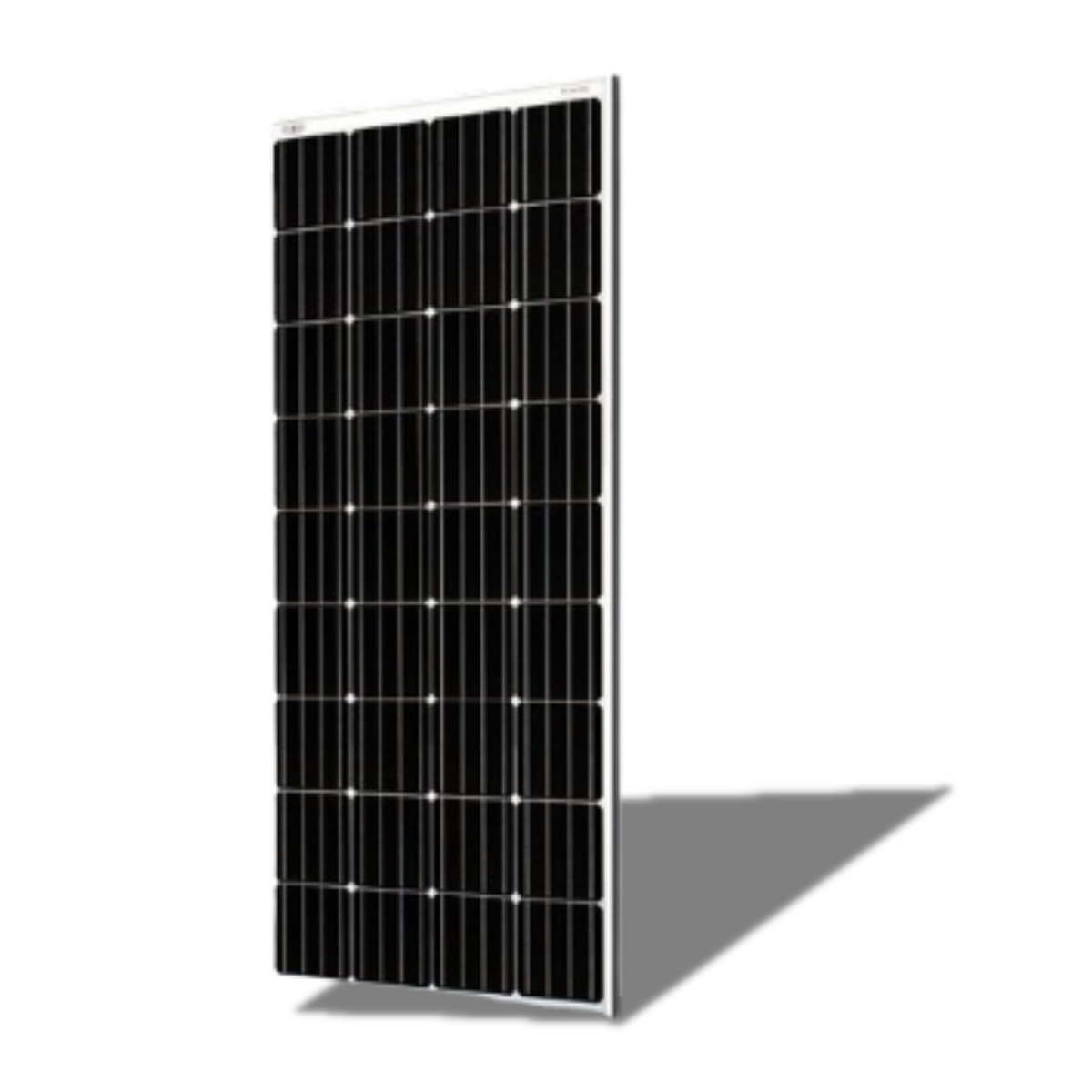
Solar Panel
Air Purifier