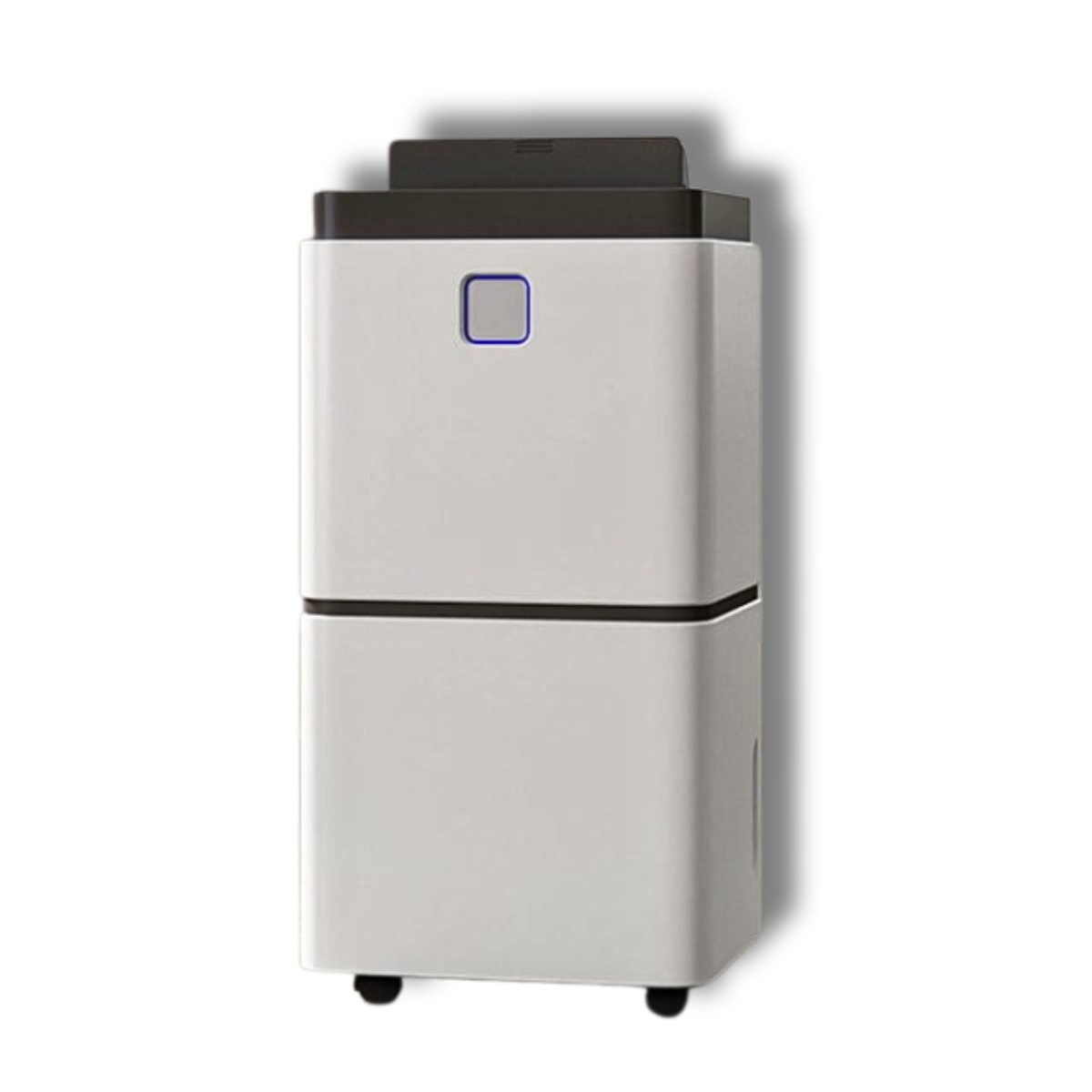


The common mistakes to avoid while using a dehumidifier include choosing the wrong unit size, poor placement, incorrect humidity settings, neglected maintenance, improper drainage and unsuitable operating practices. These mistakes reduce moisture removal efficiency, increase energy consumption, shorten the unit’s lifespan and prevent consistent indoor humidity control. Choosing a correctly sized unit, placing it in an open area and maintaining recommended humidity levels help the dehumidifier operate efficiently and deliver balanced moisture removal.
Regular filter cleaning, proper drainage setup and correct humidistat adjustments improve airflow, support continuous operation and reduce unnecessary strain on internal components. Users should also avoid keeping windows and doors open during operation, letting wet clothes drip onto the unit, switching off desiccant models before the drying cycle ends and using refrigerant units in very cold environments. Following proper installation, maintenance and operating practices improves performance, enhances energy efficiency and extends the dehumidifier’s service life.
10 common mistakes to avoid while using a dehumidifier are listed below.
- Choosing the wrong size dehumidifier
- Poor placement
- Setting incorrect humidity levels
- Not setting the humidistat correctly
- Ignoring drainage options
- Neglecting filter cleaning and maintenance
- Letting wet clothes drip on the unit
- Keeping windows and doors open during operation
- Incorrect power down for desiccant units
- Improper winter or low-temperature use
1. Choosing the wrong size dehumidifier
A dehumidifier in the wrong size sabotages humidity control efforts and reduces moisture balance during operation. It is a common mistake to choose a dehumidifier whose capacity does not match the square footage of your space and its humidity conditions. It causes short cycling, incomplete moisture removal and unnecessary energy use during each session. It leaves hidden damp zones that keep surfaces wet and support recurring moisture problems around the room.
A dehumidifier choice becomes more effective when the user matches the unit size to the room layout and expected usage time. It guides the selection process through accurate room measurements, product rating checks and moisture load evaluation before purchase. It improves performance when the user follows manufacturer sizing charts and cross checks the readings from a hygrometer. It supports efficient cycles without unnecessary strain when the user chooses a unit with slightly higher capacity than the minimum requirement.
The image below shows the tips to choose right size dehumidifier.

2. Poor placement
A dehumidifier in poor placement reduces efficiency by up to 50% and fails to remove adequate moisture from a room. It restricts airflow when furniture or walls surround the unit and block air circulation and vents. It captures less moisture when placed near heat sources, in corners or in tight spaces. It runs longer and delivers poor results when placement restricts air intake and exhaust.
A dehumidifier performs well in open areas with space around all sides and near the main moisture source for balanced dehumidifier placement. It stays away from walls, curtains and furniture to support proper air movement across the unit. It benefits from placement based on hygrometer readings that identify the areas with the highest moisture levels. It improves moisture removal and supports stable operation through correct positioning.
The image below shows where to place a dehumidifier.

3. Setting incorrect humidity levels
A dehumidifier shows reduced performance when a user sets humidity levels outside the recommended range and the setting affects moisture removal during operation. It removes moisture less effectively and may shut off prematurely when incorrect settings disrupt normal operating cycles in enclosed spaces. It relies on a built-in humidistat to sense moisture levels and maintain balanced humidity during operation.
A dehumidifier performs best when the humidity level is set between 45% and 55% relative humidity and the range helps users adjust settings based on room conditions and system response. It creates performance issues when a user sets the humidity level without checking the room’s actual humidity and the incorrect setting affects moisture removal efficiency. It improves results when the user uses a hygrometer to measure room humidity and adjusts the settings accordingly.
4. Not setting the humidistat correctly
A dehumidifier loses performance when the humidistat setting does not match the room’s actual humidity level. A humidistat acts as the dehumidifier’s brain by monitoring moisture levels and controlling operation cycles. It creates inconsistent moisture control when the setting remains too high or too low for the room conditions. It leads to constant manual adjustments when users repeatedly change the setting without checking the actual humidity. It also results in wasted energy when the unit runs longer than necessary or shuts off before reaching the target humidity.
A correct humidistat setting helps a dehumidifier maintain stable moisture levels and efficient cycling. It requires users to select a target humidity level and observe the room’s response over time. Common humidistat setting mistakes are making random adjustments, choosing extreme settings and ignoring changes in room conditions. A dehumidifier delivers more accurate results when users use a digital hygrometer to compare the actual room humidity with the humidistat setting. It maintains balanced performance when users make small adjustments and allows the unit to complete several operating cycles before changing the settings again.
The image below shows the common humidistat misconfigurations.

5. Ignoring drainage options
A dehumidifier performs less efficiently when the drainage option is ignored or installed incorrectly, interrupting continuous moisture removal. It may require frequent manual emptying that causes inconvenient downtime and increasing potential overflow risks if the collection bucket becomes full.
Users make mistakes by selecting the wrong drainage method, creating kinks or upward loops in the hose, failing to maintain the proper slope for gravity drainage or incorrectly connecting pump-out or hose connections. They should select the right drainage option, keep the hose on a continuous downward path, verify proper pump operation and install a hose clamp to prevent leaks and accidental hose disconnection.
6. Neglecting filter cleaning and maintenance
A dehumidifier loses performance when users neglect filter cleaning and maintenance during regular operation. Dust buildup blocks airflow, reduces moisture removal and forces the unit to work harder in every cycle. It becomes one of the most damaging mistakes because residue accumulation increases energy consumption, extends runtime and places continuous strain on internal components. It also shortens the unit’s lifespan over time.
Users make maintenance mistakes by ignoring cleaning schedules, reinstalling a wet filter or running the unit with residue inside. They should inspect the filter weekly and clean it monthly to maintain steady operation. They should turn off the power, remove the filter, rinse it with water, let it dry completely and reinstall it. This routine supports consistent moisture control, reliable performance and longer system life.
7. Letting wet clothes drip on the unit
A dehumidifier is misused when people let wet clothes drip directly onto the unit instead of keeping water away from its electrical and airflow systems. It loses efficiency because dripping water bypasses the normal moisture collection process and interferes with safe operation. It also faces risks of damaging the internal components when water reaches electrical parts, cause short circuits, and creates a potential fire hazard.
People commonly make mistakes by hanging dripping laundry directly above the unit, placing clothes too close to the air outlet or ignoring proper spacing. A dehumidifier can also develop mold growth inside the unit, which further decreases performance over time. It works more safely when clothes remain at least 3 to 6 feet (1 to 2 meters) away and excess water is allowed to drain before drying indoors.
8. Keeping windows and doors open during operation
A dehumidifier loses effectiveness when users keep windows and doors open during operation because continuous humid air entry replaces processed air and prevents humidity reduction. It wastes energy and shortens the unit’s lifespan because internal components run longer to remove excess moisture entering from outside sources. It loses control over indoor conditions when an extreme humidity spike enters from outdoor air or connected spaces and disrupts target humidity levels.
A dehumidifier allows initial ventilation before operation, so indoor air exchanges once and requires closed windows and doors during active cycles. It maintains performance when users seal gaps, reduce door movement and stop outdoor air exchange while the system runs. It stabilizes humidity levels when occupants manage ventilation between cycles instead of keeping windows open during operation.
9. Incorrect power down for desiccant units
A dehumidifier loses efficiency when users switch off a desiccant unit before the drying cycle is complete. It is a common mistake because the heated rotor wheel does not finish releasing stored moisture, which reduces drying performance and leaves excess moisture inside the unit. It also places unnecessary stress on the system over time.
Users unplug the unit, switch it off mid-cycle or ignore the completion signal before the regeneration fan finishes running. A dehumidifier should be powered down only after the drying cycle ends and the completion signal appears. It helps prevent damage to internal components and avoids practices that can shorten the unit’s lifespan.
10. Improper winter or low temperature use
A dehumidifier performs poorly in winter when users operate it without understanding limitations in low temperature environments. Refrigerant (compressor) dehumidifiers remove moisture less efficiently as temperatures drop because frost can form on the coils, reducing water extraction. It also struggles to operate properly if the compressor overheats or freezes, which leads to reduced performance and longer operating cycles.
Users commonly make mistakes by running the same dehumidifier in a cold basement (<15°C) or other unheated spaces without checking its recommended operating range. A dehumidifier works more effectively when users choose a model designed for low temperatures or use a desiccant unit in colder conditions. It should also be operated within the manufacturer’s recommended temperature range for reliable moisture removal.
What are the mistakes to avoid when buying a dehumidifier?
The mistakes to avoid when buying a dehumidifier include capacity assessment errors, efficiency evaluation gaps, expense planning failures, drainage mismatches, humidity control issues, maintenance neglect and comparison limitations. These reduce performance, increase operating expenses, disrupt usability and weaken long term humidity management outcomes.
11 mistakes to avoid when buying a dehumidifier are given below.
- Ignoring capacity (liters/pints per day): A dehumidifier with insufficient moisture removal capacity cannot control humidity effectively, while an oversized unit cycles too frequently, reduces efficiency and fails to deliver consistent moisture control.
- Overlooking energy efficiency: A dehumidifier without a high energy efficiency rating consumes more electricity, increases monthly utility bills and raises long term operating costs throughout the unit’s expected service life.
- Misjudging running costs: A dehumidifier with low upfront cost may still become expensive because electricity use, filter replacement, maintenance and repair expenses increase the total cost of ownership.
- Selecting the wrong drainage system: A dehumidifier with the wrong drainage system requires frequent manual water removal or prevents continuous operation where uninterrupted moisture removal is necessary.
- Ignoring noise level ratings: A noisy dehumidifier causes discomfort in bedrooms, offices and living spaces that reduces comfort during work, relaxation, sleep and other daily indoor activities.
- Not checking humidistat accuracy: A dehumidifier with an inaccurate humidistat maintains incorrect humidity levels, which causes unnecessary operation, reduced comfort, inconsistent moisture control and lower operating efficiency.
- Skipping filter type and maintenance requirements: A dehumidifier with a difficult filter design increases cleaning effort, restricts airflow, reduces efficiency and affects long term reliability and overall performance.
- Ignoring low temperature performance ratings: A standard dehumidifier loses moisture removal efficiency in cold basements, garages or other unheated spaces unless it is designed for low-temperature operation.
- Not checking warranty and after-sales service: A dehumidifier with limited warranty coverage or poor after sales service can increase repair expenses, delay maintenance and make replacement parts more difficult to obtain.
- Choosing the wrong model for room type: A dehumidifier that does not match the room size, humidity level or application delivers poor performance, wastes electricity and reduces overall moisture control effectiveness.
- Not comparing multiple dehumidifier models: A dehumidifier selected without comparing multiple models offers fewer features, lower efficiency, higher operating costs and reduced long term value compared with better alternatives.
Does room size matter when buying a dehumidifier?
Yes, room size matters when buying a dehumidifier because the pint capacity needs to match the volume of air in the space. It removes moisture efficiently when its rating aligns with room size, while undersized units run constantly and fail to control humidity. It wastes energy if the sizing is wrong and oversized options cost more upfront.
What should I look for when buying a dehumidifier?
You should look for pint capacity, drainage options and operating temperature when buying a dehumidifier. It checks pint capacity against room size and expected daily moisture in the space. It reviews drainage options through tank emptying, hose connections and gravity based continuous setups. It considers operating temperature so performance stays stable in basements, living areas or cooler storage zones.
How do I drain my dehumidifier automatically?
You can drain your dehumidifier automatically by choosing the appropriate drainage setup for your space. Use the gravity drain method by locating the threaded drain port and attaching a drain hose that directs water to a nearby floor drain. Install a condensate pump when gravity drainage is not possible because it moves collected water upward or over longer distances.
Which is the best place to put a dehumidifier?
The best place to put a dehumidifier is in a central, open area of the house where air circulates freely. Keep the unit away from walls, furniture and curtains so it can draw in moist air efficiently. Place it near the area with the highest humidity when targeting a specific moisture problem.
Is it better to have a dehumidifier high or low?
Yes, it is better to have a dehumidifier high or low because placement near the floor targets heavier, moist air. A dehumidifier on a 10 to 20 cm stand or mat keeps it off wet surfaces, prevents ground moisture, and allows better air intake.
Is it bad to run a dehumidifier constantly?
No, it is not bad to run a dehumidifier constantly because it removes excess moisture when humidity levels stay above 50%. A dehumidifier runs constantly and wastes electricity after target levels stabilize. It creates air over dry in closed rooms unless users use the humidistat mode to cycle operation.
Why is my dehumidifier not collecting water?
Your dehumidifier is not collecting water because incorrect humidity settings prevent it from running long enough to remove moisture from the air. It loses effectiveness when a dirty air filter blocks airflow into the unit. It stops condensing water when frozen coils interrupt evaporation and drainage inside the housing, causing the dehumidifier not to collect water.
Can dehumidifiers make you sick?
Yes, dehumidifiers can make you sick because poorly maintained units grow mold and bacteria, release spores and endotoxins and worsen respiratory conditions. They circulate contaminated air through rooms and expose lungs to bioaerosols. They increase symptom flare ups in people with asthma and allergies during regular use.
Can a dehumidifier cause sinus problems?
Yes, a dehumidifier can cause sinus problems because it reduces humidity and irritates the nasal passage and dries out the sinus membranes. It removes moisture from the air and affects the sinus lining, leading to discomfort and pressure.
Can a dehumidifier dehydrate you overnight?
No, a dehumidifier cannot dehydrate you overnight because it removes moisture from the air, not from the body. It affects the humidity in a room and changes the water in the air without altering the fluid in your body.
Does a dehumidifier help with allergies?
Yes, a dehumidifier helps with allergies because it reduces humidity to 30 to 50% and prevents mold and mildew that trigger reactions. It reduces allergy symptoms by limiting dust mites and mold growth, so a dehumidifier helps with allergies in damp indoor spaces.
What are the disadvantages of using a dehumidifier?
The disadvantages of using a dehumidifier are high energy consumption, frequent maintenance needs, noise during operation and a tendency to dry air excessively. It raises electricity use when the compressor and fan run for long periods. It needs routine cleaning and inspection to keep the drainage and filters clear. It produces sound that affects rooms and reduces moisture beyond levels users prefer.
Solar Panel
Air Purifier