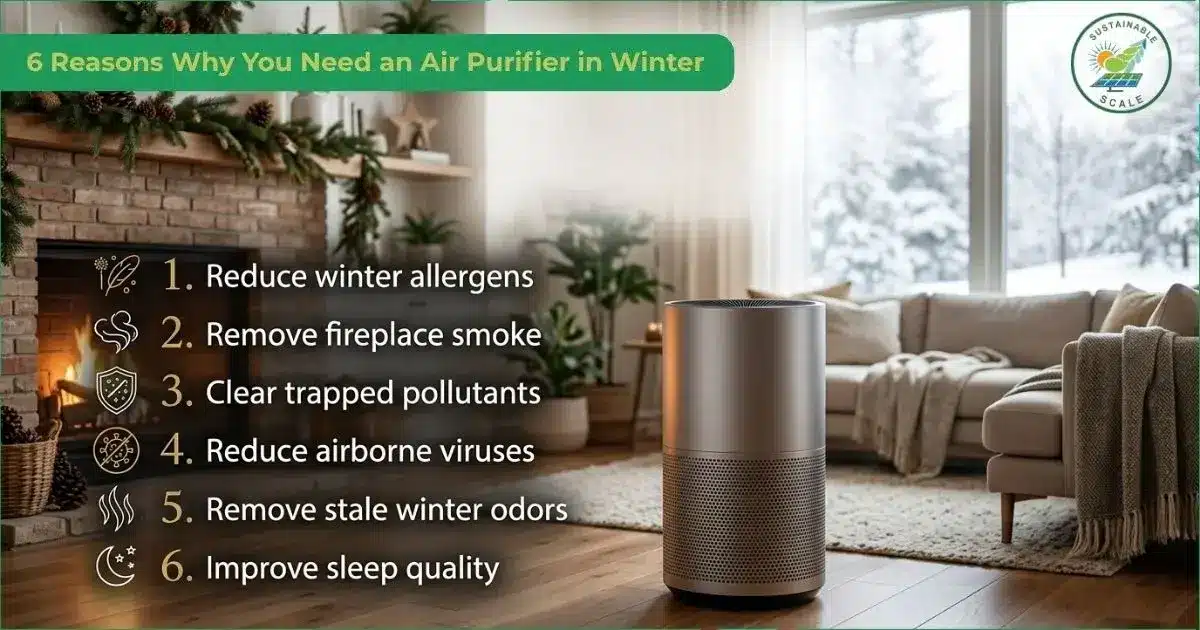
6 Reasons Why You Need an Air Purifier in Winter

- Published Date - November 02, 2026
- Modified date - November 02, 2026
Table of Contents
You need an air purifier in winter because it reduces winter allergens, removes fireplace smoke, clears trapped pollutants, reduces airborne viruses, removes stale winter odors and improves sleep quality. An air purifier uses a true HEPA filter that captures airborne allergens such as dust, pet dander and pollen. It reduces airborne particle concentrations and supports allergy symptom control, although they do not remove allergens from carpets, bedding or furniture. An air purifier uses multi-stage filtration to capture fine smoke particles and reduce smoke related gases and odors. It combines HEPA filtration with activated carbon filtration to reduce combustion related pollutants and volatile compounds. An air purifier removes indoor contaminants that accumulate when homes remain closed during winter. It captures airborne particles through HEPA filtration while activated carbon reduces gases and volatile organic compounds.
An air purifier captures virus laden aerosols and fine particles through HEPA grade filtration. It reduces concentrations of potentially infectious airborne material, which becomes relevant when people spend more time indoors and ventilation decreases. An air purifier continuously circulates indoor air through multilayer filtration systems. It reduces odor causing gases and volatile organic compounds, while activated carbon filtration helps control unpleasant indoor smells. An air purifier reduces airborne particles such as dust, pet dander and pollen that contribute to nighttime irritation. It reduces congestion for people affected by airborne allergens and supports more comfortable breathing during sleep.
6 reasons you need an air purifier in winter are listed below.
- Reduce winter allergens
- Remove fireplace smoke
- Clear trapped pollutants
- Reduce airborne viruses
- Remove stale winter odors
- Improve sleep quality
1. Reduce winter allergens
Air purifiers reduce winter allergens by filtering fine particles through a true HEPA filter. They capture dust, pet dander, pollen and other airborne allergens that circulate indoors during winter. Air purifiers reduce the concentration of these particles in circulating indoor air, which supports allergy symptom control for sensitive people. They help people breathe indoors more comfortably when airborne allergens contribute to sneezing, irritation or congestion. Air purifiers reduce allergens from circulating air but do not eliminate allergens from carpets or bedding, furniture and other surfaces where particles settle.
2. Remove fireplace smoke
Air purifiers remove fireplace smoke through multiple filtration stages that continuously clean indoor air. They use HEPA grade filtration to capture fine smoke particles while pulling smoky air through the unit. Air purifiers with an activated carbon filter adsorb smoke related gases and odor compounds that particle filtration does not capture. They reduce the concentration of smoke circulating through the room and help reduce fireplace related odors. Air purifiers also target volatile compounds through activated carbon filtration. They continuously clean indoor air while the fireplace introduces smoke particles and combustion related gases into the room.
3. Clear trapped pollutants
Air purifiers clear trapped pollutants that accumulate indoors during winter when homes remain closed for longer periods. They remove indoor contaminants such as dust, fine particles, smoke and gases from circulating indoor air. Air purifiers use multi-stage filtration to separate different types of pollutants from indoor air. They use a HEPA filter that captures airborne particles, while an activated carbon filter reduces gases and volatile organic compounds. Air purifiers continuously remove pollutants as household activities introduce new particles. They help maintain cleaner indoor air when natural ventilation remains limited during colder weather.
4. Reduce airborne viruses
Air purifiers help reduce airborne respiratory viruses by capturing virus laden aerosols through HEPA filtration. They trap fine particles that carry viruses, which reduces the concentration of potentially infectious particles circulating through indoor air. Air purifiers reduce the amount of airborne material available for inhalation, although they do not eliminate infection risk. They become more relevant during winter because people spend more time indoors while reduced natural ventilation limits outdoor air exchange. Air purifiers help maintain lower airborne particle concentrations in enclosed rooms where respiratory aerosols accumulate.
5. Remove stale winter odors
Air purifiers help remove stale winter odors that develop from closed windows and reduced ventilation. They filter continuously circulating indoor air through multilayer systems that capture airborne particles and reduce odor causing gases. Air purifiers with activated carbon filtration adsorb volatile organic compounds (VOCs) and other odor compounds that contribute to unpleasant smells. They also capture airborne particles associated with some indoor odors. Air purifiers continuously process circulating air, which helps keep indoor air fresher when winter ventilation remains limited.
6. Improve sleep quality
Air purifiers improve sleep quality by reducing airborne particles that contribute to nighttime respiratory irritation. They capture dust, pet dander and pollen, which reduces exposure to common indoor allergens during sleep. Air purifiers also reduce congestion for people whose nighttime symptoms worsen around airborne allergens. They help make breathing more comfortable through the night when airborne particles contribute to irritation or discomfort. Air purifiers have also been examined in sleep studies, which have reported improvements in some sleep related outcomes. They do not treat underlying sleep disorders but reduce airborne triggers that disturb comfortable nighttime breathing.
How to use an air purifier during winter?
Use an air purifier in winter by placing it properly, closing windows and doors, running it consistently, choosing the right speed and cleaning filters regularly. Air purifiers also require clear airflow around the unit and proper humidity control for effective winter operation.
The best practices to use an air purifier in winter are given below.
- Place the purifier properly: Place the air purifier in a central, open area where airflow remains unobstructed and filtered air circulates efficiently throughout the entire room.
- Close windows and doors: Keep windows and doors closed while the air purifier operates because indoor spaces remain closed during winter, which allows continuous cleaning of circulating indoor air.
- Run it consistently: Run the air purifier consistently during periods of high indoor pollution to continuously remove airborne particles that accumulate when winter ventilation remains limited.
- Choose the right speed: Select an appropriate fan speed based on room conditions and indoor air quality, which uses higher speeds when smoke, dust or allergens increase indoors.
- Keep vents clear: Keep furniture, curtains, bedding and other objects away from the intake and outlet vents to maintain unobstructed airflow and effective filtration performance throughout operation.
- Clean filters regularly: Clean washable filters and replace disposable filters according to the manufacturer’s instructions to prevent accumulated dust and pet hair from restricting airflow and filtration.
- Maintain proper humidity: Maintain comfortable indoor humidity during winter because excessively dry air irritates the respiratory system, while excessive humidity supports conditions that promote mold growth.
- Ventilate when needed: Ventilate the room when outdoor air quality is suitable, then close windows and doors so the air purifier continues cleaning indoor air.
When to use an air purifier?
Use an air purifier when indoor air contains dust, allergens, smoke, pet dander or other airborne particles that affect indoor comfort. Air purifiers are also useful during cold and flu seasons, when people spend more time indoors and reduced ventilation allows airborne particles to accumulate.
Why use an air purifier 24/7 during winter?
Use an air purifier 24/7 during winter because homes are often closed, which allows indoor pollutants to accumulate. Air purifiers continuously filter circulating air and remove airborne particles throughout the day. They help maintain cleaner indoor air when outdoor ventilation remains limited and household activities continue producing pollutants.
Should you use an air purifier with a heater?
Yes, you should use an air purifier with a heater because they perform different functions. An air purifier removes airborne particles from circulating air, while a heater warms the room. It needs enough clearance around both appliances to prevent blocked airflow and maintain safe operation.
Which type of air purifier is best for winter use?
The type of air purifier that is best for winter use is a HEPA air purifier because it captures fine particles when windows remain closed. An air purifier with a sealed filtration system prevents filtered air from bypassing the filter, while an activated carbon filter reduces odors and gaseous pollutants from indoor sources.
Does an air purifier dry out the air in winter?
No, an air purifier does not dry out the air in winter because it filters airborne particles without removing significant moisture. It does not operate through dehumidification. An air purifier with strong airflow makes the air feel dry, but it does not substantially reduce indoor humidity.
Can an air purifier make a room cold?
No, an air purifier can not make a room cold because it does not produce cold air or lower the room temperature. An air purifier circulates and filters indoor air through its filtration system. It creates slight airflow that feels cool without actually changing the room temperature.
Do air purifiers help with sickness?
Yes, air purifiers help with sickness by removing airborne particles associated with some respiratory infections. Air purifiers with HEPA filters capture particles and respiratory aerosols that circulate indoors. They reduce airborne particle levels but do not cure illness or replace medical treatment.
Does an air purifier help when you have a cold?
Yes, an air purifier helps when you have a cold by removing airborne particles from indoor air. Air purifiers improve indoor air quality by reducing particles that accumulate in enclosed spaces while you recover.
Do air purifiers help with COVID-19?
Yes, air purifiers help with COVID-19 by capturing virus containing particles and respiratory aerosols from indoor air. Air purifiers with HEPA filtration reduce airborne particle concentrations, which lowers the amount of virus containing material circulating through the room.
Can an air purifier make you sick?
Yes, an air purifier can make you sick if it is poorly maintained, used incorrectly and produces ozone. Air purifiers with dirty filters circulate accumulated debris, while ozone generating models irritate the respiratory system. They require proper maintenance and appropriate operation to avoid these problems.
Are air purifiers a waste of money?
No, air purifiers are not a waste of money because they reduce airborne particles such as dust, pollen, pet dander and other pollutants. Air purifiers with appropriate filtration improve indoor air quality, particularly in rooms where airborne particles accumulate or outdoor ventilation remains limited.
Products
Solar Panel
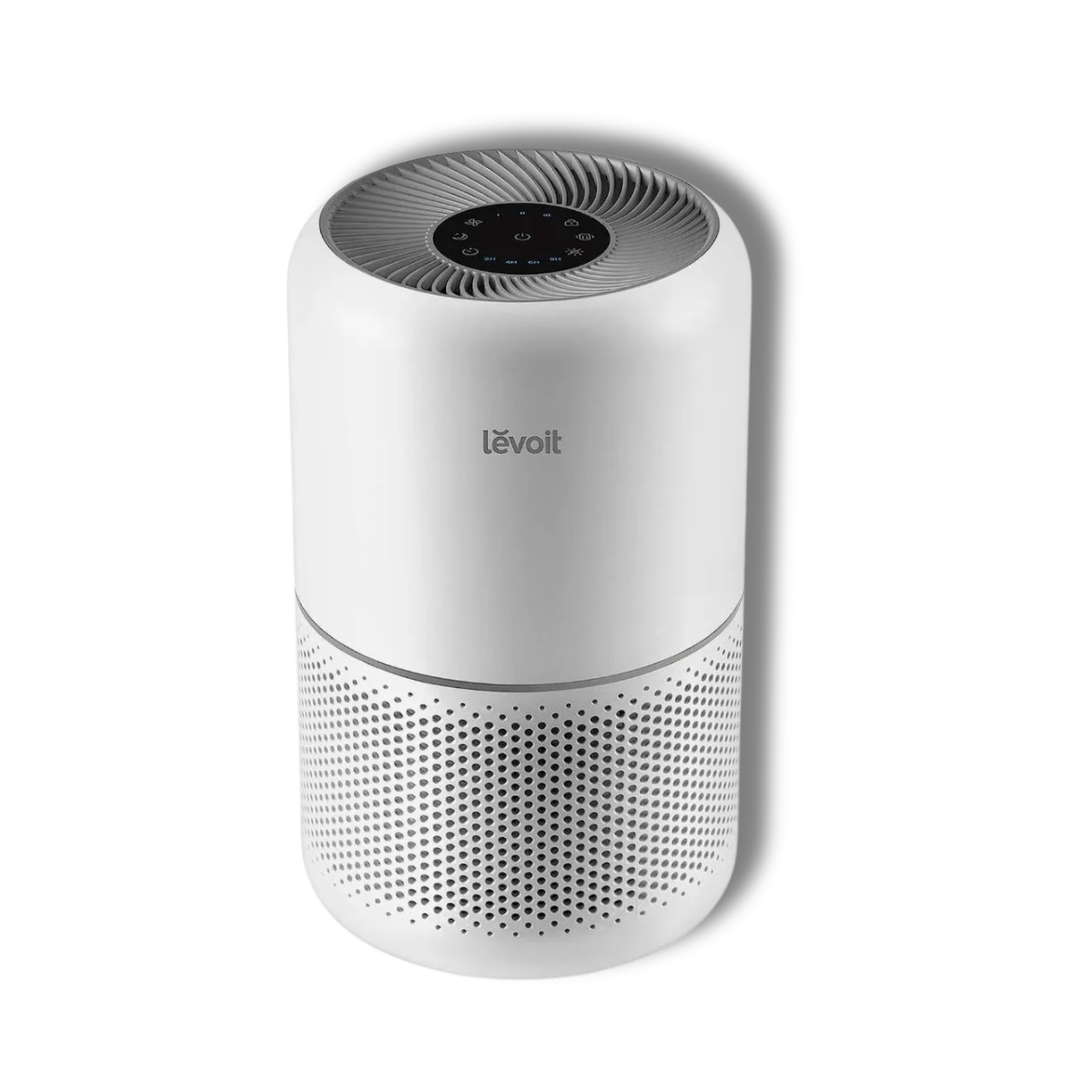
Air Purifier