Do Air Purifiers Help with COVID-19?

- Published Date - November 02, 2026
- Modified date - November 02, 2026
Table of Contents
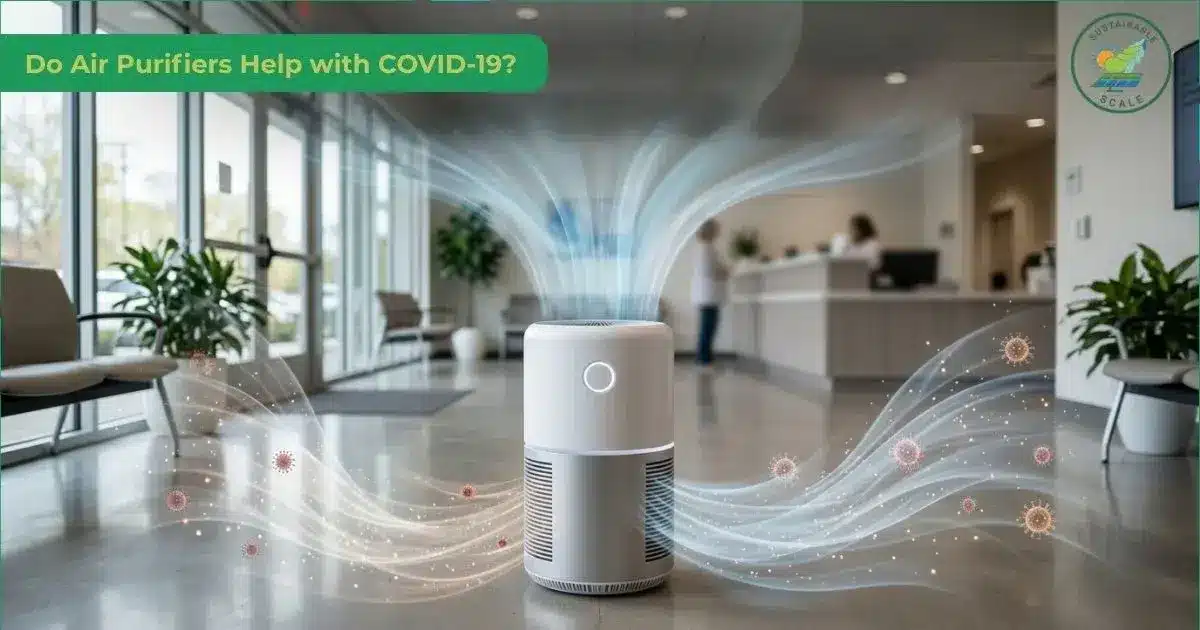
Yes, air purifiers help with COVID-19 because they filter airborne particles that carry SARS-CoV-2 and reduce the concentration of potentially infectious particles indoors. COVID-19 is an infectious respiratory disease that spreads through respiratory particles released when an infected person breathes, talks, coughs or sneezes. Air purifiers support cleaner air by continuously filtering these particles, particularly in enclosed spaces with limited natural airflow. Air purifiers help with COVID germs by using HEPA filtration to capture virus containing airborne particles before they remain suspended in the room. It reduces airborne germs through filtration, although it does not directly destroy the viruses it captures.
Air purifiers for COVID-19 use require a true HEPA model with a CADR appropriate for the room size. Place the unit in the room where people spend the most time or near an infected household member while keeping its airflow unobstructed. Run the unit continuously and use a higher fan speed when practical to increase the amount of air filtered. Keep doors closed when appropriate and combine filtration with ventilation, masking, and hand hygiene. The best air purifiers for COVID-19 include the Coway Airmega 400S, Blueair Blue Pure 211i Max, Levoit Core 600S, Winix 5510, IQAir HealthPro Plus, Austin Air HealthMate, Alen BreatheSmart 45i, and Medify Air MA-112. These models provide HEPA based filtration with varying CADR, room coverage, and operating features.
What is COVID-19?
COVID-19 is an infectious respiratory disease caused by the virus SARS-CoV-2. It is known as coronavirus disease 2019, referring to the year health officials first identified the disease. COVID-19 began spreading worldwide in early 2020 after cases emerged in Wuhan, China, and the World Health Organization declared the COVID-19 pandemic on March 11, 2020.
COVID-19 spreads through respiratory particles released when an infected person coughs, sneezes, talks or breathes. These particles can carry SARS-CoV-2 through the air and expose people nearby. COVID-19 transmission becomes more likely with close contact and poor indoor ventilation, which allows respiratory particles to accumulate.
How do people get COVID-19?
The ways people get COVID-19 are outlined below.
- Inhaling air: COVID-19 spreads when a person inhales air containing tiny respiratory particles released while an infected person breathes, coughs or talks.
- Indoor buildup: COVID-19 particles accumulate indoors when poor ventilation allows respiratory particles to remain suspended in enclosed rooms for extended periods.
- Close contact: COVID-19 transmits when a person stays near an infected individual who is breathing, talking or releasing respiratory particles.
- Surfaces: COVID-19 spreads when a person touches contaminated surfaces and then touches their eyes, nose or mouth with unwashed hands.
What are COVID-19 symptoms?
COVID-19 symptoms are outlined below.
- Fever or chills: COVID-19 causes a fever above 100.4°F or sudden chills, sometimes accompanied by noticeable shivering during an active infection.
- Respiratory signs: COVID-19 causes a persistent cough, shortness of breath or sore throat that affects normal breathing and causes respiratory discomfort.
- General discomfort: COVID-19 triggers fatigue, muscle aches and headaches that persist for several days after infection and affect daily activities.
- Head and senses: COVID-19 causes a runny or stuffy nose and changes in taste or smell during an active respiratory infection.
- Digestive issues: COVID-19 produces nausea, vomiting or diarrhea, which occur alongside respiratory symptoms during an active infection.
How do air purifiers help with COVID-19?
Air purifiers help with COVID-19 by filtering virus particles, reducing airborne particles, reducing COVID-19 exposure, improving ventilation and cleaning indoor air. They capture airborne virus particles before a person inhales them. Air purifiers reduce airborne exposure to COVID-19 indoors, particularly in spaces with limited natural airflow.
6 ways air purifiers help with coronavirus are given below.
- Filter virus particles: Air purifiers with HEPA filters can capture virus containing particles, that include respiratory aerosols and droplets, as they pass through the filter.
- Reduce airborne particles: Air purifiers remove tiny airborne contaminants like dust, smoke, pollen and coronavirus particles, which helps reduce suspended pollutants throughout enclosed indoor spaces.
- Reduce COVID-19 exposure: Air purifiers lower the concentration of potentially infectious particles indoors, which can reduce exposure and the risk of transmission indoors.
- Improve ventilation: Air purifiers improve ventilation by supplementing natural airflow in rooms where opening windows is not practical or possible, which maintains cleaner air throughout enclosed spaces.
- Clean indoor air: Air purifiers clean indoor air by removing dust, pollen, smoke and virus-containing particles that accumulate in enclosed spaces, which lowers airborne particle concentrations over time.
- Remove respiratory aerosols: Air purifiers remove respiratory aerosols released when an infected person coughs, talks or breathes, which lowers potentially infectious particle concentrations and reduces exposure.
How to use an air purifier for COVID-19?
Use an air purifier for COVID-19 by choosing the right air purifier, placing it in the room, positioning the airflow correctly, running it continuously and using a higher fan speed. Select a unit with a true HEPA filter and a high clean air delivery rate, then run it continuously in the room where people spend the most time.
The tips for using an air purifier for COVID-19 are given below.
- Choose the right air purifier: Select a model with a true HEPA filter and a clean air delivery rate suited to the size of the room, which allows it to remove airborne particles.
- Place it in the room: Position the unit in the room where people spend the most time to capture virus laden aerosols close to the source and reduce their concentration in the surrounding air.
- Position the airflow correctly: Direct the airflow away from where people sit so it does not blow particles from one person toward another, especially in shared or poorly ventilated spaces.
- Run it continuously: Operate the purifier around the clock, since virus particles continue entering the air whenever an infected person breathes, talks, coughs or sneezes.
- Use a higher fan speed: Set the fan to a higher speed to increase the volume of air filtered per hour without disturbing sleep or creating excessive noise.
- Replace the filter regularly: Swap the HEPA filter on the manufacturer’s schedule, since a clogged filter restricts airflow and reduces the purifier’s overall filtration performance.
- Improve ventilation: Open windows or doors when possible, since ventilation combined with filtration removes more airborne particles than filtration alone and improves overall indoor air exchange.
- Avoid ozone generating purifiers: Skip purifiers that produce ozone as a cleaning method, since ozone irritates the respiratory system without effectively removing viruses from indoor air.
How to use an air purifier when a family member is sick with COVID-19?
8 steps to use an air purifier when a family member is sick with COVID-19 are given below.
- Isolate the patient: Keep the sick family member in a separate room to reduce contact and exposure to airborne viral particles.
- Place the purifier in the patient’s room: Position the air purifier near the patient to capture airborne particles before they spread throughout the room.
- Position for optimal airflow: Keep the purifier away from walls and furniture to allow unobstructed air intake and proper circulation around the unit.
- Ensure continuous operation: Run the purifier continuously to maintain filtration and reduce airborne particle concentrations while the patient recovers.
- Keep the room closed: Keep the patient’s door closed when practical to limit airborne particle movement into shared household areas.
- Set up multiple purifiers for larger spaces: Use an additional purifier in larger rooms to increase filtered airflow and improve particle removal.
- Maintain filters regularly: Check and replace filters according to the manufacturer’s schedule to maintain airflow and effective particle filtration.
- Combine measures: Combine air purification with masks, ventilation and hand hygiene because filtration alone does not eliminate every exposure risk.
What are the best air purifiers for COVID-19?
The best air purifiers for COVID-19 are the Coway Airmega 400S, Blueair Blue Pure 211i Max, Levoit Core 600S, Winix 5510, IQAir HealthPro Plus, Austin Air HealthMate, Alen BreatheSmart 45i and Medify Air MA-112. They combine high CADR with true HEPA filtration, which allows continuous operation at quiet noise levels suited to bedrooms and living areas.
8 best air purifiers for COVID-19 are given below.
- Coway Airmega 400S: Coway Airmega 400S uses a true HEPA filter with dual pre-filters and covers rooms up to 1,560 square feet, which provides high CADR for effective continuous air filtration.
- Blueair Blue Pure 211i Max: Blueair Blue Pure 211i Max combines HEPASilent filtration with app based controls and quiet operation, which makes it suitable for rooms of roughly 600 square feet during continuous use.
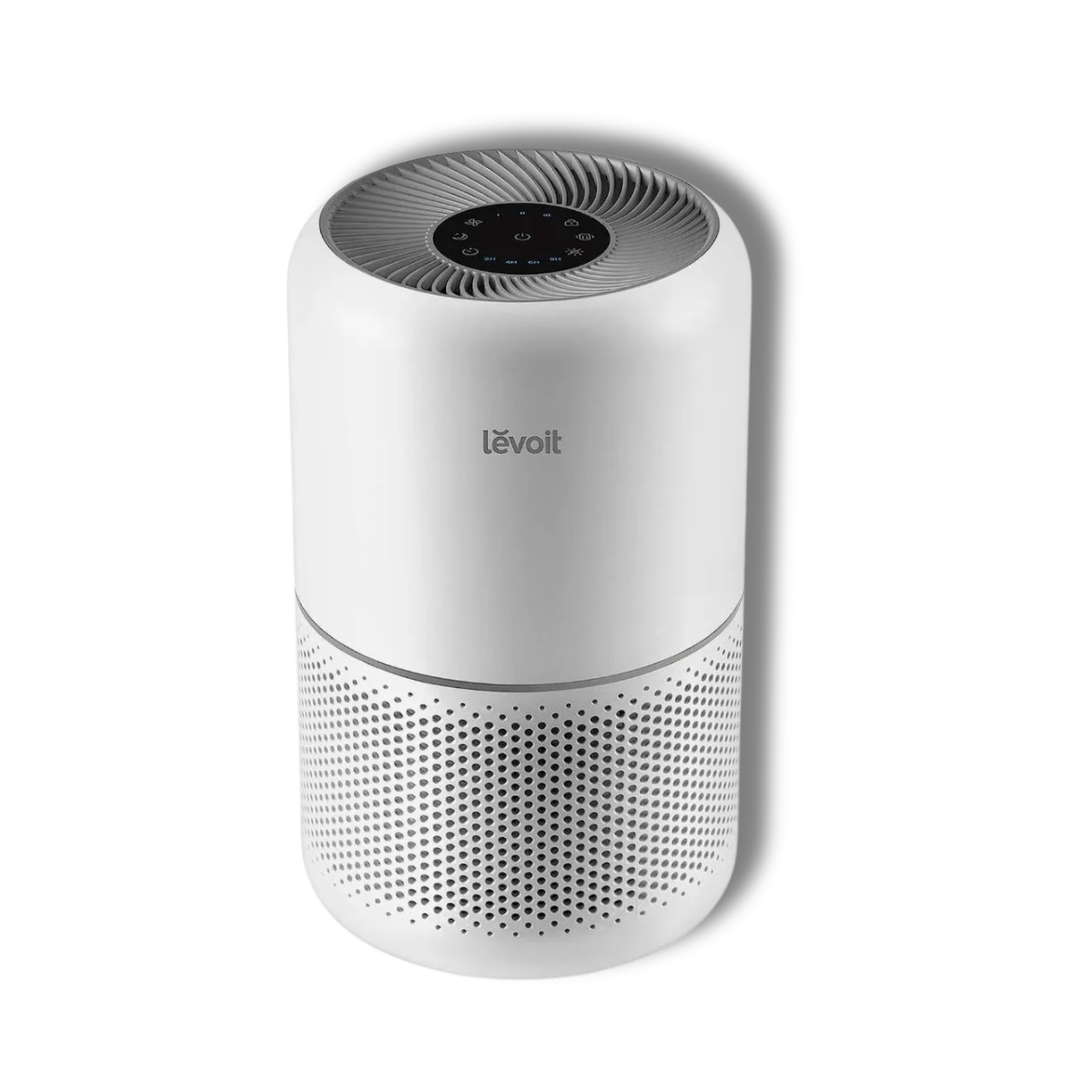
- Levoit Core 600S: Levoit Core 600S uses a true HEPA filter with app connectivity and automatic fan adjustment, which provides continuous filtration and convenient control for medium sized rooms and shared indoor spaces.
- Winix 5510: Winix 5510 combines a true HEPA filter with a washable AOC carbon filter, which provides continuous air filtration and odor reduction while maintaining an affordable price for household use.
- IQAir HealthPro Plus: IQAir HealthPro Plus uses a HyperHEPA filter that captures 97% of particles down to 0.3 microns, which provides continuous high efficiency filtration for demanding indoor air quality needs.
- Austin Air HealthMate: Austin Air HealthMate combines a medical grade true HEPA filter with a large activated carbon bed, which provides particle and odor filtration covering rooms up to 1,500 square feet.
- Alen BreatheSmart 45i: Alen BreatheSmart 45i covers up to 800 square feet with a true HEPA filter and operates at a quiet 53.4 decibels on high, which supports comfortable continuous filtration.
- Medify Air MA-112: Medify Air MA-112 achieves a CADR of 950 with dual true HEPA filters, which provides high volume air filtration for larger rooms and covers up to 2,400 square feet.
Which type of air purifier is best for COVID-19?
A true HEPA air purifier is the best type of air purifier for COVID-19. It captures fine airborne particles down to 0.3 microns such as virus containing aerosols released when an infected person breathes or talks. A true HEPA air purifier with a high clean air delivery rate removes more particles per hour than ionizers or ozone based devices, without producing harmful byproducts.
Can you run an air purifier 24/7 for COVID-19?
Yes, you can run an air purifier 24/7 for COVID-19 because continuous filtration can help maintain lower concentrations of airborne particles. Air purifiers can operate continuously while people occupy the space, especially during periods of increased exposure. Longer air purifier runtime provides more consistent filtration throughout the day and night.
Where should you place an air purifier for COVID-19?
You should place an air purifier for COVID-19 in the room where people spend the most time, especially during illness or increased exposure. Place it near the occupied area with unobstructed airflow, away from walls, curtains and other objects that could restrict intake or exhaust.
Do air purifiers help with viruses?
Yes, air purifiers help with viruses because HEPA filters capture airborne particles that contain respiratory viruses. Air purifiers work more effectively when you maintain proper airflow and continuous operation that allows the filter to remove virus containing particles from indoor air and reduce their concentration in occupied spaces.
Can air purifiers prevent colds and flu?
Yes, air purifiers prevent colds and flu because they reduce airborne particles that contain respiratory viruses. Air purifiers cannot eliminate all exposure, so they cannot fully prevent infection from close contact, contaminated surfaces or respiratory droplets.
What are the limitations of using an air purifier for COVID-19?
The limitations of using an air purifier for COVID-19 are that it cannot eliminate infection risk or replace ventilation and other precautions like masking. Its effectiveness depends on room size and filter performance, while transmission through close contact can still occur even when an air purifier is operating.
Can an air purifier make you sick?
Yes, an air purifier can make you sick because an ozone producing ionizer can release ozone at high concentrations. An air purifier with excessive ozone can irritate the respiratory system, while poorly maintained filters can accumulate pollutants and potentially produce harmful by-products.
Products
Solar Panel
Air Purifier