Do Air Purifiers Help with Dust?

- Published Date - November 10, 2026
- Modified date - November 10, 2026
Table of Contents
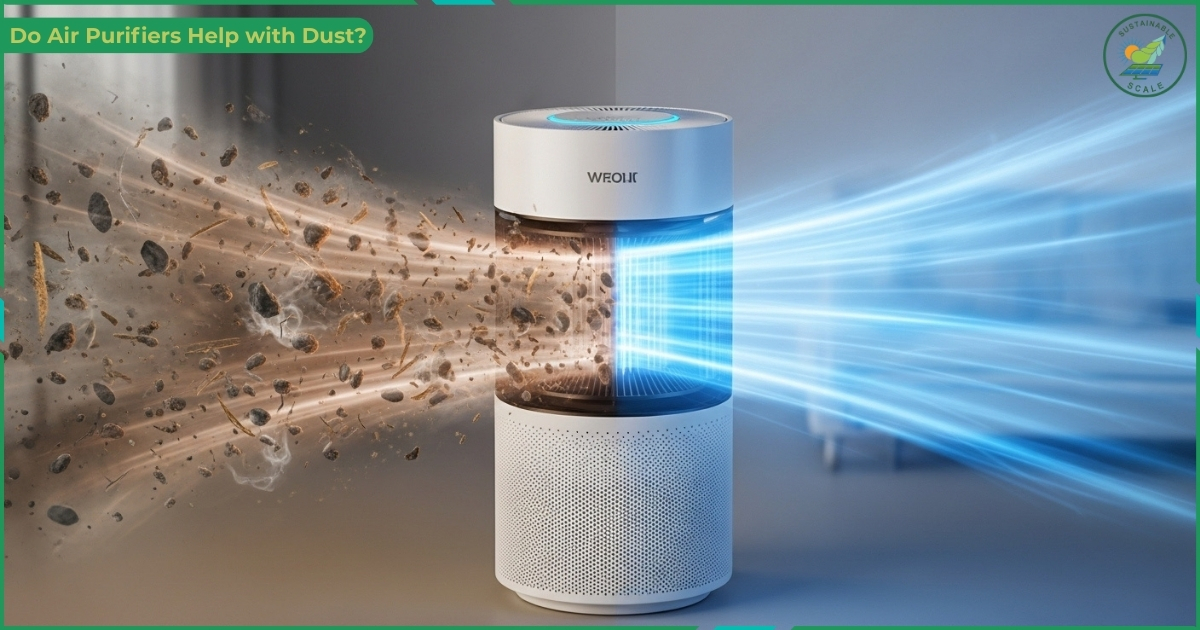
Yes, air purifiers help with dust by improving indoor air quality and reducing exposure to harmful particles that trigger allergies, asthma and other respiratory issues. These devices work by filtering out airborne pollutants. Dust is a mixture of skin cells, pet dander, fibers, soil and microscopic particles, which affects air quality by circulating allergens and pollutants throughout a home. It aggravates respiratory discomfort, reduces HVAC efficiency and contributes to long term health risks such as asthma, COPD and infections. Air purifiers remove dust by drawing in polluted air, which traps large particles with a pre-filter, captures fine dust with a True HEPA filter and neutralizes odors with an activated carbon filter. They release purified air back into the room, which creates fresher circulation.
Air purifiers get rid of dust effectively when properly sized for the room and equipped with True HEPA filters, which capture 99.97% of particles as small as 0.3 microns. They do not capture settled dust or very large debris. An air purifier must be placed in the unit centrally, keep doors and windows closed, run it consistently and maintain filters regularly. Combining with vacuuming, mopping and dusting guarantees even greater dust reduction.
Air purifiers eliminate dust and other irritants, fight germs and remove odors beyond dust control, which makes them valuable for people with allergies or asthma. It prevents dust buildup and is worth it when combined with alternatives like frequent cleaning, HEPA vacuums, upgraded HVAC filters and houseplants that improve air quality.
What is an air purifier?
An air purifier cleans the air indoors by filtering and capturing pollutants and allergens. Its main purpose is to improve indoor air quality by removing harmful and irritating particles that circulate through enclosed spaces. It helps create a safer, healthier breathing environment for everyone at home by running continuously.
Air purifiers are useful because indoor air contains a variety of common airborne contaminants such as dust, pollen, pet dander, mold spores, smoke, viruses, bacteria and unpleasant odors. These particles not only make the air less fresh, but also contribute to health problems. Air purifiers remove dust from the air in the home for individuals sensitive to airborne irritants and reduce allergy and asthma symptoms by lowering exposure to triggers.
What is dust?
Dust is a collection of tiny, visible and invisible solid particles, both organic and inorganic, that accumulate in the air and on surfaces indoors. Indoor dust is made up of a mixture of dead skin cells, pet dander, hair, fabric fibers, pollen, soil, mold spores, soot and even microscopic bits of plastic or metal. The main sources of dust include human activity, pets, outdoor air entering the home, soil tracked indoors and everyday household objects that shed particles over time.
Dust plays a major role in reducing indoor air quality, as it releases allergens like dust mites, pollen and mold spores into the air. These particles irritate the eyes, nose and throat and in sensitive individuals, when inhaled. They negatively impact health by triggering allergies, asthma and other respiratory issues.
How does dust affect indoor air quality?
Dust affects indoor air quality by releasing tiny particles such as dust mites, pet dander and mold spores into the air, which are inhaled and aggravate respiratory issues. It also serves as a reservoir that traps other pollutants and allergens, which worsens overall air pollution indoors. Accumulated dust in HVAC systems reduces their efficiency and spreads contaminants throughout the home, which impairs air quality and impacts health.
How does dust affect your health?
Dust affects your health by irritating the eyes, nose and throat and by causing coughing or sneezing. Fine dust particles, based on their size and composition, reach deep into the lungs and cause short term irritation as well as long term damage to the respiratory and cardiovascular systems. Chronic exposure raises health risks because persistent dust buildup triggers inflammation and scarring, which lead to asthma, lung diseases such as COPD, silicosis and pneumoconiosis, greater susceptibility to infections and lung cancer. Individuals with preexisting conditions are especially vulnerable to severe complications.
How do air purifiers remove dust effectively?
Air purifiers remove dust effectively by following steps such as air intake, filtration and clean air release.
The steps on how air purifiers remove dust effectively are outlined below.
- Air intake: An air purifier draws in surrounding air containing airborne dust particles, pulling them inside the unit to start the process of removing dust from the air effectively.
- Filtration: An air purifier uses a pre-filter to trap large dust, a high efficiency particulate air (HEPA) filter for tiny particles and an activated carbon filter to neutralize odors and impurities.
- Clean air release: An air purifier releases purified air back into the room after filtration, which assures a high percentage of particles are removed and provides fresher, healthier indoor air circulation.
Air purifier performance depends on high efficiency particulate air (HEPA) filters, proper placement, keeping doors and windows closed and performing regular cleaning and maintenance.
How effective are air purifiers for dust removal?
Air purifiers are highly effective for dust removal, especially when equipped with True HEPA filters. True HEPA filters capture at least 99.97% of airborne particles as small as 0.3 microns such as dust, pollen, pet dander, mold spores, smoke and other microscopic contaminants. Most household dust particles range from 0.5 to 100 microns in size, easily trapped by these filters.
Air purifier effectiveness depends on key factors such as using a true HEPA filter, matching the purifier to room size, maintaining filters and securing good airflow. Its limitations include reduced efficiency in open spaces, areas with frequent dust entry, poor maintenance and the inability to capture settled dust or very large debris.
What are the tips for using an air purifier to remove dust?
The tips for using an air purifier to remove dust are to choose the right size air purifier, place it in the proper location, operate it properly, maintain it regularly and combine other cleaning methods.
5 tips for using an air purifier to remove dust are given below.
- Choose the right size air purifier: Select an air purifier with a true HEPA filter and a clean air delivery rate (CADR) matched to your room size for effective dust removal.
- Place in the proper location: Position the air purifier in the center of the room or near dust sources that keep it away from walls and obstacles to maximize airflow and coverage.
- Operate properly: Run the air purifier continuously in rooms with dust issues, with doors and windows closed, to maintain clean air and consistent filtration.
- Maintain regularly: Replace filters on schedule and wipe the exterior and vents to prevent dust buildup that keeps the purifier working efficiently and confirms cleaner air.
- Combine with other cleaning methods: Use the air purifier alongside regular vacuuming, damp dusting or mopping to remove both airborne and settled dust for best overall results.
What are the other benefits of air purifiers?
Other benefits of air purifiers include improving indoor air quality, reducing respiratory irritants, fighting airborne germs and eliminating odors. Cleaner air improves cognitive performance and overall well being.
The other benefits of air purifiers are given below.
- Improve indoor air quality: Air purifiers improve indoor air quality by filtering dust, smoke and chemical fumes, which makes indoor spaces healthier and more comfortable for everyone who spends time inside.
- Reduce respiratory irritants: Air purifiers help reduce respiratory irritants such as pollen and pet dander, which lessen allergy symptoms and minimize asthma triggers in sensitive individuals.
- Fight airborne germs: Air purifiers fight airborne germs by capturing bacteria and viruses from the air, lowering the risk of illness for households, especially during flu season or when someone is sick.
- Eliminate odors: Air purifiers help with smell by elimination odors from cooking, pets and other sources, which creates a fresher environment free from unpleasant or lingering smells that affect indoor comfort.
Are air purifiers good for people with asthma?
Yes, air purifiers are good for people with asthma because they reduce allergens and irritants in indoor air that help relieve asthma symptoms. Air purifiers help with asthma by filtering out particulate matter and pathogens such as dust, pollen and pet dander. They improve overall air quality and support a healthier breathing environment for those who are sensitive to airborne triggers.
Do air purifiers reduce allergy symptoms?
Yes, air purifiers reduce allergy symptoms by removing airborne allergens such as pollen, dust mites, pet dander and mold spores from the air. HEPA air purifiers are effective for allergies, which lowers allergen exposure and helps alleviate sneezing, congestion and other symptoms associated with allergic reactions.
Where to place an air purifier to reduce dust?
To reduce dust, place an air purifier in the center of the room, away from walls and obstacles, to maximize airflow and circulation. Air purifier placement requires elevating the unit for optimal performance in clear spaces. It remains unobstructed to capture dust in high traffic areas and is placed near the bed in the bedroom to confirm clean air while sleeping.
What type of air purifier filter is best for dust?
The best air purifier filter for dust is a True HEPA filter because it captures 99.97% of airborne particles as small as 0.3 microns, including fine dust. Multi stage air purifiers with a washable pre filter provide added benefits by trapping larger dust before it reaches the HEPA filter.
How long does it take for an air purifier to get rid of dust?
An air purifier gets rid of dust in 30 minutes, but full dust reduction and noticeable improvements in air quality take 1 to several hours. The key factors are room size, purifier CADR, dust concentration, placement for airflow and filter condition, all affect how quickly dust is reduced.
Can I clean my air purifier filter instead of replacing it?
Yes, you can clean your air purifier filter instead of replacing it if it is explicitly labeled as washable by the manufacturer. Disposable HEPA filters should never be washed, as doing so damages their fibers and reduces filtration efficiency during regular air purifier cleaning.
Are air purifiers worth it?
Yes, air purifiers are worth it if someone has specific health concerns like allergies or asthma or is exposed to airborne particles such as dust, pollen, mold, or smoke. They help reduce indoor pollutants and allergens, which ease symptoms and improve overall respiratory health. Purifiers make home environments safer and more comfortable for those sensitive to air quality.
What are the other effective ways to remove dust in your home?
7 other effective ways to remove dust in your home are outlined below.
- Dusting and cleaning regularly: Wipe surfaces with microfiber cloths and mop floors weekly to physically remove dust and prevent buildup in living spaces.
- Vacuuming frequently: Use a vacuum cleaner with a HEPA filter to capture dust particles from floors, carpets and upholstery without redistributing them.
- Washing fabrics: Launder bedding, curtains and cushions weekly to eliminate dust mites and dust trapped in fabrics throughout the home.
- Upgrading HVAC filters: Install high efficiency or HEPA-rated HVAC filters and replace them to reduce dust circulating through home ventilation.
- Spraying dust control products: Apply dust control sprays to surfaces, which help repel and reduce settling dust, making cleaning efforts more effective.
- Maintaining home ventilation and sealing: Keep good airflow with open windows or fans and seal cracks and entry points to prevent outdoor dust intrusion.
- Using plants: Place air purifying houseplants such as spider or snake plants, as they absorb airborne particles and help improve air quality.
Products
Solar Panel
Air Purifier