Do Air Purifiers Help with Asthma? Effectiveness and How to Choose One

- Published Date - November 10, 2026
- Modified date - November 10, 2026
Table of Contents
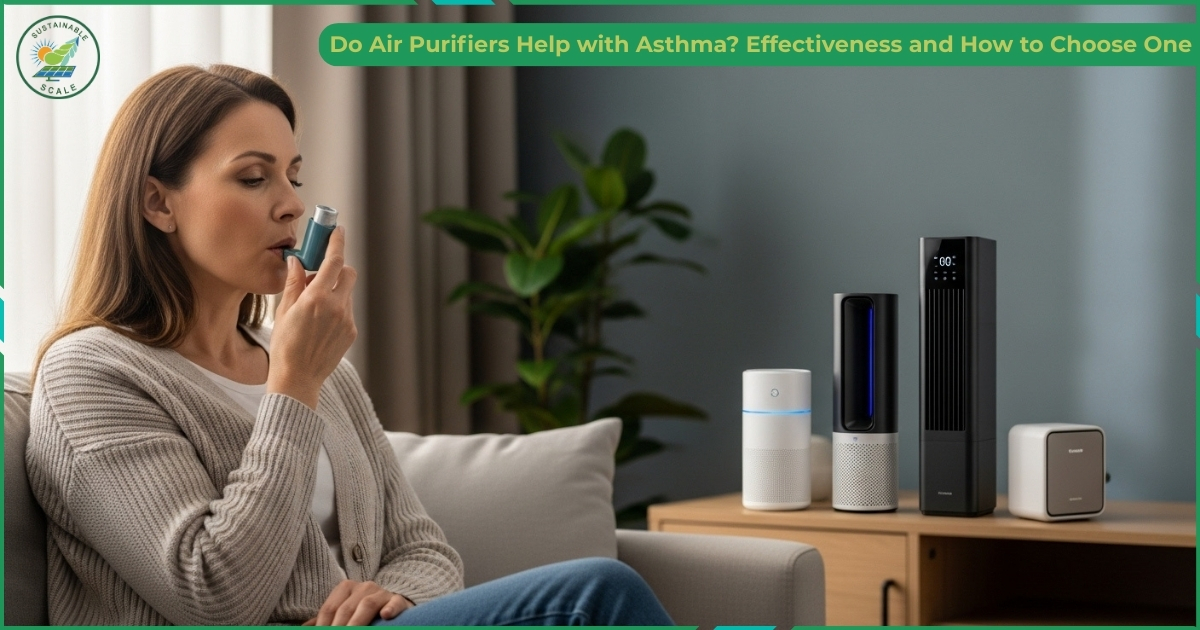
Yes, air purifiers help with asthma. Air purifiers for asthma improve indoor air quality by removing allergens and irritants such as dust, pollen, pet dander and mold spores. They use True HEPA filters to trap fine particles and activated carbon filters to absorb odors and chemical pollutants. They help reduce flare ups, support easier breathing and maintain a healthier indoor environment.
Air purifiers for asthma are highly effective, especially models with HEPA filters that capture up to 99.97% of particles as small as 0.3 microns. They lower exposure to common triggers like dust, smoke and pollen, which decreases coughing, wheeze and airway irritation. They provide significant support for asthma management when used consistently, but are not a replacement for medication. A good air purifier for asthma includes features like a pre-filter, a HEPA filter, an activated carbon filter, ozone free operation, air quality sensors and easy maintenance with regular filter replacement.
Air purifiers for asthma are found in top models like IQAir HealthPro Plus, Alen BreatheSmart 75i and Blueair Blue Pure 311i Max. They provide cleaner air and effective support for asthma symptom relief.
What is an air purifier?
An air purifier quietly cycles indoor air through advanced filters, which target airborne contaminants to improve indoor air quality. It works by capturing and removing particles such as dust, pollen, pet dander and mold spores, along with gases and odors, from the air. An air purifier helps reduce allergy and asthma triggers by eliminating these invisible irritants and pollutants, minimizes exposure to potential toxins and keeps indoor spaces fresher and healthier. This makes it valuable in homes with pets, high dust levels or poor outdoor air quality, which secures cleaner, safer breathing for all occupants.
How do air purifiers help with asthma?
Air purifiers with HEPA filters help people with asthma by removing airborne allergens and irritants that worsen symptoms. They capture fine particles such as dust, pollen, pet dander and mold spores, which are the common asthma triggers. The HEPA filter traps up to 99.97% of particles as small as 0.3 microns, which reduces particulate matter that inflames the airways. Activated carbon filters also absorb odors and chemical vapors, which improves indoor air quality. Cleaner air means fewer asthma flare ups and easier breathing. An air purifier is a complementary support, not a medical cure. It works best when combined with other asthma management strategies like medication, allergen control and proper ventilation to maintain a healthier living environment.
How effective are air purifiers for asthma?
Air purifiers are effective for asthma because they reduce indoor air pollutants that worsen breathing difficulties. High efficiency particulate air (HEPA) filter devices trap 99.97% of fine particles such as dust, smoke, pollen and pet dander, major airborne triggers of asthma. They help reduce asthma symptoms like coughing, wheezing and airway irritation by lowering particle concentration. Studies show that consistent use of HEPA based purifiers improves air quality and decreases exposure to allergens and irritants. They are particularly effective against particulate pollutants, though less so for gases or humidity related triggers. Air purifiers play a proven supportive role in managing asthma by maintaining cleaner, healthier indoor air environments, while not a standalone treatment.
What features should you look for when choosing an air purifier for asthma?
When choosing an air purifier for asthma, it is important to look for features such as a pre-filter, an HEPA filter, an activated carbon filter, CADR and an air quality sensor. These features maximize the purifier’s ability to reduce common asthma triggers indoors and support better breathing.
11 key features to look for when choosing an air purifier for asthma are outlined below.
- Pre-filter
- HEPA filter
- Activated carbon filter
- Ozone-free operation
- Clean air delivery rate (CADR)
- Room size compatibility
- Air quality sensor
- Asthma and allergy friendly certification
- Noise level
- Energy efficiency
- Maintenance and filter replacement
1. Pre-filter
A pre-filter in air purifiers for asthma is highly effective as the initial layer of defense against airborne irritants. It captures larger particles like dust, pet hair and pollen before they reach the main filter, which reduces the overall particle load and removes much of the bulk that triggers asthma symptoms. The pre-filter protects and prolongs the life of the more expensive HEPA filter by trapping these larger contaminants, which maintains consistent filtration of the finer, dangerous particles that impact asthma. This process helps maintain the air purifier’s overall efficiency and maximizes indoor air cleanliness. It also reduces the need for frequent main filter replacements, which makes the device more cost-effective and efficient in supporting respiratory health.
2. HEPA filter
A HEPA air purifier for asthma is highly effective because it removes at least 99.97% of airborne particulates as small as 0.3 micrometers, which include common asthma triggers such as dust, pollen, mold spores and pet dander. An air purifier with a true HEPA filter reduces allergens and irritants that worsen asthma symptoms by trapping microscopic particles suspended in the air. A HEPA filter for asthma captures airborne particles, but it does not eliminate gases or chemicals because it is designed specifically for particulate filtration. HEPA filtration works best when combined with other technologies for broader protection such as activated carbon filters, which target odors and volatile organic compounds. This combination creates a comprehensive approach that addresses a wider range of asthma triggers, which leads to cleaner air and improved respiratory comfort at home.
3. Activated carbon filter
An activated carbon filter is highly effective in air purifiers for asthma relief because it captures gases, odors and volatile organic compounds (VOCs) that trigger asthma symptoms. These filters use a porous carbon surface to adsorb harmful chemicals and airborne pollutants that HEPA filters alone do not trap. The activated carbon layer targets chemical irritants and household odors while HEPA filters remove fine particles like dust and allergens. HEPA and activated carbon filters provide comprehensive asthma protection by addressing both particulate and gas based triggers when combined, which creates cleaner, more breathable air for individuals with asthma.
4. Ozone-free operation
An air purifier with ozone free operation is essential for asthma, as ozone exposure severely worsens asthma symptoms and irritates the lungs. Ozone is dangerous for people with asthma because it aggravates respiratory issues, causes coughing, chest pain, throat irritation and increases the risk of respiratory infections. Some air purifiers such as ozone generators and ionizers, intentionally or unintentionally produce ozone as part of their air purification technologies, which makes it crucial to avoid these models for safe asthma relief.
5. Clean air delivery rate (CADR)
The clean air delivery rate (CADR) is an essential factor when selecting an air purifier for asthma because it reflects how effectively the device removes airborne pollutants. A higher CADR delivers cleaner air more quickly, which reduces asthma triggers such as dust, pollen and smoke. The air purifier’s right CADR must match the room’s square footage, ideally being at least two-thirds of the room’s area in square feet. Models that are AHAM Verified provide tested assurance of performance, which guarantees the purifier meets industry standards for clean air efficiency and reliability in asthma management.
6. Room size compatibility
Room size compatibility plays a critical role in choosing an air purifier for asthma, as it directly affects effective purification for asthma management. The purifier’s capacity depends on matching the air purifier’s CADR to your room’s square footage. The purifier’s accurate compatibility begins with measuring the room’s length and width to calculate its area, followed by checking the CADR to confirm it covers at least two-thirds of that space. A model designed for the correct room size (small, medium or large) maintains consistent airflow, efficient allergen removal and improved breathing comfort for asthma prone users.
7. Air quality sensor
An air quality sensor is vital for asthma friendly air purifiers because it allows real time monitoring of the presence and concentration of airborne particles such as asthma triggers like pollen, pet dander and dust mites. These sensors automatically adjust fan speed to effectively remove allergens and pollutants, which optimizes purification without manual intervention. Real time feedback allows users to make informed decisions about air quality and promotes consistent relief for asthma by securing a rapid response to increases in indoor pollutants. This intelligent control maximizes asthma protection and air hygiene.
8. Asthma and allergy friendly certification
Asthma and allergy friendly certification is crucial when choosing an air purifier for asthma, as it guarantees rigorous scientific testing for real world effectiveness and safety, like producing no harmful levels of ozone. Products certified by the Asthma and Allergy Foundation of America (AAFA) and Allergy Standards Limited (ASL) must effectively remove allergens, demonstrate sustained performance, avoid ozone emissions and undergo independent laboratory testing. A certified air purifier is identified by the “Asthma & Allergy Friendly®” mark on its packaging or by confirming its inclusion on the official certified product lists provided by the AAFA and ASL.
9. Noise level
Noise level is an important consideration when choosing an air purifier for asthma, as constant or loud noise disrupts sleep and rest, which are critical for asthma management. Recommended noise levels for asthma friendly air purifiers are below 45 decibels (dB), with some guidelines suggesting 30 dB or less for bedrooms or night use. A quiet air purifier prevents disturbance, supports restful sleep and encourages continuous use for effective allergen removal. You must check manufacturer specifications for low dB ratings and look for features like “quiet” or “sleep” modes to find a quiet model.
10. Energy efficiency
Energy efficiency is important when choosing an air purifier for asthma because a device runs continuously, which impacts energy costs. The most energy-efficient option is certified by Energy Star or verified by AHAM for performance and power use. Air purifier’s evaluation involves checking for specific certifications and features, matching the purifier’s CADR to your room size, comparing wattage levels and reviewing filter quality. Smart features like auto mode or air quality sensors further optimize power consumption. Energy efficient air purifier selection confirms effective asthma relief with lower electricity use and long term cost savings.
11. Maintenance and filter replacement
Considering maintenance and filter replacement is essential when choosing an air purifier for asthma, as regular upkeep secures effective air cleaning. HEPA filters must be replaced every 6 to 12 months for asthma, while activated carbon filters need changing every 3 to 6 months and pre-filters must be cleaned or replaced every 1 to 3 months. Maintenance requirements include capturing 99.9% of particles down to 0.1 microns, which covers up to 500 sq ft.
What are the best air purifiers for asthma?
The best air purifiers for asthma are Coway Airmega AP-1512HH Mighty, Medify MA-25, IQAir HealthPro Plus and Alen BreatheSmart 75i. These are designed to improve indoor air quality by removing airborne allergens, dust and other asthma triggers through advanced filtration technologies without generating harmful ozone.
5 best air purifiers for asthma are given below.
- Coway Airmega AP-1512HH Mighty: Coway Airmega AP-1512HH Mighty uses a True HEPA filter to remove 99.97% of particles of 0.3 microns, produces no ozone, is AAFA certified, covers up to 361 sq ft, ideal for allergens and dust.
- Medify MA-25: Medify MA-25 uses H13 True HEPA filtration to remove 99.9% of particles, operates ozone-free, covers 500 sq ft, designed for smoke, pollen and pet dander.
- IQAir HealthPro Plus: IQAir HealthPro Plus uses HyperHEPA technology to remove up to 99.97% of ultrafine particles, fully ozone free, AAFA certified, covers large rooms, superior for allergen reduction.
- Alen BreatheSmart 75i: Alen BreatheSmart 75i uses an advanced true HEPA filter that removes 99.99% of particles of 0.1 microns, covers 1,400 square feet in 30 minutes, is quiet and ozone free and highly effective for asthma triggers.
- Blueair Blue Pure 311i Max: Blueair Blue Pure 311i Max offers True HEPA performance, operates ozone-free, covers 465 sq ft, removes 99.97% of airborne particles, designed for quick allergen and odor removal with minimal noise.
What is the best air purifier filter for asthma?
The best air purifier filter for asthma is a True HEPA filter because it captures 99.97% of airborne particles as small as 0.3 microns such as major asthma triggers like pollen, dust mites, pet dander and mold spores, which results in cleaner air and reduced symptoms.
Do ozone air purifiers affect asthma?
Yes, ozone air purifiers affect asthma because ozone is a known respiratory irritant that worsens asthma symptoms such as coughing, chest tightness and decreased lung function. Ozone free air purifiers are the safer choice for people with asthma, as ozone exposure inflames the airways and increases vulnerability to respiratory infections.
Are air purifiers worth it for asthma?
Yes, air purifiers are worth it for asthma because a high quality air purifier with a true HEPA filter removes airborne allergens that trigger asthma symptoms. This makes air purifiers a worthwhile investment, especially when combined with other asthma management strategies to improve indoor air quality and reduce symptom flare ups.
What is better for asthma, a humidifier or an air purifier?
An air purifier is better for asthma because it removes airborne triggers like dust and pollen, which directly reduces exposure to common asthma irritants. It does not filter allergens, while a humidifier soothes symptoms caused by dry air and the best relief comes from using both devices in tandem.
What are the best self care practices for asthma?
The best self care practices for asthma are given below.
- Avoid asthma triggers: Identify and minimize exposure to known asthma triggers such as smoke, pollen, dust mites and pet dander to reduce flare-ups.
- Maintain indoor air quality: Use air purifiers, dehumidifiers and keep windows closed during high pollen days to reduce indoor allergens and airborne irritants.
- Clean regularly: Clean bedding, carpets and surfaces to reduce dust, mold and pet dander buildup frequently, which supports better respiratory health.
- Know and use medications properly: Follow the prescribed medication regimen, keep inhalers accessible and understand the correct technique for all inhalers.
- Monitor symptoms and have a plan: Track symptoms, use a peak flow meter if recommended and maintain an updated asthma action plan for quick response to changes.
- Exercise moderately: Engage in regular, suitable physical activity to strengthen lungs, reduce stress and support a healthier lifestyle without overexertion.
- Manage stress: Practice stress reduction techniques like meditation, yoga and balanced sleep to prevent stress induced asthma symptoms.
Can an air purifier make you sick?
Yes, an air purifier can make you sick if it uses ozone technology or is an inferior quality model, since ozone and harmful byproducts cause respiratory irritation and worsen asthma symptoms. High quality air purifiers with a true HEPA filter and no ozone emission are safe and effective for improving indoor air quality.
Can an air purifier help with allergies?
Yes, an air purifier can help with allergies because a HEPA air purifier removes allergens from the air such as pollen, dust mites, pet dander and mold spores. This filtration alleviates allergy symptoms by reducing airborne triggers, which makes a HEPA air purifier for allergies or dust a valuable tool for relief.
How to reduce allergens at home?
The strategies to reduce allergens at home are given below.
- Control dust and dust mites: Use allergen proof covers on bedding, wash linens weekly in hot water and vacuum with a HEPA filter to reduce dust mite exposure.
- Manage mold: Maintain low indoor humidity below 50%, use dehumidifiers, clean mold prone areas regularly and fix leaks to prevent mold growth.
- Reduce pet allergens: Keep pets out of bedrooms, bathe them regularly and clean pet bedding and areas to limit pet dander.
- Minimize pollen: Keep windows closed during high pollen seasons, use air purifiers with HEPA filters and change clothes after outdoor exposure to reduce pollen indoors.
Products
Solar Panel
Air Purifier