4 Types of Solar Batteries: A Complete Guide


- Published Date - November 12, 2026
- Modified date - November 12, 2026
Table of Contents
Solar batteries fall into four types which are lead acid, lithium ion, nickel cadmium and flow batteries. Lead acid batteries are affordable and common in off grid systems but need maintenance and last 3 to 5 years. Lithium ion batteries offer high energy density, fast charging and last 10 to 15 years with little upkeep. Nickel cadmium batteries are durable in extreme conditions but store less energy and require safe recycling. Flow batteries suit large systems, last over 20 years and need more space due to low energy density.
4 types of solar batteries are explained below.
- Lead acid batteries: Lead acid solar batteries are the oldest type of rechargeable solar battery. They are affordable and used in off grid systems. Lead acid solar batteries require regular maintenance and have a shorter lifespan 3 to 5 years.
- Lithium ion batteries: Lithium ion solar batteries store more energy in less space and last longer than most types such as lead acid, nickel cadmium and flow batteries. They are used in home solar systems and electric vehicles. They charge fast, need little maintenance and last 10 to 15 years.
- Nickel cadmium batteries (Ni Cd): Ni Cd solar panel batteries are tough and work well in extreme temperatures. They last longer than lead acid batteries but have lower energy storage and suffer from the memory effect. Ni Cd is a toxic battery and needs a safe recycling process.
- Flow batteries: Flow panel batteries store energy in liquid tanks and are best for large solar systems. They last over 20 years with more than 10,000 charge cycles. Flow panel batteries are safe and easy to maintain but cost more and need more space due to low energy density.
1. Lead acid batteries
Lead acid batteries are the common type of solar battery used for energy storage in residential, commercial and automotive systems. These solar batteries belong to the oldest type of rechargeable battery technology. Lead acid battery structure uses lead dioxide as the positive plate, sponge lead as the negative plate and diluted sulfuric acid as the electrolyte. It produces electricity during discharge through a chemical reaction between the plates and the electrolyte.
Lead acid batteries fall into two main types which are flooded lead acid and sealed lead acid also called VRLA. Flooded lead acid batteries need regular maintenance. Users check electrolyte levels and clean terminals. Sealed lead acid batteries provide a maintenance free design. Cycle life ranges from 500 to 1,000 cycles, based on usage and depth of discharge. Lifespan under standard conditions is 3 to 5 years. Lead acid batteries stay cost effective compared to newer technologies and suit budget sensitive applications.
What are the pros of lead acid batteries?
The pros of lead acid batteries are given below.
- Cost effectiveness: Lead acid batteries provide strong cost effectiveness, which offers one of the lowest upfront costs per unit of storage.
- Reliability and durability: Lead acid batteries have proven reliability and durability, with consistent performance.
- Strong power output: Lead acid batteries deliver strong power output, which allows lead acid batteries to handle high electrical demands when needed.
- Recyclability: Lead acid batteries have well established recycling programs, which help recover valuable materials and reduce waste effectively.
- Low self discharge: Lead acid batteries maintain low self discharge, which allows them to stay ready for use after long periods without charging.
What are the cons of lead acid batteries?
The cons of lead acid batteries are given below.
- Weight and size: Lead acid batteries have high weight and large size, which makes them hard to move, install or use in small or mobile setups.
- Limited cycle life: Lead acid batteries have limited cycle life, which lasts 300 to 1,000 charge cycles before needing frequent replacement.
- Maintenance: Lead acid batteries require routine maintenance, which includes electrolyte checks and terminal cleaning to ensure safe operation.
- Charging limitations: Lead acid batteries face charging limitations, as they charge slowly and do not support fast charging for urgent power needs.
- Environmental and health concerns: Lead acid batteries contain toxic materials and improper disposal pollute the environment and harm human health.
2. Lithium ion batteries
Lithium ion batteries are rechargeable batteries that store and deliver energy through the movement of lithium ions between two electrodes. They charge when ions move to the negative electrode and hold energy for later use. Lithium ion batteries discharge when ions return to the positive electrode and release stored power. They support deep discharges up to 80% without panel damage.
Lithium ion batteries save money over time because they last longer and work efficiently. They need little maintenance and do not require fluid checks or part replacements. Lithium ion batteries last between 7 to 15 years under normal conditions. They are used in solar storage, electric vehicles, mobile electronics and backup power systems.
What are the pros of lithium ion batteries?
The pros of lithium ion batteries are outlined below.
- High energy density: Lithium ion batteries offer high energy density and store 150 to 250 watt hours per kilogram, 3 to 5 times more than lead acid batteries.
- Long cycle life: Lithium ion batteries provide a long cycle life, lasting between 1,000 and 5,000 cycles, higher than the 200 to 500 range of lead acid batteries.
- Fast charging: Lithium ion batteries support fast charging, which reduces charge time and works more efficiently than slower lead acid battery charging.
- Low self discharge rate: Lithium ion batteries show a low self discharge rate, that loses less than 5% of their charge per month, lower than most other battery types.
- Reduced maintenance: Lithium ion batteries need reduced maintenance, with no routine checks or fluid refills required like in lead acid batteries.
- Wide range of applications: Lithium ion batteries serve a wide range of applications, powering smartphones, laptops, EVs and solar systems with high efficiency.
- Constant power output: Lithium ion batteries give constant power output, which hold a stable voltage until the battery is nearly empty.
- Temperature tolerance: Lithium ion batteries provide strong temperature tolerance, operating reliably between −20°C and 60°C.
What are the cons of lithium ion batteries?
The cons of lithium ion batteries are given below.
- Cost increases: Users face higher upfront expenses because the cost increases with lithium ion batteries compared to lead acid ones.
- Safety concerns arise: Devices catch fire or overheat when safety concerns arise from damage, incorrect charging or faulty units.
- Lifespan limits: Battery use is shortened because lifespan limits how long lithium ion batteries hold capacity.
- Transportation rules restrict: Airlines and couriers reject certain shipments when transportation rules restrict the movement of lithium ion batteries.
- Compatibility issues occur: Devices fail to charge properly when compatibility issues occur between lithium ion batteries and older systems.
3. Nickel cadmium (Ni Cd) batteries
Nickel cadmium (Ni Cd) batteries are rechargeable and use chemical reactions between nickel oxide hydroxide and cadmium to store energy. They release electrical energy during use and reverse the reaction to charge again. Nickel cadmium batteries last long and handle over 1,000 charge and discharge cycles.
Nickel cadmium (Ni Cd) batteries offer moderate cost benefits. They perform well in extreme temperatures from 40°F to 140°F and last 10 to 15 years. Nickel cadmium (Ni Cd) batteries cost more due to cadmium content and recycling rules. Nickel cadmium batteries power emergency lights, airplanes, backup systems, cordless tools and solar setups where reliability matters.
What are the pros of nickel cadmium batteries?
The pros of nickel cadmium batteries are given below.
- Operate in extreme conditions: Extreme conditions do not affect how Ni Cd batteries support a temperature range between −20°C and 60°C.
- Deliver high discharge rates: Power tools and devices function well because Ni Cd batteries supply a discharge rate with strong, instant current.
- Support long cycle life: Frequent use becomes possible as Ni Cd batteries offer a long cycle life of 500 to 1,000 full charge cycles.
- Reduce energy costs: Budget conscious systems benefit since Ni Cd batteries reduce energy cost by 30% to 50% per kilowatt hour.
- Hold voltage under load: Power demanding equipment runs steadily because Ni Cd batteries hold voltage stability during heavy use.
What are the cons of nickel cadmium batteries?
The cons of nickel cadmium batteries are given below.
- Environmental risks: Improper disposal of cadmium creates environmental risks for soil and water without proper recycling.
- Memory effect: Repeated partial charging causes a memory effect, which leads to reduced battery capacity over time.
- Lower energy density: Limited energy per weight adds size and weight, which makes battery packs bulkier than lithium ion.
- High self discharge: Inactive storage leads to high self discharge, with charge loss reaching up to 10% per day.
- Shorter lifespan: Fewer years of usage cause a shorter lifespan, which requires earlier replacement than lithium ion batteries.
- Increase cost: Higher pricing increases cost, placing Ni Cd batteries above lead acid but below lithium ion models.
- Limited temperature range: Operation outside safe limits exposes the limited temperature range, which lowers performance in extreme climates.
4. Flow batteries
Flow batteries are rechargeable batteries that store energy using two liquid electrolytes kept in separate external tanks. The system pumps these liquids through a central cell, where chemical reactions at the electrodes generate or release electrical power. Electrolyte circulation enables charge and discharge without mixing active materials, which reduces wear and prevents performance loss. Flow batteries last over 10,000 cycles with very little loss in efficiency.
Flow batteries improve cost effectiveness at scale because increasing storage capacity requires larger electrolyte tanks. They show low degradation since the chemical components stay separate. Flow batteries support applications like solar and wind energy storage, backup systems and grid balancing. They offer strong safety, using non flammable electrolytes and posing little risk of thermal runaway, which makes them ideal for large, fixed installations.
What are the pros of flow batteries?
The pros of flow batteries are given below.
- Increase energy storage: Flow batteries upgrade energy storage by expanding the electrolyte tank size.
- Longevity and durability: Flow batteries offer long cycle life, which delivers over 10,000 cycles with consistent performance and no major capacity loss.
- Ensure safety: Water based, non flammable electrolytes reduce fire risk and ensure safety than many other battery types.
- Longer duration: Extended power supply supports long energy use and suits applications with long duration needs.
- Low maintenance: Lifetime value improves through low maintenance and easy electrolyte replacement, despite higher upfront cost.
What are the cons of flow batteries?
The cons of flow batteries are given below.
- Increase cost: Flow batteries increase cost, as high upfront expenses limit their use in small scale or budget sensitive projects.
- Reduce energy density: Flow batteries reduce energy density, as lower energy storage per unit requires larger systems to deliver the same output.
- Cause electrolyte crossover: Flow batteries cause electrolyte crossover, as internal liquid mixing lowers performance and leads to extra maintenance.
- Limit material availability: Flow batteries limit material availability, since the use of rare elements like vanadium raises cost and creates long term supply concerns.
- Show temperature limitations: Flow batteries show temperature limitations because efficiency and safety drop when operated outside their moderate temperature range.
- Lower cycle energy efficiency: Flow batteries have lower cycle energy efficiency, as greater energy loss during charge and discharge reduces total usable output compared to other batteries.
What is the best solar battery type for you?
Lithium ion batteries are the most suitable solar battery type for home use. They are the top choice for home solar systems due to deep discharge, daily cycling and long lifespan. Lithium ion batteries deliver high energy density, which allows them to store more energy in less space. They require minimal maintenance, offer a lifespan of 7 to 15 years and provide stable, efficient power across 1000 cycles.
Compared to lead acid batteries, lithium ion batteries deliver higher efficiency, longer service life and no need for water checks or frequent maintenance. Compared to nickel cadmium batteries, lithium ion batteries are lighter, offer greater energy density and are safer for use in homes. While flow batteries suit large, stationary systems, they fall short in home settings due to their larger size, higher cost and lower energy density.
For daily home energy use, fast charging and long term reliability, lithium ion batteries offer the best performance across all four battery types.
What is the longest lasting solar battery type?
Flow batteries are the longest lasting solar battery type. Flow batteries last 20 years and over 10,000 deep charge cycles. Lead acid batteries last only 3 to 5 years. Nickel cadmium batteries last 5 to 15 years, which depends on use and maintenance. Lithium ion batteries last 5 to 15 years, with a limit of about 5,000 cycles. Flow batteries outlast the other three types because their liquid system reduces wear and allows for deep cycle use without major loss of performance.
What type of battery requires the most maintenance?
Lead acid batteries require the most maintenance of solar battery types. Lead acid solar batteries need regular checks of electrolyte levels, cleaning of terminals and careful charging to avoid damage. Flooded lead acid solar batteries require adding distilled water to maintain proper electrolyte balance. Lack of maintenance reduces battery life and lowers performance. Proper solar battery maintenance involves routine inspection and cleaning of corrosion from terminals.
What are the best lithium ion batteries for solar?
The 3 best lithium ion batteries for solar are given below.
- Tesla Powerwall 3: Tesla Powerwall 3 lithium ion solar battery offers 13.5 kWh capacity, high efficiency (97.5%) and a 10 year warranty. This makes it reliable for home solar energy storage.
- Enphase IQ Battery 5P: Enphase IQ Battery 5P lithium ion solar battery uses LiFePO4 cells for better safety, modular expansion and a 15 year warranty, fitting homes that value smart upgrades.
- FranklinWH aPower 2: FranklinWH aPower 2 lithium ion solar battery provides 15 kWh capacity, robust output and a 15 year warranty.
What are lithium iron phosphate (LFP) solar batteries?
Lithium iron phosphate (LFP) solar batteries are a type of lithium ion battery that use lithium iron phosphate for the positive electrode. LiFePO4 batteries feature stable chemistry that resists overheating, so they provide better safety than other lithium ion batteries. LFP batteries perform well with long cycle life, 4,000 to 6,000 cycles or about 10 to 15 years. These batteries offer reliable power output and consistent performance during frequent charge and discharge cycles. LFP batteries cost 10% to 30% more than lithium ion batteries. Their longer lifespan and low maintenance help reduce total battery costs over time.
What are saltwater solar batteries?
Saltwater solar batteries are sodium ion batteries that use saltwater electrolyte to store and release energy. Saltwater batteries give power output, cost less than advanced lithium options and avoid toxic metals like lead, cadmium, cobalt and nickel. These solar batteries are safe with no fire risk, offer strong sustainability and last for about 3,000 to 5,000 cycles.
Which is better, an AC-coupled or DC-coupled solar battery?
DC coupled solar batteries are better than AC coupled batteries. They connect directly to solar panels and improve efficiency by reducing energy conversions. DC coupled solar batteries lower costs because they use fewer components. AC coupled batteries offer retrofit flexibility but lose efficiency due to extra conversions and cost more, which makes DC coupled batteries the smarter choice for higher efficiency and lower expenses.
Can you use solar panels without battery storage?
Yes, you can use solar panels without battery storage. Grid tied systems send excess electricity back to the grid when solar production exceeds home use. They draw power from the grid when solar energy is insufficient. This setup eliminates the need for batteries by relying on the utility grid for electricity balance.
Are solar batteries worth the cost?
Yes, solar batteries are worth the cost. Solar batteries store excess energy for use during outages or nighttime, which increases energy savings and independence. Solar batteries offer long term benefits and reduce utility bills, which makes them a valuable investment for reliable home power despite their high upfront cost.
Products
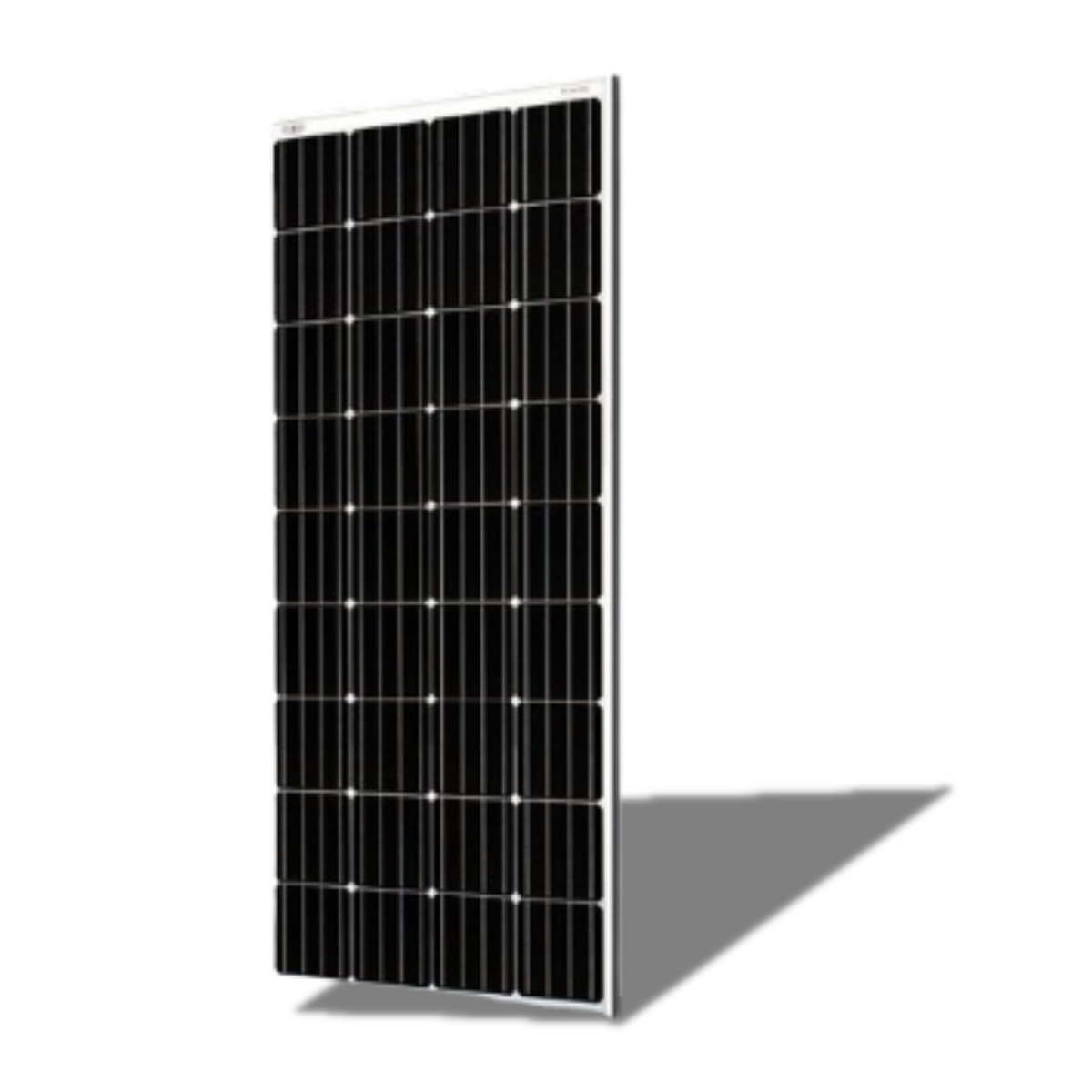
Solar Panel
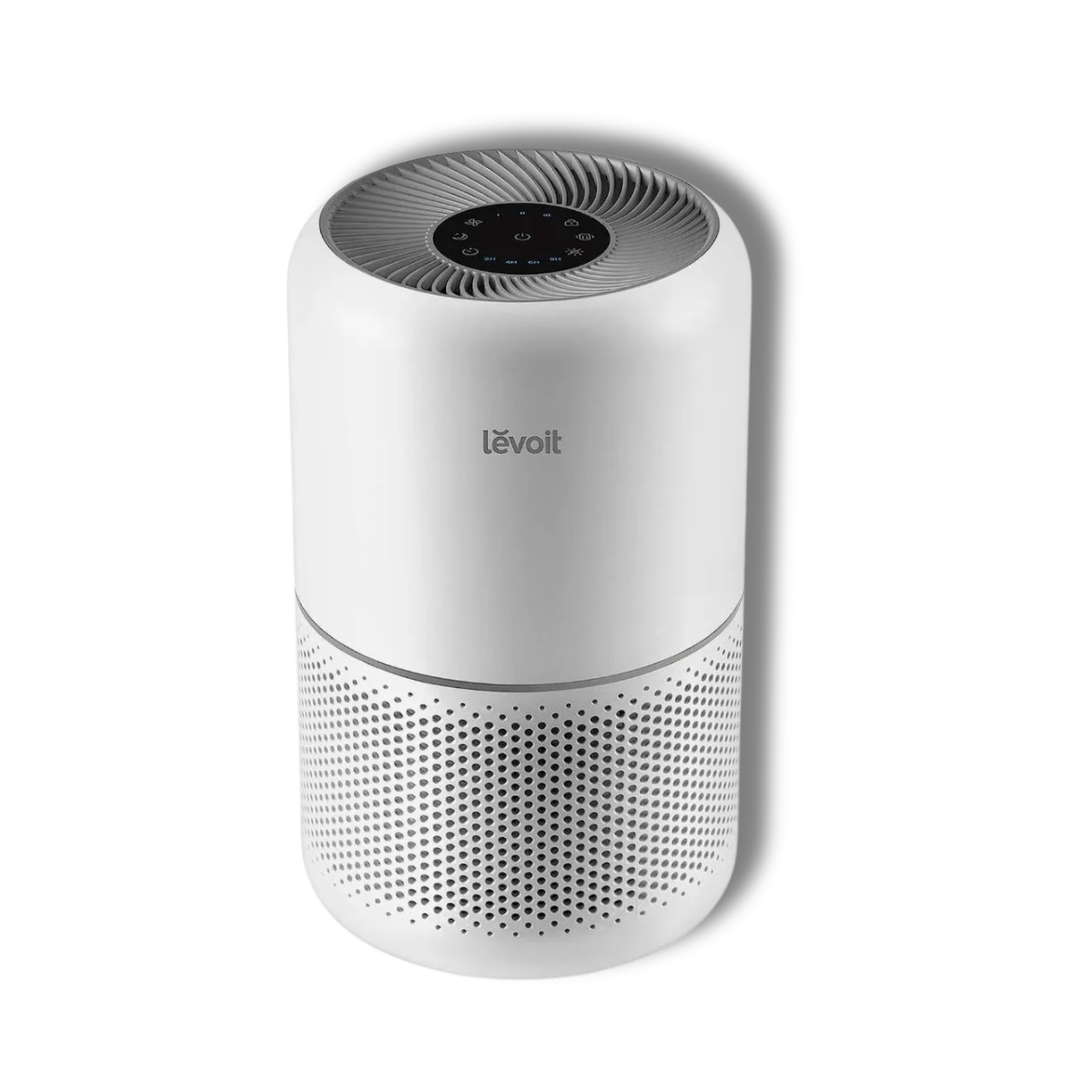
Air Purifier