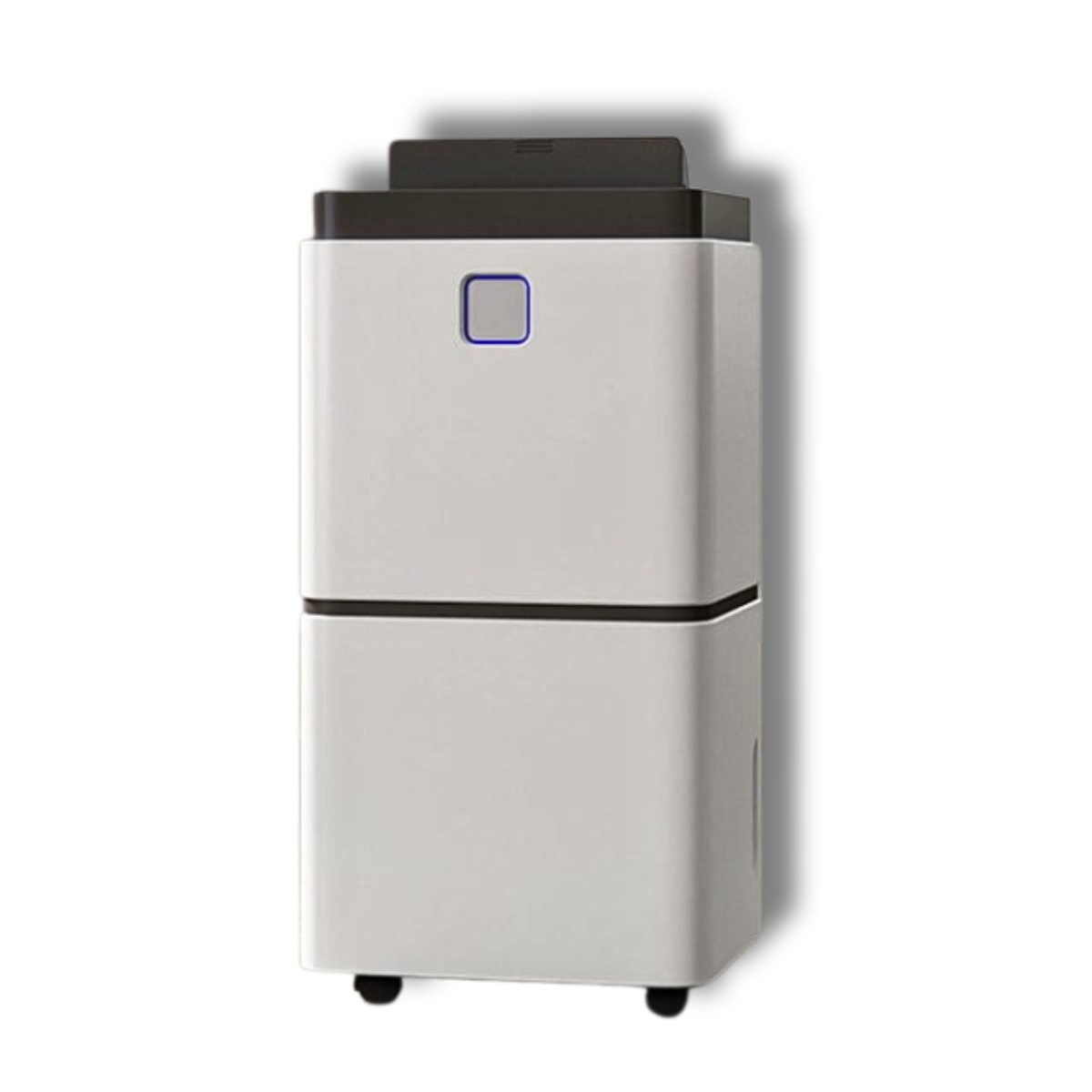
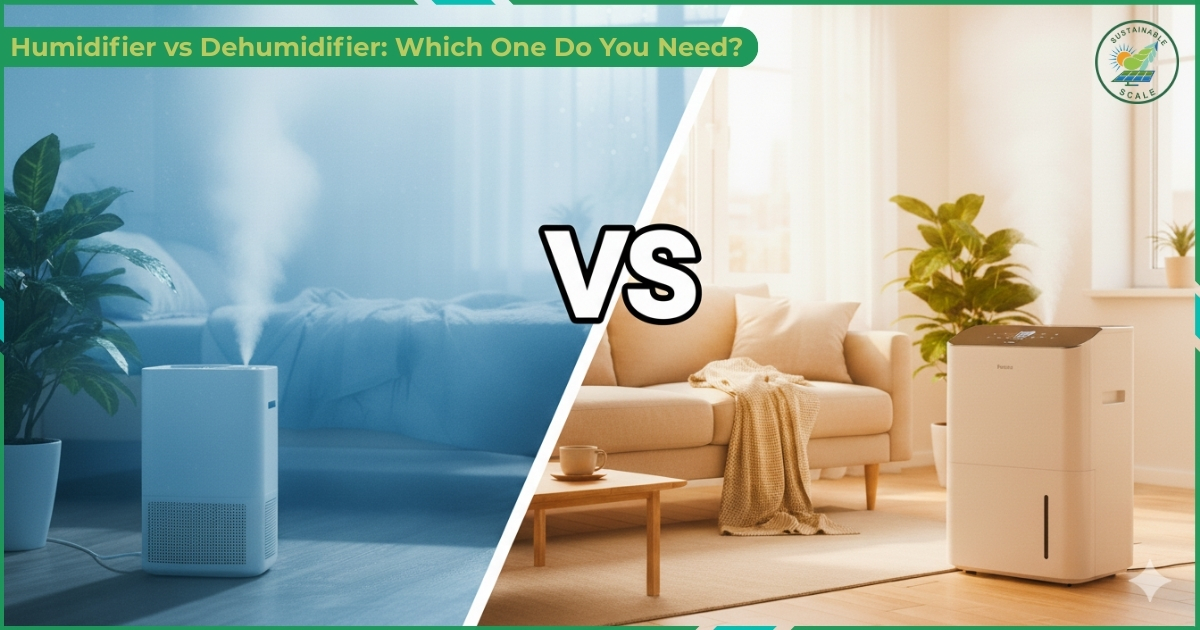
Humidifier vs Dehumidifier: Which One Do You Need?

- Published Date - November 11, 2026
- Modified date - November 11, 2026
Table of Contents
Humidifiers increase indoor moisture to relieve dryness, improving skin, breathing, and sleep. Dehumidifiers reduce excess moisture to fight mold and allergens, which protects furniture and improves air quality. Humidifiers work with mist or steam and dehumidifiers use cooling or absorption to remove water. Humidifiers suit dry climates and winter months, while dehumidifiers fit humid climates and summer. Humidifiers relieve dry skin and congestion, while dehumidifiers prevent mold and odors. Mixing both wastes energy, so choose based on home humidity and health needs to maintain comfort and air balance.
The table definition presents a clear comparison between a humidifier and a dehumidifier. It highlights their purpose, working mechanism, types, health benefits and common issues. The table clarifies the difference between humidification and dehumidification. It helps users understand when to use each device based on indoor humidity needs and health considerations.
The difference between a humidifier and a dehumidifier is given in the table below.
Aspect | Humidifier | Dehumidifier |
Purpose | Increases indoor humidity in dry conditions. | Decreases indoor humidity in damp conditions. |
How it works | Emits water vapor or mist into the air. | Pulls in air, condenses water and expels drier air. |
Types | Ultrasonic, evaporative and steam vapor types. | Compressor, desiccant, thermo electric types. |
Health benefits | Relieves congestion, prevents dry skin, nosebleeds and improves sleep quality. | Reduces allergens, prevents mold growth and improves respiratory comfort. |
Common issues | Risk of excess humidity, bacteria growth if not cleaned and mineral buildup. | Noise, water drainage needed, dry air too much and energy use. |
What is a humidifier?
A humidifier is a device that increases the moisture content in the air to relieve discomfort from dry conditions. It improves breathing, soothes dry skin, supports better sleep and reduces irritation in the airways. A humidifier works by releasing water vapor or steam and creates a more comfortable and healthy indoor environment. It reduces static electricity, protects wooden furniture, operates quietly and requires regular cleaning.
What is the purpose of a humidifier?
The purpose of a Humidifier is to increase the moisture in the air and help people breathe easier in dry environments. It reduces dry skin, throat irritation and lowers static electricity in the home. A humidifier reduces virus spread in some cases and supports plant health by maintaining proper humidity. It improves comfort and overall wellness, provides relief from dryness and protects belongings from damage.
What are the types of humidifiers?
The types of humidifiers are ultrasonic, evaporative, steam and central humidifiers. Humidifiers add moisture to the air to relieve dryness and improve comfort. They deliver cool mist or warm steam using different technologies.
4 types of humidifiers are outlined below.
- Ultrasonic humidifiers: Ultrasonic humidifiers produce cool mist using vibrating ultrasonic plates that create fine water droplets quickly.
- Evaporative humidifiers: Evaporative humidifiers use a wick filter to absorb water and adjust output based on room humidity.
- Steam humidifiers: Steam humidifiers heat water to create steam that cools before release, providing warm mist and killing bacteria through boiling.
- Central humidifiers: Central humidifiers connect directly to home heating and cooling systems and humidify entire houses evenly.
How does a humidifier work?
A humidifier stores water in a tank and releases moisture into the air. It raises humidity levels to improve air comfort. An ultrasonic humidifier uses vibrations to produce a fine mist and operates quietly and efficiently. An evaporative humidifier moves air through a wet wick to add moisture and adjusts output based on room humidity. A steam humidifier boils water and sends warm steam into the space while killing bacteria in the process. Each type increases humidity levels by adding moisture to the air in a unique way designed for different needs.
What are the health benefits of humidifiers?
The health benefits of humidifiers are given below.
- Skin and hair: Humidifiers keep skin and hair moisturized, which stops dryness and prevents itchiness.
- Allergies and asthma: Humidifiers help allergies and asthma by maintaining proper moisture that eases breathing and reduces airway irritation.
- Flu and cold prevention: Humidifiers support flu and cold prevention by keeping nasal passages moist and reducing airborne virus survival.
- Improved sleep: Humidifiers improve sleep by ensuring smoother breathing and providing comfort throughout the night.
What are the common issues with humidifiers?
The common issues with humidifiers are given below.
- Leaks: Humidifiers have leaks that cause water damage, increase moisture indoors and promote mold growth in hidden areas.
- Clogs and mineral buildup: Humidifiers clog with mineral buildup that reduces efficiency, blocks water flow and lowers overall mist output quality.
- Microbial growth: Microbial growth within tanks often triggers allergies and asthma, especially in poorly cleaned humidifiers.
- Power or control issues: Power faults keep humidifiers from starting or cause unexpected shutdowns, interrupting the operation cycle.
- Reduced mist output: Reduced mist output limits air moisture and prevents the unit from providing comfort during dry weather.
- Overuse and excessive humidity: Overuse raises humidity well above healthy limits and promotes mold growth inside the home environment.
- Unpleasant odors: Unpleasant odors from stagnant water fill rooms and point to dirty tanks or filters needing immediate cleaning.
What is a dehumidifier?
A dehumidifier is a device that removes moisture from indoor air to maintain healthy and comfortable humidity levels. It turns water vapor into liquid by condensing it inside a tank. A dehumidifier makes rooms feel less damp and keeps the air fresher. It improves comfort and protects furniture from mold or damage caused by excess humidity. A dehumidifier operates quietly and suits homes, offices and basements. It offers relief from allergies and creates a healthier indoor environment.
What is the purpose of a dehumidifier?
The purpose of a dehumidifier is to remove excess moisture from the air to create a healthier indoor environment and keep the air dry and comfortable. It controls humidity to stop mold and mildew growth and banishes musty odors so rooms stay fresh. A dehumidifier protects furniture, electronics and clothes from dampness. It improves air quality by lowering allergens and dust mites. Dehumidifiers boost HVAC efficiency so cooling systems run better.
What are the types of dehumidifiers?
The types of dehumidifiers are refrigerant dehumidifiers, desiccant dehumidifiers and whole house dehumidifiers. Each type is designed for specific spaces and needs.
3 types of dehumidifiers are outlined below.
- Refrigerant dehumidifiers: Refrigerant dehumidifiers cool air to condense moisture and remove it. They perform well in warm, humid spaces and are suitable for home or small commercial use.
- Desiccant dehumidifiers: Desiccant dehumidifiers use moisture absorbing materials to dry air. They perform better in cooler or low humidity conditions and remain lightweight and portable.
- Whole house dehumidifiers: Whole house dehumidifiers integrate into the HVAC system for centralized moisture control. They work efficiently throughout an entire building but require professional installation.
How does a dehumidifier work?
A dehumidifier works by extracting moisture from the air to reduce humidity in a space. It pulls warm air inside and cools it using a refrigerant, causing water to condense and collect. Refrigerant dehumidifiers use a refrigeration or condensation cooling method that removes heavy moisture in warm environments. Desiccant dehumidifiers absorb moisture using a drying material and target lower temperatures and tight spaces. Dehumidifier operation improves comfort and prevents mold growth by keeping the air dry. People rely on different types, which depend on room size and climate conditions.
What are the health benefits of dehumidifiers?
The health benefits of dehumidifiers are given below.
- Improved respiratory health: Dehumidifiers improve respiratory health by reducing irritation through controlling moisture and airborne allergens. It lowers asthma attacks and eases breathing difficulties.
- Reduced mold and mildew growth: Dehumidifiers decrease mold and mildew growth that triggers allergies and respiratory problems. Mold presence worsens indoor air quality and causes discomfort.
- Control of dust mites: Dust mites decline with reduced humidity. They trigger allergic reactions and asthma symptoms in sensitive individuals.
- Better skin health: Better skin health results from lowered moisture levels. Excess dampness causes dryness and skin irritation.
- Relief from allergies and asthma: Dehumidifiers ease allergies and asthma by reducing irritant particles. Allergy sufferers experience fewer symptoms indoors.
- Reduced odors: Dehumidifiers reduce odors caused by dampness and mold. Odor removal improves overall comfort and freshness at home.
- Prevention of rust: Rust prevention protects household items and reduces exposure to oxidized materials. Rust risks damage and indoor contamination.
- Improved sleep: Improved sleep happens through drier, fresher air quality. Sleep patterns benefit from a comfortable environment.
- Potential for increased home value: Dehumidifiers raise home value by maintaining good air quality and structural health. Buyers prefer well maintained spaces.
What are the common issues with dehumidifiers?
The common issues with dehumidifiers are given below.
- Inadequate moisture removal: Inadequate moisture removal happens when the unit loses efficiency, leaves air damp and causes musty odors indoors.
- Water leaks: Water leaks damage floors, increase mold growth and create safety risks if moisture reaches electrical components.
- Excessive noise: Excessive noise disrupts comfort, makes indoor spaces unpleasant and indicates mechanical issues or poor maintenance.
- Electrical malfunctions: Electrical malfunctions stop operation, raise fire hazards and cause increased energy consumption due to faulty components.
How to know if you need a humidifier or a dehumidifier?
To know if you need a humidifier or a dehumidifier, observe the signs in your indoor environment. A humidifier helps when the air feels too dry and irritates your skin, throat and eyes. It helps when windows collect condensation, mold begins to grow or allergy symptoms get worse.
The signs you need a humidifier are given below.
- Skin feels dry and itchy indoors, which makes you uncomfortable and reduces your ability to relax properly.
- Chapped lips occur very often, causing irritation, discomfort and pain while eating, speaking or smiling.
- Nosebleeds happen more frequently than usual, showing the air is too dry for comfort.
- Eyes feel irritated, scratchy and uncomfortable indoors, which makes reading, working or relaxing very difficult.
- Wooden furniture or floors start to crack and weaken quickly, which proves the air lacks proper moisture.
The signs you need a dehumidifier are given below.
- Mold spots appear clearly on walls or ceilings, damaging the surface and creating harmful indoor conditions.
- Musty odors develop strongly in rooms, leaving your space unpleasant and unhealthy for daily living.
- Water stains show visibly on walls or floors, ruining surfaces and signaling excessive indoor dampness.
- Windows collect noticeable moisture inside, which makes the air heavy, uncomfortable and damaging to window structures.
- Allergy symptoms increase indoors with damp conditions, affecting breathing, comfort and overall health severely.
Should you use a humidifier or a dehumidifier in summer?
You should use a dehumidifier in summer, because it removes excess moisture from the air. It helps the air feel cooler during hot, muggy weather. A humidifier adds moisture, which makes summer air feel heavier. It causes discomfort by raising the humidity level indoors.
Should you use a humidifier or a dehumidifier in winter?
You should use a humidifier in winter, because the air turns dry during the winter months and causes discomfort. It adds moisture and helps prevent dry skin, sore throats and irritated eyes. A humidifier protects wood floors, furniture and instruments from cracking and improves sleep by keeping nasal passages moist.
Do I need a humidifier or a dehumidifier for a stuffy nose?
You need a humidifier for a stuffy nose because it adds moisture to the air and helps loosen mucus. It makes breathing easier and reduces congestion. A humidifier keeps nasal passages moist to speed recovery and brings comfort during colds or allergies.
Should I use a humidifier or a dehumidifier for allergies?
You should use a dehumidifier for allergies, because dehumidifiers help with allergies by lowering the moisture that feeds mold and dust mites. It reduces triggers that worsen symptoms. A dehumidifier keeps the air drier and healthier, which makes your home comfortable.
Should I use a humidifier or a dehumidifier for mold?
You should use a dehumidifier for mold because high humidity worsens mold growth and damages your home. It prevents worsening mold growth by maintaining balanced humidity. It lowers moisture levels and supports mold prevention. A dehumidifier keeps walls, furniture and fabrics safe and creates a healthier indoor environment.
Does a humidifier or dehumidifier help with smell?
A dehumidifier helps get rid of smells because it lowers the dampness that causes unwanted smells. It works to eliminate musty odors in basements, bathrooms and other humid rooms. A dehumidifier keeps fabrics, carpets and walls fresh and improves overall air quality indoors.
Is it better to sleep with a humidifier or a dehumidifier?
A dehumidifier works better for sleeping than a humidifier because it removes excess moisture and keeps the humidity between 30 and 50 percent. You avoid problems caused by high humidity, like mold and discomfort. Using a dehumidifier while sleeping improves air quality and promotes restful sleep.
Can I use a humidifier and a dehumidifier at the same time?
No, you can not use a humidifier and a dehumidifier at the same time, because they work against each other and waste energy. It causes increased energy consumption without keeping a steady humidity level. A humidifier raises moisture levels while a dehumidifier lowers them, so both cancel out the benefits.
Products
Solar Panel
Air Purifier