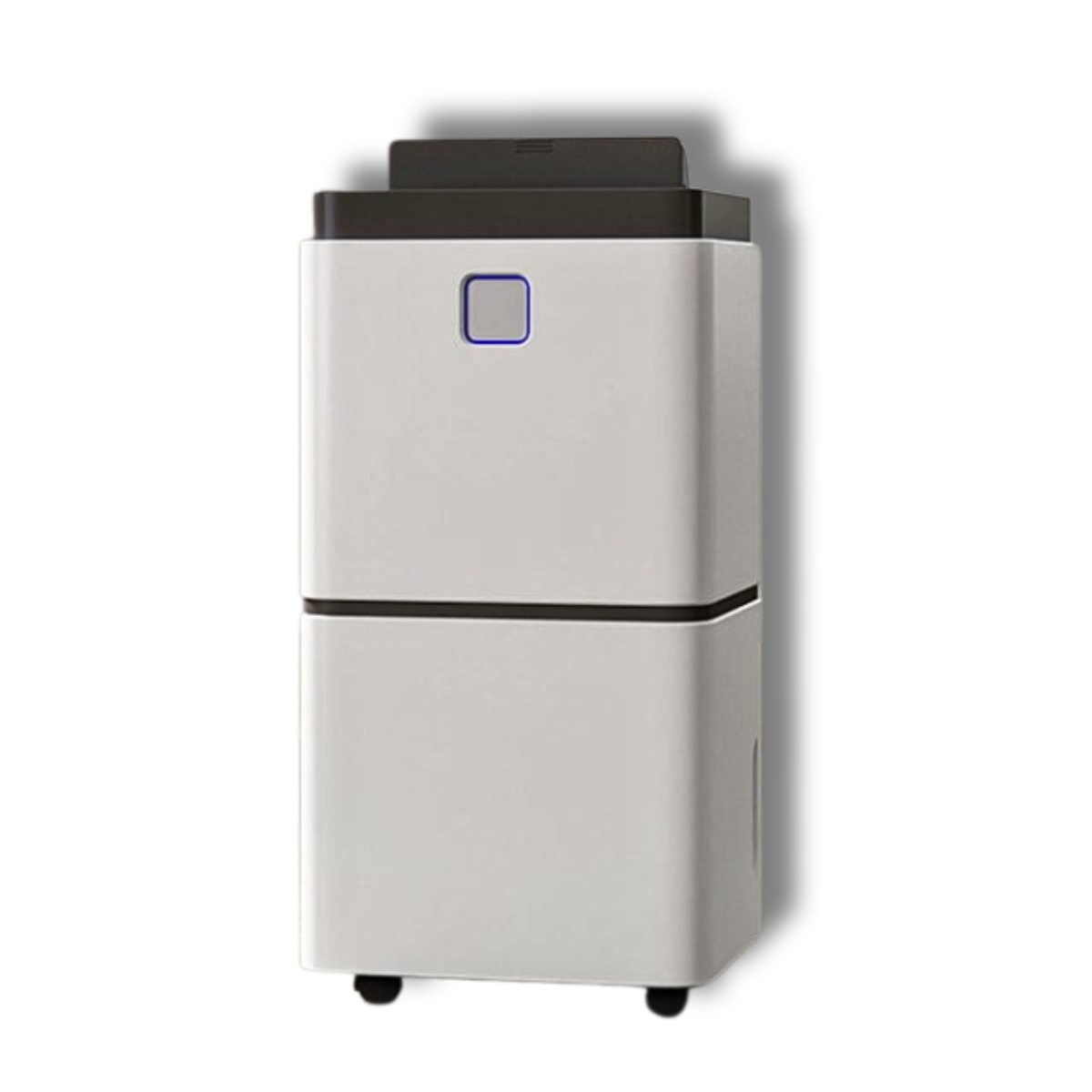


Maintain a dehumidifier by following the manufacturer’s instructions, placing the unit properly, adjusting humidity settings correctly and cleaning important components regularly. A dehumidifier works more efficiently when it is placed on a stable surface with proper airflow clearance and balanced humidity levels between 30 to 50% RH. It also requires regular filter cleaning, water reservoir maintenance, coil inspection and drainage testing to prevent airflow restrictions, mold buildup and reduced moisture removal. A dehumidifier should be unplugged before maintenance to improve safety and protect internal components during cleaning.
You should maintain a dehumidifier regularly to improve moisture removal, reduce unnecessary energy use and support healthier indoor air conditions. It also helps extend the unit’s lifespan by reducing strain on internal parts and lowering the risk of leaks, mold growth and drainage problems. A dehumidifier usually needs maintenance at least once a month, while filters often require cleaning every 1 to 2 weeks in dusty or high use environments. It also requires performing seasonal maintenance before high humidity periods and before storage during low use seasons to maintain performance and prevent dust buildup.
Dehumidifier maintenance requires tools like a vacuum with a brush, soft cleaning cloths, mild soap, white vinegar solution, a soft cleaning brush, screwdriver kit, drain line cleaner, protective gloves and a dust protection mask. Dehumidifier needs maintenance when it shows signs such as reduced moisture removal, constant running, water leaks, musty odors, frost buildup, unusual noises, dirty filters and weak airflow.
How to maintain a dehumidifier?
Maintain a dehumidifier by checking the manufacturer’s instructions, ensuring ideal placement, adjusting humidity levels, cleaning filters, maintaining the tank, inspecting airflow or testing drainage for proper maintenance and coil protection. It supports efficient performance when the unit is unplugged during maintenance and safe practices are followed.
The tips to maintain a dehumidifier are given below.
- Check the manufacturer’s instructions
- Place your dehumidifier properly
- Adjust the humidity level correctly
- Clean or replace the air filter
- Empty and clean the water reservoir
- Inspect the coils, vents and Airflow
- Test the drainage system and unit performance
Check the manufacturer’s instructions
Check the specific model manual to identify recommended cleaning methods, filter replacement intervals and safety limits before attempting any maintenance. Follow the manufacturer’s manual instructions first to locate component diagrams, approved detergents, and step by step procedures that preserve warranty coverage. Compare maintenance steps across brands and dehumidifier types to note differences in drain options, compressor care and desiccant or refrigerant systems. Keep a maintenance log per the manual’s schedule and stop work if instructions conflict with observed damage or unexpected safety concerns, then contact the manufacturer for clarification.
Place your dehumidifier properly
Place the dehumidifier on a level, stable surface to ensure stability affects safety and prevent vibrations that damage components. Keep the unit away from sunlight and heat sources to preserve efficiency and longevity and avoid placing it near obstructions that block air intake or exhaust. Leave 6 to 12 inches of clearance on all sides to maintain proper airflow and reduce the risk of overheating. Position the dehumidifier where it can drain easily or connect to a drain line to minimize spills and make routine maintenance simpler.
Adjust the humidity level correctly
Set the dehumidifier to maintain 30 to 50% relative humidity (RH) to balance comfort, mold prevention and energy efficiency. Use a separate hygrometer to verify humidity levels and confirm the dehumidifier is operating efficiently, rather than relying only on the unit’s built in sensor. Adjust settings by season, select lower RH in warm, humid months and allow slightly higher RH in cool, dry months to avoid unnecessary over drying and reduce runtime. Monitor room conditions and tweak setpoints based on occupancy and activities to keep performance consistent.
Clean or replace the air filter
Turn off and unplug the dehumidifier before removing the air filter to ensure safety. Inspect the filter and remember that dirty filters reduce airflow and efficiency, so clean or replace them promptly. Wash reusable filters every 2 to 3 weeks during regular use with warm water and mild soap by using a soft brush or toothbrush to remove stubborn dust. Rinse thoroughly and air dry the filter completely before reinstalling to help maintain humidity control and prevent mold growth. Replace nonwashable filters according to the manufacturer’s schedule.
Empty and clean the water reservoir
Empty the water reservoir daily or whenever full to prevent overflow and bacterial growth. Wash the tank weekly or every two weeks during heavy use, with warm water and mild soap to remove deposits and residue. Use soft tools to scrub residue gently and rinse thoroughly to avoid detergent traces. Disinfect occasionally with a vinegar water solution if the manufacturer allows, then rinse again. Air dry the reservoir completely before reinstalling to prevent mold and ensure proper dehumidifier function.
Inspect the coils, vents and airflow
Inspect the coils, vents and airflow every few weeks and at least every three months to ensure the dehumidifier is operating efficiently. Check coils for dust, lint, grime or debris and remove buildup promptly to prevent reduced heat exchange. Vacuum grills and vents with a brush attachment or wipe with a soft cloth to clear blocked vents that directly reduce airflow. Allow coils and cleaned components to dry fully before reassembly to avoid moisture-related damage and ensure safe operation.
Test the drainage system and unit performance
Turn off and unplug the dehumidifier before beginning any maintenance to confirm safety. Inspect the drain system for blockages through checking drain hoses, fittings and the reservoir inlet for kinks or debris that reduce water extraction. Test drainage by pouring water into the reservoir or drain pan and confirming it flows out smoothly through the hose or pump. Verify performance monthly by measuring humidity reduction with a hygrometer and comparing current extraction rates to the manufacturer’s specifications.
Why should you maintain a dehumidifier?
You should maintain a dehumidifier regularly to help it remove moisture effectively and operate efficiently in indoor spaces. It keeps the system running smoothly and helps avoid unnecessary energy use. It supports better indoor air conditions by controlling excess humidity that affects comfort. It helps reduce conditions that favor dust mites by maintaining balanced moisture levels in the environment. It extends the unit’s lifespan by reducing internal strain and supporting long term performance. It helps reduce conditions that support mold and mildew growth in damp environments. It also requires regular checking of the drainage system to prevent leaks and water related issues inside the unit.
The image below shows the key benefits of regular maintenance of your dehumidifier.
How often should you maintain a dehumidifier?
You should maintain a dehumidifier at least once a month to keep it working properly and efficiently. It depends on usage level, indoor humidity and dust conditions which can increase or reduce maintenance frequency. It requires emptying the water tank whenever the full tank light appears to prevent overflow. It needs checking for mold in the tank daily or weekly to maintain hygiene. This includes cleaning air filters every 1 to 2 weeks in dusty or high use areas for proper airflow. A dehumidifier maintenance involves inspecting coils, vents and airflow monthly or seasonally to maintain performance. It should include an odd noise inspection to detect early issues and clean the drain line to prevent blockages.
What are the essential tools for dehumidifier maintenance?
The essential tools for dehumidifier maintenance are a vacuum with a brush attachment, soft cleaning cloths, mild soap or detergent, white vinegar solution, soft cleaning brush, screwdriver kit, drain line cleaner and Water catch basin. These help with regular cleaning, removing dust and residue, while using proper cleaning solutions to keep the unit efficient and well maintained.
The essential tools for dehumidifier maintenance are given below.
- Vacuum with a brush attachment: Vacuum with a brush attachment helps remove dust and debris from vents, filters and coils. It improves airflow and keeps the dehumidifier operating efficiently during regularly cleaning routines.
- Soft cleaning cloths: Soft cleaning cloths help wipe moisture, dirt and residue from exterior and internal surfaces without scratching delicate parts. They also support safer use with cleaning solutions.
- Mild soap or detergent: Mild soap or detergent helps clean removable filters, water tanks and exterior surfaces without damaging sensitive components. It removes grime and reduces odor buildup during maintenance.
- White vinegar solution: White vinegar solution helps dissolve mold, mildew and mineral buildup inside water reservoirs and drain lines. It also works as a natural cleaning solution for odor control.
- Soft cleaning brush: Soft cleaning brush helps loosen dirt and dust from coils, grilles and tight corners without damaging components. It works well as a coil cleaning supply for delicate surfaces.
- Screwdriver kit: The screwdriver kit helps open access panels and remove filters or covers during deep cleaning and maintenance. It also makes inspecting internal components easier and safer.
- Drain line cleaner: Drain line cleaner helps clear clogs, slime and residue from continuous drainage hoses and outlets. It supports proper water flow and reduces leakage or overflow problems.
- Compressed air duster: Compressed air duster helps remove fine dust from coils, fan blades and electrical areas that are difficult to reach manually. It also improves airflow and cooling efficiency.
- Water catch basin: A water catch basin helps collect excess water during cleaning, draining or maintenance tasks. It reduces spills and keeps surrounding floors and surfaces dry and protected.
- Protective gloves: Protective gloves help shield hands from dirt, mold, moisture and harsh cleaning solutions during maintenance. They also improve grip and safety while handling components.
- Dust protection mask: A dust protection mask helps reduce exposure to airborne dust, mold spores and allergens released during cleaning. It improves safety when maintaining dirty or long unused dehumidifiers.
What seasonal maintenance does a dehumidifier need?
Seasonal maintenance of a dehumidifier includes cleaning or replacing the air filter, wiping the coils and checking the water tank and drainage system to ensure the unit is ready for periods of higher use. It helps maintain efficiency by keeping airflow clear and preventing dust buildup that can affect performance. It also supports longer unit lifespan by reducing strain on internal components. Seasonal maintenance is especially useful before high humidity periods when the dehumidifier is used more frequently. It may also include thorough cleaning and proper drying of the unit before storage during low use periods.
What are the signs that your dehumidifier needs maintenance?
The signs that your dehumidifier needs maintenance are reduced moisture removal, constant running, water leaks, musty odor, frost on coils, unusual noises, dirty filters and weak airflow. These indicate that the unit is struggling to maintain proper moisture control and performance in indoor spaces.
The signs that indicate your dehumidifier needs maintenance are given below.
- Reduced moisture removal: Reduced moisture removal may indicate dirty coils, clogged filters or internal wear. This problem causes a noticeable drop in efficiency during everyday operation.
- Constant running: Constant running often suggests restricted airflow, incorrect humidity settings, or blocked components. This condition increases power usage and places extra stress on the appliance.
- Water leaks or puddles: Water leaks or puddles commonly result from clogged drain lines, cracked tanks or loose hose connections. These issues also damage nearby flooring and surfaces.
- Musty odor: Musty odor usually develops from mold, mildew or bacterial buildup inside filters, coils or water containers. This smell also reduces indoor air freshness and comfort.
- Frost or ice buildup: Frost or ice buildup may signal low temperatures, restricted airflow, or refrigerant issues inside the system. This issue appears as icing on coils during operation.
- Unusual noises: Unusual noises such as buzzing, rattling or grinding indicate loose components, fan obstructions or motor problems. These sounds become worse without regular maintenance.
- Dirty filter or blocked grilles: Dirty filter or blocked grilles reduce airflow and force the dehumidifier to work harder. These blockages also contribute to overheating and weaker performance.
- Weak airflow: Weak airflow results from clogged filters, dirty coils, or internal fan issues. This condition lowers circulation and reduces overall moisture removal effectiveness.
What are the most common dehumidifier maintenance issues?
The most common dehumidifier maintenance issues are given below.
- Clogged air filters: Clogged air filters reduce airflow, weaken moisture removal performance and increase strain on internal components during operation.
- Frozen coils: Frozen coils develop from restricted air flow, dirty filters or low room temperatures inside the operating environment.
- Drainage problems: Drainage problems result from blocked drain lines, loose hose connections or damaged water collection containers.
- Mold growth: Mold growth develops inside damp filters, coils or reservoirs exposed to moisture and poor cleaning routines.
- Bacterial buildup: Bacterial buildup creates unpleasant odors and lowers indoor air quality in moist dehumidifier components.
- Motor failure: Motor failure occurs when airflow forces the motor to work harder because of clogged filters or dust accumulation.
- Compressor failure: Compressor failure prevents proper moisture extraction and reduces overall cooling performance during dehumidifier operation.
- Humidistat failure: Humidistat failure causes incorrect humidity readings and prevents accurate automatic cycling during regular use.
- Control board failure: Control board failure interrupts electrical operations, control settings and overall dehumidifier functionality during operation.
- Overheating: Overheating develops from dirty coils, blocked vents or poor airflow, restricting proper heat dissipation.
Is cleaning important for maintaining the dehumidifier?
Yes, cleaning is important for maintaining the dehumidifier because it keeps airflow clear and moisture removal efficient. It improves indoor air quality by reducing dust, mold and bacteria buildup inside the unit. Dehumidifier cleaning helps prevent internal damage, reduces strain on components and extends the lifespan through regular maintenance.
How often should you clean the dehumidifier air filter?
You should clean the dehumidifier air filter at least every two weeks during frequent or continuous use to maintain proper airflow and moisture removal performance. It keeps the dehumidifier efficient by preventing dust and debris from restricting air circulation. It also helps reduce strain on internal components and supports cleaner indoor air quality.
Is it recommended to use vinegar when cleaning a dehumidifier?
Yes, it is recommended to use vinegar when cleaning a dehumidifier because diluted white vinegar and water clean the water bucket and help kill mold, mildew and fungi. Vinegar removes residue safely without damaging parts, but it should never be run through the dehumidifier while it is turned on.
Is the dehumidifier maintenance schedule based on usage level?
Yes, the dehumidifier maintenance schedule is based on usage level because frequent or continuous use causes faster buildup of dirt, mold and debris on filters and coils that requires more frequent cleaning. Heavy usage shortens the time between maintenance tasks, while light use allows longer intervals before cleaning is needed to maintain efficiency and airflow.
When should you call a professional for dehumidifier repair?
You should call a professional for dehumidifier repair when the unit shows major mechanical failure such as a broken compressor, leaking refrigerant, loud motor noise, or electrical problems. Professional service is also necessary when the dehumidifier stops removing moisture properly and basic troubleshooting, cleaning or filter replacement does not fix the problem.
Solar Panel
Air Purifier