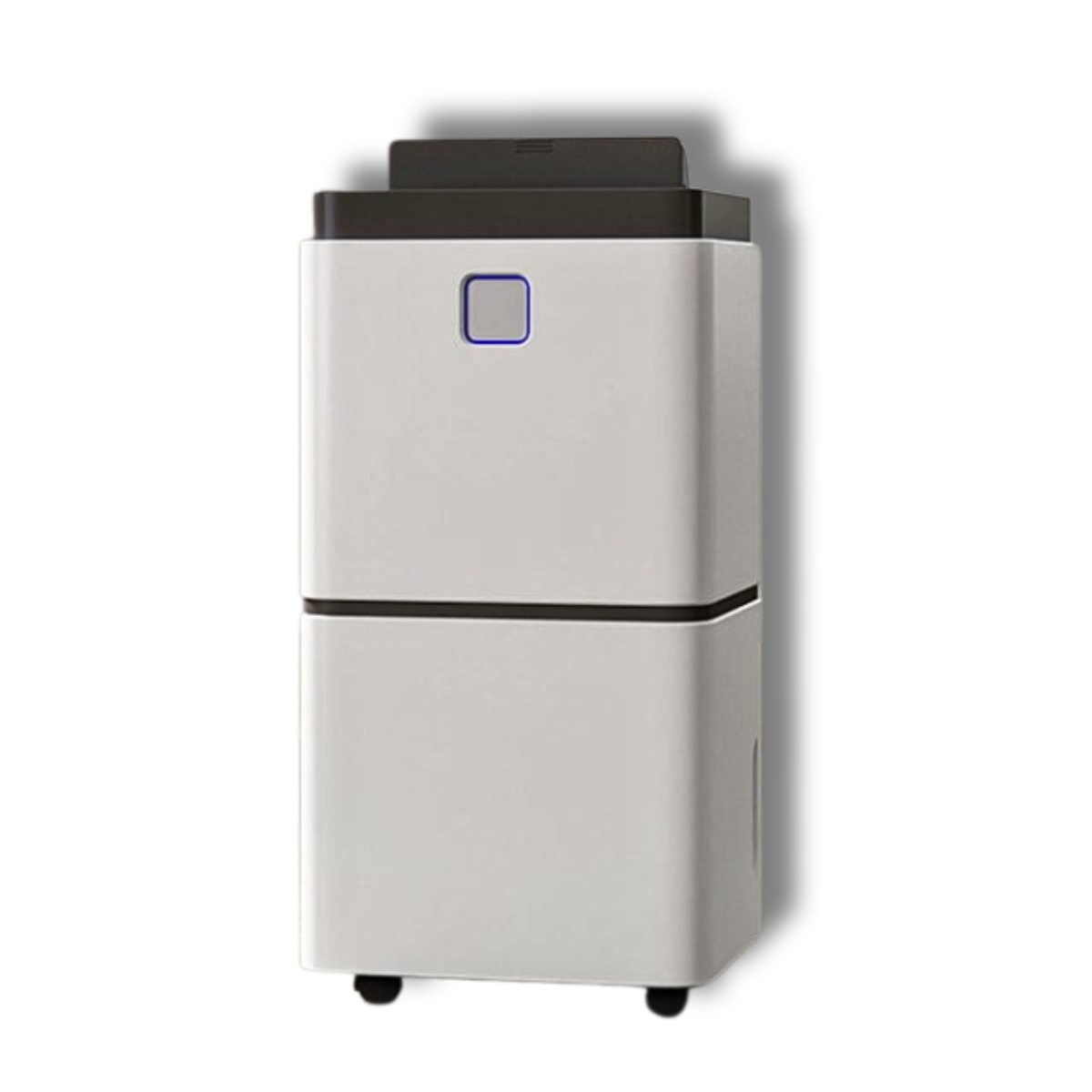
How to Install a Dehumidifier Pump? A Step by Step Guide


- Published Date - November 01, 2026
- Modified date - November 01, 2026
Table of Contents
A dehumidifier pump collects condensate in a sealed reservoir and sends water to a sink or floor drain above the unit. It connects to the dehumidifier’s outlet port and replaces manual bucket emptying in basements, crawl spaces, closets and interior rooms. A dehumidifier pump uses a float switch that activates a small electric motor when the reservoir reaches its fill level. It transfers condensate through discharge tubing to a selected drainage point.
A dehumidifier pump installation begins with compatibility checks, lift-height measurements, hose-size confirmation, drain inspection, tool collection and electrical preparation. It uses these checks to match pump capacity, tubing dimensions and drainage conditions with the installation location. The dehumidifier pump installation steps are positioning both units, selecting a drain target, securing discharge tubing and connecting a grounded electrical outlet. It rests on a flat surface beneath the dehumidifier, which allows the gravity fed hose to supply the reservoir. It ends with a final water test that confirms motor activation, drainage flow and leak-free connections.
A dehumidifier pump provides continuous drainage, reduced maintenance, automatic condensate removal, overflow prevention, placement flexibility and convenient operation. It supports installations where gravity drainage lacks a usable route and enables dehumidifier placement away from low drains. A dehumidifier pump lifts condensate 15 to 22 feet vertically, which depends on motor rating and discharge route. It clears 80 to 120 gallons per hour for high-moisture conditions, which includes flood recovery and crawl space drying.
What is a dehumidifier pump?
A dehumidifier pump is a compact condensate device that automatically moves condensate from a dehumidifier to an elevated drain. It collects water in a sealed reservoir after the dehumidifier removes moisture from indoor air. A dehumidifier pump activates an internal float switch when the reservoir reaches its preset fill level. It discharges condensate through 3/8-inch tubing to a sink, floor drain or exterior outlet.
A dehumidifier pump supports installations where gravity drainage is not possible, which includes basements, crawl spaces and interior closets. It uses an electric motor to force collected condensate upward through a discharge tube. It lifts condensate 15 to 22 feet vertically, which depends on the motor rating and the discharge tube diameter. It prevents reservoir overflow by automatically transferring water away from the dehumidifier.
How Does a Dehumidifier Pump Work?
The ways a dehumidifier pump works are outlined below.
- Water collection: The condensate water drains from the dehumidifier outlet port into the collection reservoir via a gravity fed hose.
- Float activation: The float rises with the water level and closes the switch at roughly 0.3 gallons.
- Pump engagement: The small electric motor starts when the closed switch completes the 115-volt circuit inside the pump housing.
- Active pushing: The motor pushes condensate through the plastic drain hose toward a drain point 15 to 22 feet above.
- Automatic shut-off: The float drops as the reservoir empties, opens the switch and ends the discharge cycle.
How to prepare for dehumidifier pump installation?
Prepare for dehumidifier pump installation by checking pump compatibility, verifying lift height, confirming hose size, gathering tools and fittings and inspecting the drain outlet. These preparations establish correct drainage, stable placement, electrical safety, accessible service space and compliance with the dehumidifier model installation instructions.
The ways to prepare for dehumidifier installation are outlined below.
- Check pump compatibility: Confirm the condensate pump matches the dehumidifier model, then identify built-in pump capability before purchasing, positioning or connecting an external condensate device for the installation.
- Verify lift height: Measure the vertical distance from the pump to the drain, then select a condensate pump rated 20% above the measured height for reliable discharge performance.
- Confirm hose size: Match the inlet connection to the dehumidifier gravity hose, then use 3/8-inch inside diameter tubing for discharge runs shorter than 50 feet to maintain flow.
- Gather tools and fittings: Collect a screwdriver, utility knife, hose clamps, barbed fittings and the mounting hardware supplied with the condensate pump kit before installation begins at the location.
- Inspect the drain outlet: Examine the dehumidifier’s condensate outlet for cracks, mineral scale or blockages before attaching the gravity feed hose to maintain unrestricted condensate flow during operation.
- Clear the installation area: Remove stored items within 3 feet of both units, then place the pump on a flat surface with clear service access for maintenance tasks.
- Check electrical requirements: Locate two grounded 115 volt outlets within cord reach, then confirm GFCI protection for installations in basements, crawl spaces and laundry rooms before setup begins.
- Review installation instructions: Read the pump manual and dehumidifier manual, then verify approved tubing, clamp types, warranty terms and maximum discharge length before completing every system connection.
What are the steps to install a dehumidifier pump?
The steps to install a dehumidifier pump are to position the units, select the drain target and attach and secure the discharge tubing. These actions establish a direct condensate path from the dehumidifier to the selected drain point. A dehumidifier pump installation uses a gravity drain hose to deliver condensate into the pump reservoir.
A dehumidifier pump moves collected condensate toward a suitable drain or sink within its rated lift limit. It uses a barbed outlet connection to attach a discharge tube and direct water through the line. It connects to a separate grounded 115-volt outlet and operates through a 3/8-inch line. It completes installation after a one-quart water test verifies motor operation and leak free discharge.
The steps to install a dehumidifier pump are given below.
- Position the units
- Select the drain target
- Attach and secure the discharge tubing
- Plug in the devices
- Test the pump
Position the units
Position the dehumidifier above the pump so condensate flows downward under gravity without back pressure. Place the pump on a level surface directly beneath the dehumidifier’s drain port, within 12 inches of the cabinet. Route the gravity fed hose downward into the pump inlet because flat or rising sections trap water. Leave 6 to 12 inches of clearance around both units for airflow, reservoir access and future cleaning.
Select the Drain Target
Select a drain target from a nearby floor drain, utility sink or sump pit within the pump’s rated discharge range. Measure the vertical rise and horizontal run, then keep the combined route within the pump’s 15 to 22 foot lift rating. Choose a location that keeps discharge tubing clear of foot traffic, electrical panels and finished flooring. Confirm that the drain accepts continuous flow to prevent backflow, leaks and water damage.
Attach and secure the discharge tubing
Attach plastic or PEX tubing to the pump’s barbed discharge outlet, then push the tubing fully onto the fitting. Secure the joint with a metal hose clamp to prevent leaks during the 115-volt pump’s peak discharge pressure. Route the line to the selected drain or an existing disposal pipe, supporting it every 3 to 4 feet. Keep the tubing straight and free from kinks, then inspect the clamped connection during the pump test.
Plug in the devices
Plug the dehumidifier and condensate pump into properly grounded outlet connections rated for 115 volts. Use a GFCI-protected outlet in damp locations where available to support electrical safety. Avoid extension cords, plug adapters and damaged power cords, as each increases fire risk during continuous pump cycling. Keep plugs, outlets and cords dry before powering the system, as moisture exposure corrodes contacts and trips breakers.
Test the pump
Test the pump by pouring 1 quart of clean water into the pump reservoir. Watch the float rise, confirm the motor starts within 2 seconds and track water flow to the drain. Inspect the drain hose, discharge tubing and clamped joints for drips throughout the discharge cycle. Repeat the test twice to identify intermittent float sticking and slow seepage at fittings.
What are the benefits of installing a dehumidifier pump?
The benefits of installing a dehumidifier pump include continuous drainage, reduced maintenance, automatic condensate removal, flexible drainage, overflow prevention, placement flexibility and convenient operation. These advantages exceed a gravity drain through powered discharge up to 22 vertical feet and eliminate emptying heavy collection buckets.
The benefits of installing a dehumidifier pump are given below.
- Continuous drainage: A dehumidifier pump drains condensate continuously, prevents full-bucket interruptions, maintains moisture control and supports uninterrupted operation across basements, crawl spaces, closets and enclosed areas.
- Reduced maintenance: A dehumidifier pump replaces daily bucket emptying with quarterly reservoir cleaning, reduces physical handling, limits spill risks and simplifies maintenance for consistent home moisture management.
- Automatic condensate removal: A dehumidifier pump uses a float switch that starts the motor near 0.3 gallons, removes collected water and maintains reservoir capacity without user input.
- Flexible drainage: A dehumidifier pump sends condensate to a sink, floor drain, sump pit or exterior discharge point, which extends drainage beyond direct gravity based disposal options.
- Overflow prevention: A dehumidifier pump uses a safety float switch that shuts off the dehumidifier during reservoir filling, which prevents overflow, floor damage and uncontrolled indoor water release.
- Placement flexibility: A dehumidifier pump frees units from nearby drain proximity, which supports placement in crawl spaces, closets, finished basements and other moisture prone interior locations.
- Convenient operation: A dehumidifier pump activates with the dehumidifier cycle, removes condensate without separate switches and eliminates manual starts during regular moisture control operation across occupied spaces.
- High-moisture handling: A dehumidifier pump clears 80 to 120 gallons per hour, which matches condensate output during flood recovery, crawl space drying and sustained high humidity moisture removal.
Is a dehumidifier pump worth installing?
Yes, a dehumidifier pump is worth installing because it automatically removes condensate where gravity drainage is unavailable. A dehumidifier pump prevents frequent bucket emptying and saves roughly 15 minutes of daily handling during humid months. It costs 60 USD to 95 USD, below the repair cost of a single overflow event.
When should you consider installing a dehumidifier pump?
You should consider installing a dehumidifier pump when the unit cannot drain through gravity because the available outlet sits above the dehumidifier. A dehumidifier pump serves basements and crawl spaces where the available drain is higher than the cabinet. It also reduces emptying the collection bucket 2 or more times daily.
Do all dehumidifiers need a condensate pump?
No, all dehumidifiers do not need a condensate pump because many models rely on gravity drainage, which works when the drain point is lower than the unit. A pump becomes necessary only when gravity drainage is impractical such as when the drain point is higher or located far from the dehumidifier.
Can I install a condensate pump myself?
Yes, you can install a condensate pump yourself because most kits include straightforward connections, inlet and discharge tubes and clear instructions for linking to an HVAC drain. You must ensure safe access to a nearby power supply and confirm compatibility with your dehumidifier’s drainage system before beginning installation.
What is the best pump for a dehumidifier?
The best pump for a dehumidifier is Little Giant VCMA-20ULST because its 115 volt external condensate pump delivers 80 gallons per hour. The Little Giant VCMA-20ULST includes a built-in safety switch that shuts down connected equipment before reservoir overflow. It provides a 20 foot lift and includes 20 feet of 3/8-inch tubing.
How do I clean a dehumidifier pump?
You can clean a dehumidifier pump by unplugging the unit, opening the reservoir and removing debris from the float and impeller. Use a 50/50 mix of warm water and white vinegar to dissolve scale and algae after a 15-minute soak. Check the inlet for blockages, rinse twice and repeat cleaning every 3 to 6 months.
When should I replace a dehumidifier pump?
You should replace a dehumidifier pump when water remains in the reservoir despite a working motor. A dehumidifier pump producing loud grinding noises indicates worn bearings or a damaged impeller beyond cleaning repair. It reaches replacement age after 7 to 10 years, when a cracked housing or stuck float ends reliable operation.
Products
Solar Panel
Air Purifier