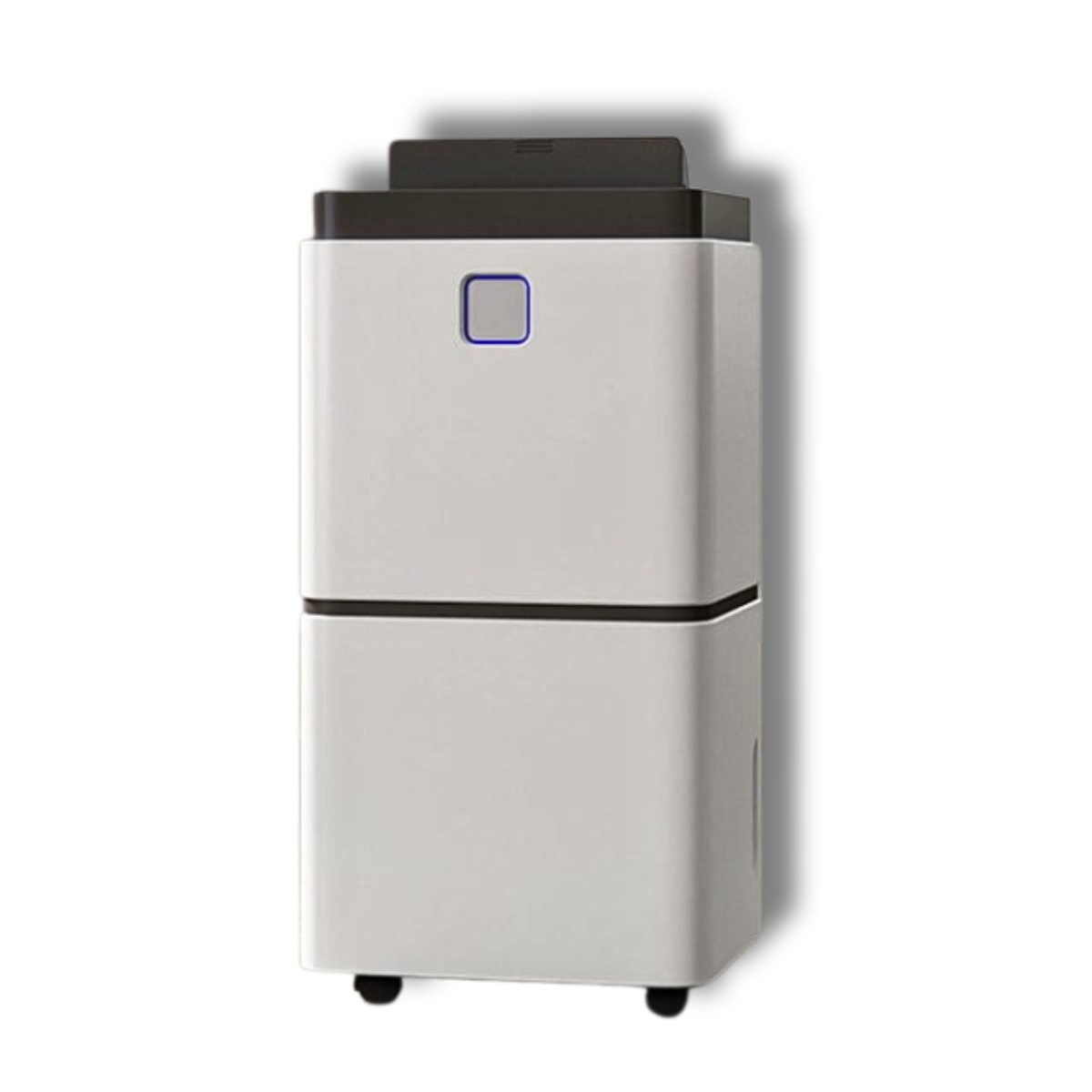
What Does a Dehumidifier Do? Benefits, Side Effects and When to Use


- Published Date - November 11, 2026
- Modified date - November 11, 2026
Table of Contents
A dehumidifier is a device designed to lower indoor humidity by extracting excess moisture from the air. Its purpose is not only to improve comfort, but also to protect health and property. This helps prevent mold, mildew, musty odors and structural damage, while improving comfort and protecting belongings such as wooden furniture, books and electronics. A dehumidifier limits allergens like dust mites and mold spores by reducing moisture, which aggravates asthma, hay fever and other respiratory issues.
A dehumidifier’s benefits include cleaner air through reduced allergen levels, improved respiratory health from fewer irritants and protection of property from moisture related damage. Household units remove 10 to 30 liters (20 to 60 pints) of moisture per day, with airflow rates around 100 to 300 CFM. It helps maintain the ideal indoor humidity of 40 to 60%. A dehumidifier that is not properly used or maintained leads to issues such as overly dry air, which causes skin irritation or dry eyes. It promotes mold and bacterial growth inside the unit, causes refrigerant leaks or increases the risk of illness because of excessively low humidity.
A dehumidifier is needed when humidity exceeds 50 to 55%, after water damage, flooding or when there are signs like window condensation, musty odors, visible mold or moisture attracting pests. It operates inefficiently in spaces below 41°F (5°C) or when the air is already dry, which leads to poor moisture removal and possible equipment damage. A humidistat regulates operation to avoid unnecessary runtime. A dehumidifier lasts 5 to 10 years with proper maintenance.
What does a dehumidifier do?
A dehumidifier is designed to reduce indoor humidity by removing excess moisture from the air, which is critical for maintaining a healthy and comfortable living environment. It prevents the growth of mold and mildew by lowering humidity levels, key culprits behind musty odors and structural damage in homes.
A dehumidifier plays a vital role in controlling allergens such as dust mites and mold spores, which makes indoor air safer for individuals with respiratory conditions or allergies. Improved humidity control leads to greater comfort, as the air feels less sticky and pleasant, especially in warm climates. Dehumidifiers help protect belongings like furniture, clothing, electronics and important documents from moisture related deterioration. A dehumidifier integrates with the HVAC system to improve efficiency, as drier air allows air conditioners to cool spaces. It contributes to lower energy costs and extends equipment lifespan.
How effective are dehumidifiers?
Dehumidifiers are highly effective at reducing indoor humidity, which helps prevent mold, mildew and dust mites that thrive in damp environments. Their effectiveness depends on two key factors such as the moisture removal rate and the airflow rate. The moisture removal rate, measured in liters or pints per day, indicates how much water the unit extracts from the air in 24 hours.
Household dehumidifiers remove between 10 to 30 liters (20 to 60 pints) daily, which makes them well suited for bedrooms, basements or living spaces. The airflow rate, measured in cubic feet per minute (CFM), shows how much air the device processes. Residential units process 100 to 300 CFM, which guarantees efficient circulation and moisture reduction in the target area. The right combination of these rates allows a dehumidifier to lower humidity to the ideal 40% to 60% range, which improves comfort and air quality. Dehumidifiers’ effectiveness varies with unit size, room conditions and initial moisture levels.
What are the benefits of a dehumidifier?
The benefits of a dehumidifier are improved indoor air quality, health benefits, protecting your home and energy savings.
The benefits of a dehumidifier are outlined below.
- Improved indoor air quality: Dehumidifier removes excess moisture and reduces musty odors, which prevents the spread of mold spores and dust mites for cleaner, fresher air throughout your home.
- Health benefits: Dehumidifiers support respiratory health and reduce allergy symptoms for a healthier living environment by preventing mold, mildew and allergens such as dust mites.
- Protects your home: Dehumidifier prevents structural damage, warping and rot in furniture, wood and walls by regulating moisture and keeping humidity within safe levels year round.
- Energy savings: Dehumidifier’s lower humidity helps your air conditioning work rapidly, which reduces energy consumption and costs while extending the life of your HVAC system.
What are the side effects of dehumidifiers?
The side effects of a dehumidifier are overly dry air, respiratory issues, mold and bacteria growth, refrigerant leaks, eye and skin problems and respiratory illness symptoms.
The side effects of a dehumidifier are outlined below.
- Overly dry air: Dehumidifier excess moisture removal makes air too dry, which causes discomfort, increased static electricity and potential damage to wood furnishings and musical instruments.
- Respiratory issues: Dehumidifier prolonged exposure to low humidity irritates airways, exacerbates asthma and triggers coughing or throat discomfort in sensitive individuals.
- Mold and bacteria growth: Dehumidifier water reservoirs and internal components foster mold and bacteria if not cleaned regularly, which releases contaminants back into the air.
- Refrigerant leaks: Malfunctioning units of dehumidifiers using refrigerants develop leaks, which pose health risks and environmental hazards if not promptly repaired.
- Eye and skin problems: Dehumidifier low humidity leads to dry eyes, itchy skin or cracked lips, particularly during the winter months.
- Respiratory illness symptoms: Dehumidifier’s extended exposure to a dry environment increases susceptibility to colds, sinus infections and bronchial irritation.
When to use a dehumidifier?
A dehumidifier should be used whenever indoor humidity consistently rises above 50% to 55%, as this level encourages mold, mildew, dust mites and other allergens to thrive. The key situations warranting its use include experiencing high humidity, persistent musty odors, lingering condensation on windows or walls or visible mold and mildew growth in living spaces. It is advisable when you or household members suffer from allergies or asthma aggravated by indoor air quality, since controlling moisture helps reduce allergen levels. Pest problems, such as an influx of cockroaches or silverfish, signal excess dampness and are minimized by dehumidification.
A dehumidifier is essential for drying out spaces and preventing further complications after water damage events like leaks or flooding. Noticeable indoor dampness, sticky air and discomfort during the humid summer months further justify its use. Seasonal changes or climate specific warmth and rain require year round dehumidification to maintain optimal comfort and protect your home.
Should a dehumidifier be on all the time?
No, a dehumidifier should not be on all the time because it leads to overly dry air, discomfort and unnecessary energy consumption. A humidistat controls the device automatically, which means it only runs when humidity exceeds the target level 50% to 55% for optimal comfort and efficiency.
Should you run a dehumidifier after a flood?
Yes, you should run a dehumidifier after a flood, which removes excess moisture from the air, helps to dry out the space quickly and prevents mold growth. It minimizes damage to your home and belongings like furniture, books and electronics.
When should I not use my dehumidifier?
You should not use your dehumidifier when indoor temperatures drop below 60°F (16°C) or the humidity level is already low, especially during the winter months. Dehumidifier operation is unnecessary in spaces with naturally lower humidity levels because it results in dry air and discomfort that leads to issues such as dry skin or respiratory irritation.
How many years should a dehumidifier last?
A dehumidifier lasts 5 to 10 years on average. The lifespan of a dehumidifier depends on factors like how it is used, regular maintenance such as filter cleaning, the humidity and dust levels in your environment, the quality or brand of the unit and being stored properly when not in use. Whole house systems and well maintained models tend to last longer.
When to replace your dehumidifier?
You should replace your dehumidifier every 5 to 10 years with proper maintenance. The signs that describe the time for replacement include persistent humidity, water leaks, unusual noises, failure to collect water, foul odors or electrical issues, despite clean filters and regular maintenance. Whole house systems last longer, but still require replacement if these issues arise.
Are dehumidifiers worth it?
Yes, dehumidifiers are worth it when you suffer from allergies or asthma, want to improve indoor comfort or need to protect your home from moisture damage. They inhibit mold, reduce allergens and help prevent structural issues by controlling excess humidity, which makes them a worthwhile investment for healthier air and safeguarding your property.
Is a whole house dehumidifier worth it?
Yes, a whole house dehumidifier is worth it when you live in a humid climate or struggle with persistent mold, mildew or musty odors throughout your home. It offers a worthwhile investment by maintaining balanced humidity in all rooms, which improves air quality and protects your property from moisture related damage while reducing the workload on your HVAC system.
Products
Solar Panel
Air Purifier