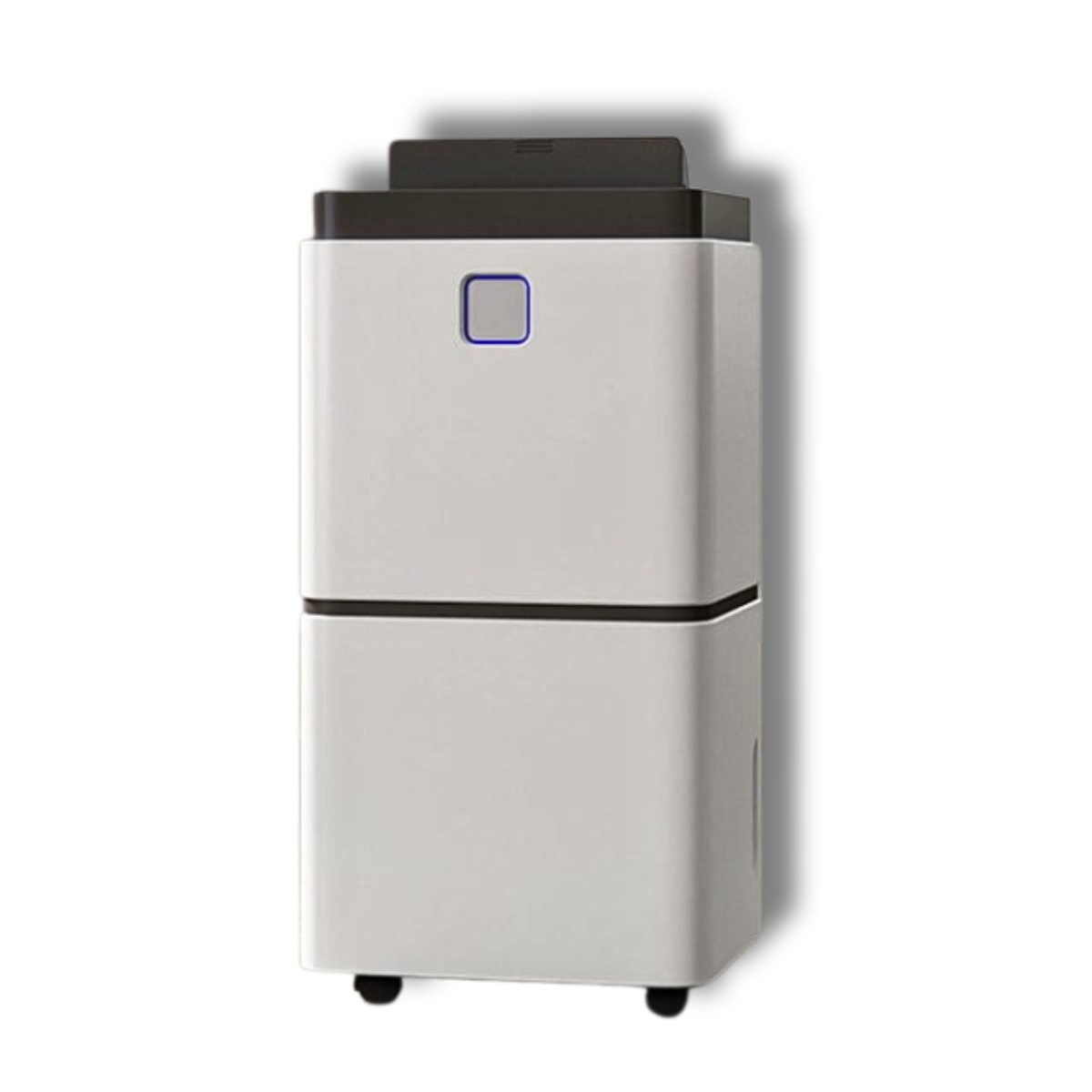


A dehumidifier collects condensate from indoor air into an internal tank and needs a proper drainage option because that tank fills quickly in humid spaces. It stops controlling humidity when the tank reaches capacity and shuts off. A dehumidifier runs unattended with continuous drainage and helps reduce moisture-related conditions such as mold growth, musty odors and material damage.
A dehumidifier relies on several drainage methods that move collected water away from the unit and into safe outlets. It uses manual bucket drainage for short term or portable operation and a gravity drain hose when an outlet sits below the unit. A dehumidifier relies on an external condensate pump where an elevation difference prevents gravity flow. It also uses built-in pump drainage for lifting capabilities and a dehumidifier with a drain hose connection that accepts standard hose fittings for continuous discharge.
A dehumidifier reaches suitable drain points that match its gravity or pump range and keep water away from occupied areas. It uses dehumidifier drain ideas such as floor drains, utility sinks, basement drains, laundry sinks, shower or bathtub drains, toilets, sump pits and outdoor locations. A unit produces non-potable condensate that suits non-drinking uses and a dehumidifier self draining into a fixed outlet operates for extended periods without manual emptying.
Why does a dehumidifier need a proper drainage option?
A dehumidifier needs a proper drainage option because continuous operation, prevents shutdowns, avoids water damage, reduces mold risk and saves time. These drainage pathways drain water automatically, prevent bucket overflow, prevent stagnant water and reduce moisture-related conditions while maintaining stable humidity in enclosed areas.
The reasons why a dehumidifier needs a proper drainage option are given below.
- Continuous operation: A drainage system lets the dehumidifier drain water automatically that allows extended operation without frequent interruptions or manually emptying the collection bucket.
- Prevents shutdowns: A continuous drainage setup keeps the dehumidifier’s water reservoir from reaching its limit that prevents automatic shutdowns during prolonged operation in humid conditions.
- Avoids water damage: A drainage hose prevents bucket overflow by directing collected water safely away from the dehumidifier, which reduces the risk of spills and surrounding water damage.
- Reduces mold risk: A proper drainage system prevents stagnant water from accumulating around the dehumidifier that helps reduce moisture-related conditions that encourage mold and mildew growth.
- Saves time: An automatic drainage system eliminates frequent bucket emptying that reduces routine maintenance and saves time when the dehumidifier operates continuously in damp environments.
What are the different ways to drain a dehumidifier?
The different ways to drain a dehumidifier are manual bucket drainage, gravity drain hose, external condensate pump, built-in pump drainage and direct plumbing or floor drain connection. These drainage methods manage a water tank, route condensate through a standard garden hose and make sure a pump pushes water toward outlets in spaces.
Manual bucket drainage requires users to empty the internal reservoir at set intervals to remove collected moisture. Gravity drainage uses a drain hose to discharge water continuously from the unit into a nearby floor drain or other lower drainage point. External or built-in pump drainage moves condensate through tubing toward elevated sinks or distant drains when gravity drainage is not possible.
The different ways to drain a dehumidifier are given below.
- Manual bucket drainage
- Gravity drain hose
- External condensate pump
- Built-in pump drainage
- Direct plumbing or floor drain connection
Manual bucket drainage 

Manual bucket drainage is a dehumidifier drainage method that collects extracted moisture in a built-in water bucket, which the user empties by hand. It works as water drips into the bucket during operation until the bucket reaches capacity that causes the unit to stop automatically. Manual bucket drainage suits occasional use, low moisture spaces or locations without convenient drain access. It offers simple setup, requires no hose and allows flexible water disposal. Manual bucket drainage requires regular emptying, can interrupt operation and may cause spills if overlooked. A dehumidifier bucket filled with hose attached refers to continuous drainage rather than manual bucket collection.
Gravity drainage

Gravity drainage is a continuous water removal method that uses a drain hose to direct collected moisture away from the unit without a pump. It relies on gravity to move water toward a lower drainage point that must be lower than the dehumidifier. Gravity drainage requires connecting the dehumidifier drainage hose securely to the outlet and positioning its end at a suitable lower drain. It works best when a nearby floor drain, sink, or other low level outlet is available. Gravity drainage provides continuous operation, reduces manual bucket emptying, and uses no additional pump. It requires correct positioning, a suitable drain location, and sufficient downward slope to prevent water from backing up.
External condensate pump

An external condensate pump is a drainage device that collects water from a dehumidifier and moves it to a suitable discharge location. It pumps collected condensate through tubing toward a distant drainage point when gravity drainage is not possible. An external condensate pump is useful when the drain is elevated, far away or positioned above the dehumidifier. It supports dehumidifier continuous run, reduces manual bucket emptying and provides flexible drainage placement. An external condensate pump requires additional installation, electricity, maintenance and space, while pump failure can interrupt water removal.
Built-in pump drainage

Built-in pump drainage is a dehumidifier drainage method that uses an integrated condensate pump to remove collected moisture without manual bucket emptying. It automatically pumps collected water through a dehumidifier drain hose toward a distant drainage location, including points positioned higher than the unit. Built-in pump drainage supports dehumidifier continuous drain operation and can move water vertically or horizontally over suitable distances. It suits spaces where gravity drainage cannot reach an appropriate outlet. Built-in pump drainage provides convenient automatic water removal, flexible drainage placement and less frequent maintenance. It can increase purchase costs, consume additional electricity, and require pump maintenance if the mechanism becomes clogged or fails. A self draining dehumidifier commonly uses this feature for unattended moisture removal.
Direct plumbing or floor drain connection

A direct plumbing or floor drain connection works by directing collected condensate through a drain hose into a nearby permanent drainage point. It requires connecting the hose securely to the continuous drain outlet and positioning the drain to be lower than the dehumidifier. A direct plumbing or floor drain connection suits spaces where continuous water removal is needed and a suitable drain is readily accessible. It can discharge collected water automatically, support uninterrupted operation, and eliminate frequent bucket emptying. A direct plumbing or floor drain connection depends on proper hose positioning, compatible drainage access, and regular inspection for blockages or leaks.
Where can you drain water from a dehumidifier?
You can drain water from a dehumidifier into a floor drain, utility sink, basement drain, laundry sink, shower or bathtub drain, or toilet. These reliable drainage points accept condensate through a dehumidifier drain hose or drain dehumidifier into sump pump connections, while dehumidifiers located near laundry use plumbing.
The places where you can drain water from a dehumidifier are given below.
- Floor drain: A dehumidifier drains into a basement floor drain located below the unit, where reliable drainage points accept continuous condensate flow without pumps or bucket handling.
- Utility sink: A dehumidifier drain hose hooks over a utility sink rim, keeps the hose end above the water surface and routes condensate safely into the household plumbing.
- Basement drain: A dehumidifier drains toward a basement drain along the wall, where hose clips maintain a gentle downhill slope and prevent kinks or leaks at the drainage point.
- Laundry sink: A dehumidifier located near laundry uses the laundry sink standpipe, which shares the drain with washing machine discharge and keeps condensate away from floors.
- Shower or bathtub drain: A dehumidifier drains into a shower or bathtub drain, where the hose rests near the strainer, avoids foot traffic and sends water to the sewer line.
- Toilet: A dehumidifier discharges into a toilet bowl or tank overflow path, which allows condensate to exit through existing sewer piping without additional fittings or structural changes.
- Sump pit or sump pump basin: A dehumidifier drains into sump pump basins that remain open, where the hose clears the float switch and the pump lifts water away.
- Outdoors: A dehumidifier drains outdoors through a window or wall penetration, directing condensate onto ground sloping away from the foundation and preventing pooling near structures.
Where should you drain dehumidifier water in a basement?
You should drain dehumidifier water in a basement into a nearby floor drain, utility sink or available drainage system because these locations safely route condensate. Dehumidifier water reaches a nearby floor drain by gravity when the unit sits higher on a stand. It reaches a utility sink when a pump lifts condensate from the basement level into the basin.
Is it safe to pour dehumidifier water down the drain?
Yes, it is safe to pour dehumidifier water down the drain because condensed moisture contains no soap, grease or solid waste. Dehumidifier water is suitable for disposal through household drains and sinks and it carries airborne dust and trace metals rather than harmful contaminants.
Can I drain the dehumidifier into the sump pump?
Yes, you can drain the dehumidifier water into the sump pump because a sump system already exists to remove excess water from basements. Dehumidifier water enters the sump pit under local plumbing regulations that govern condensate discharge. It adds a continuous moisture load that must match the pump’s capacity.
Can I use water from a dehumidifier?
Yes, you can use water from a dehumidifier because it supports certain non-potable purposes around a household. A dehumidifier provides collected water for flushing toilets, watering ornamental plants, mopping floors and rinsing outdoor tools. It carries airborne bacteria and trace metals, so it is unsuitable for drinking, cooking or edible crops.
Can I use dehumidifier water for plants?
Yes, you can use dehumidifier water for plants because its low mineral content suits non-edible plants such as ferns and ornamental shrubs. A dehumidifier water tank should be cleaned before watering and its condition prevents bacteria and mold from transferring into plant soil.
Is dehumidifier water safe for drinking?
No, dehumidifier water is not safe for drinking because it collects contaminants from the air during each cooling cycle. Dehumidifier water contains very few dissolved minerals, yet its tank accumulates bacteria, mold, dust and metals from coils and solder. It differs from distilled water, which removes pathogens through a boiling stage.
Where to connect the dehumidifier drain hose?
Connect the dehumidifier drain hose to the threaded outlet on the rear panel because this connection routes water toward a suitable gravity drain. The dehumidifier sends condensate by gravity to a floor drain, standpipe or laundry tub positioned below the outlet. Its hose connects to a condensate pump when the drain is higher and the pump pushes water through a condensate drain l
Solar Panel
Air Purifier