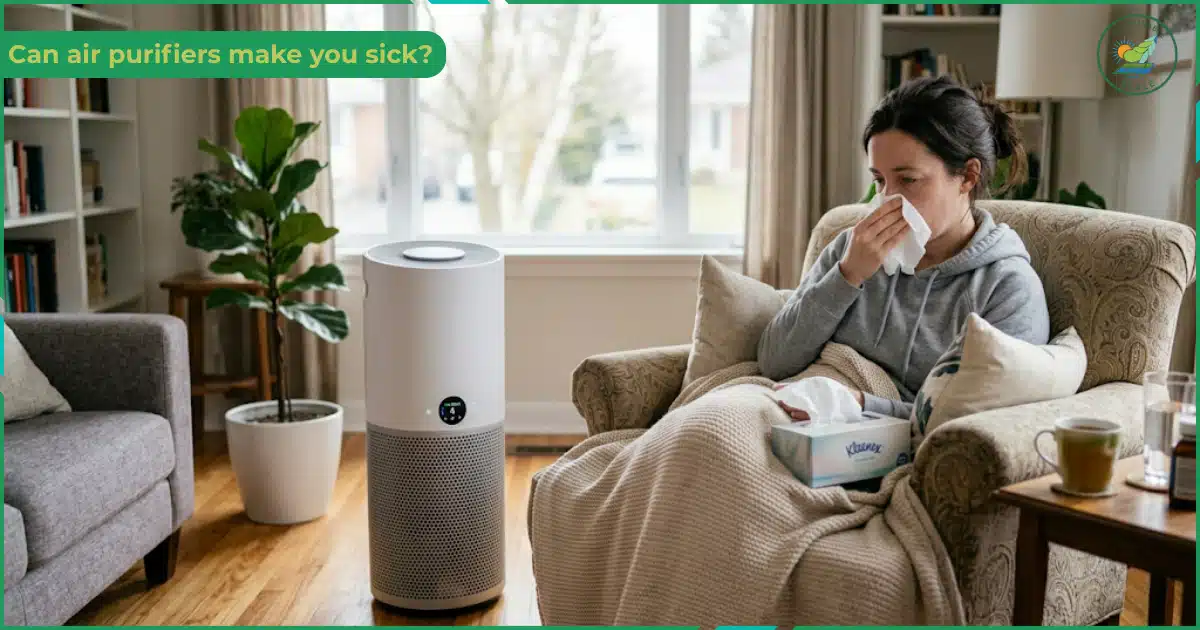

Yes, air purifiers can make you sick because certain models release ozone, use clogged filters or emit irritants like volatile organic compounds and ionization byproducts. They create problems when dirty filters circulate dust, pollen, mold and bacteria instead of trapping them, while strong fans disturb settled particles. Ozone generators, ionizers and poorly maintained units that produce harmful gases or pollutants, which lead to headaches, throat irritation and breathing discomfort.
Air purifiers worsen allergies when saturated or incorrect filters fail to capture fine allergens and instead spread pet dander, pollen and mold spores into the air. They aggravate asthma by producing ozone, increasing airway inflammation and redistributing irritants that trigger wheezing and shortness of breath. They also cause coughing when ozone irritates lung tissues, airflow dries the throat or contaminated filters release particles that inflame airways.
Air purifier sickness can be managed by avoiding ionizers, improving ventilation and using humidifiers to maintain balanced indoor moisture. They require treatments like antihistamines or saline rinses to relieve symptoms and clear irritants. You have to choose certified low ozone purifiers, place them correctly, keep airflow unobstructed, and replace filters regularly to ensure clean and healthy air.
Why can an air purifier make you sick?
An air purifier can make you sick if it produces harmful ozone, uses dirty or clogged filters, or releases irritants such as volatile organic compounds (VOCs) or ion related byproducts.
The reasons an air purifier can make you sick are given below.
Ozone production: Ozone producing ionizer models or ozone‑generating air purifiers produce harmful ozone, which irritates the lungs and triggers coughing, chest tightness and worsened asthma.
Dirty filters: Clogged filters stop cleaning the air properly and start recirculating dust, pollen, mold and bacteria, which trigger allergies, sore throats and other respiratory problems.
Off gassing: New air purifiers or replacement parts release VOCs from plastics and materials that irritate eyes, skin and lungs with chemical odors until fully off gassed over days or weeks.
Stirring up dust: A strong fan can blow settled dust and allergens back into the air, which makes it easier to breathe and worsens coughing or congestion.
Sensitivity to ionization: People sensitive to ionized air or ozone experience headaches, dizziness, sore throat or chest tightness when using ionizers or electrostatic purifiers, even at relatively low emission levels.
Which air purifiers can make you sick?
Ozone generators, electronic ionizers and poorly maintained air purifiers can make you sick. Ozone generators intentionally release ozone, a lung damaging gas that causes coughing, chest pain and worsened asthma or other respiratory diseases. Health agencies like the EPA warn that no indoor ozone level is truly safe, so these devices should not be used in homes or offices.
Electronic air purifiers that use ionizers, plasma or similar technologies also cause health risks. They produce small amounts of ozone or secondary pollutants such as formaldehyde, which trigger headaches, throat irritation and breathing problems. Poorly maintained purifiers can become a health hazard because dirty or old filters begin to trap mold, bacteria, dust and allergens and then release them back into the air. These compromised purifiers worsen indoor air quality, trigger allergies, cause asthma flare‑ups and even contribute to respiratory infections over time.
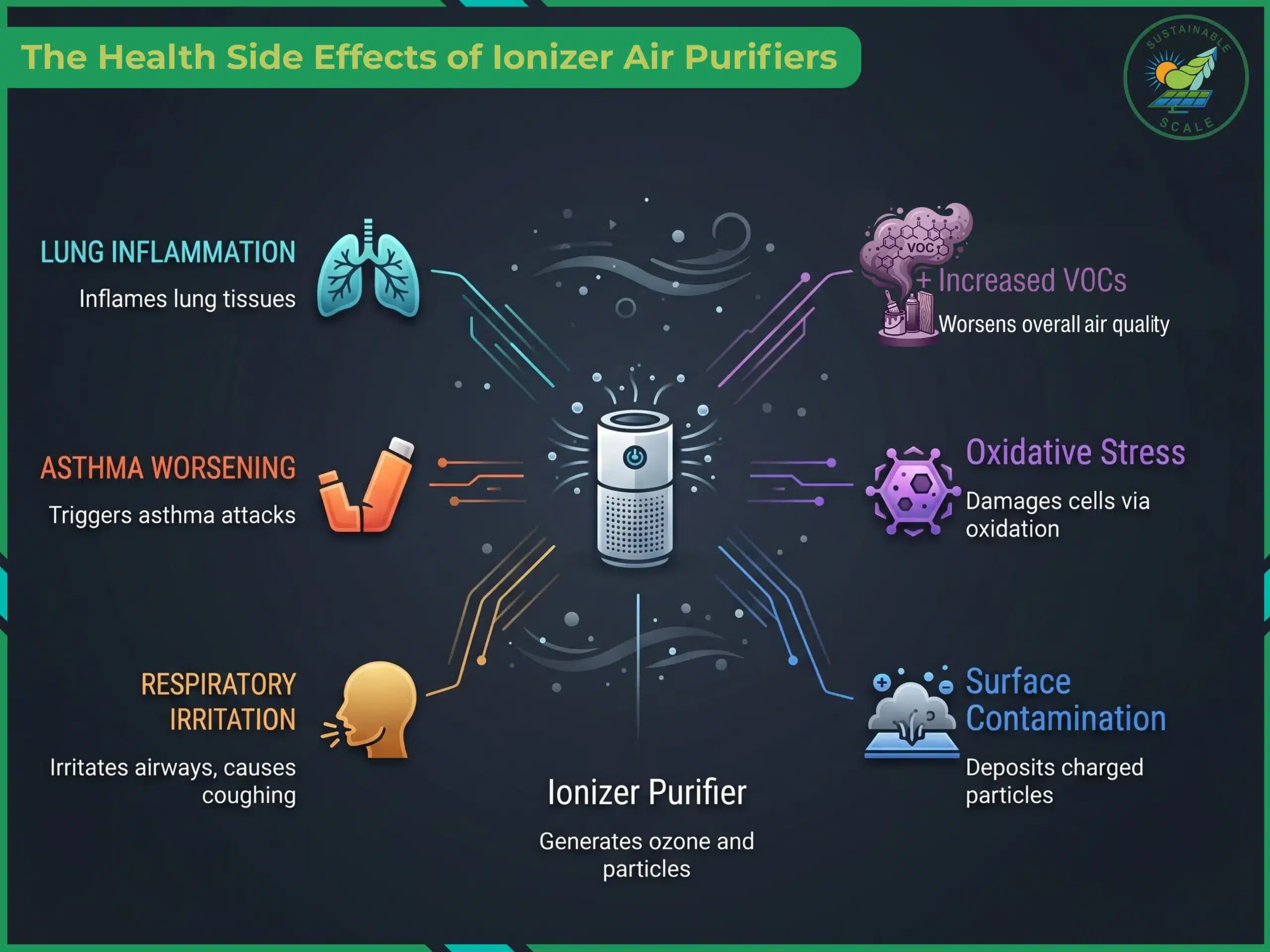
What are the side effects of ionizer air purifiers?
The side effects of ionizer air purifiers are given below.
Respiratory irritation: Ionizer air purifiers generate ozone and charged particles that irritate airways, causing coughing, throat discomfort and shortness of breath in sensitive individuals.
Asthma worsening: Ionizer air purifiers release irritants like ozone that trigger asthma attacks, increasing wheezing, chest tightness and breathing difficulties for asthmatics.
Lung inflammation: Ionizer air purifiers produce reactive oxygen species and particulates that inflame lung tissues, leading to redness, swelling and impaired respiratory function over time.
Increased VOCs and ultrafine particles: Ionizer air purifiers react with indoor chemicals to form more volatile organic compounds and tiny nanoparticles that worsen overall air quality.
Oxidative stress: Ionizer air purifiers create free radicals from ionization that damage cells via oxidation, potentially contributing to chronic health issues like premature aging.
Surface contamination: Ionizer air purifiers deposit charged particles on walls, furniture and floors, which causes black soot-like buildup that requires frequent cleaning.
How can air purifiers make allergies worse?
Air purifiers can make you sick by worsening allergies through poor maintenance, incorrect usage and design flaws. Dirty or saturated filters from irregular upkeep accumulate dust, pollen and pet dander, then redistribute them into the air that spark sneezing, itchy eyes and congestion. Wrong filter types fail to trap fine allergens like mold spores, which lets them linger and provoke stronger reactions.
Air purifiers aggravate issues further with ozone generating models that emit lung irritating gases, which intensify wheezing and throat discomfort. Improper placement disrupts airflow that stirs settled particles into circulation and heightens exposure in sensitive areas. This demands a correct setup and care to avoid these pitfalls effectively.
How can air purifiers make asthma worse?
Air purifiers can make asthma worse by producing ozone from ionizers or UV models, which irritates sensitive lung tissues and sparks inflammation. They release dust, mold and allergens when filters clog, which heightens exposure that aggravates airways.
Air purifiers worsen symptoms like wheezing, shortness of breath and coughing through excessive fan airflow that dries nasal passages and throats. Their strong drafts stir settled particles that intensify lung irritation and nighttime attacks. Poorly maintained units leak ultrafine contaminants, which mimic allergy flares with chest tightness.
How can air purifiers make you cough?
Air purifiers can make you cough if they emit ozone, stir up dust or have dirty filters. Air purifiers releasing ozone irritate the lungs and airways, which can trigger coughing and breathing discomfort. Air purifiers that intentionally or unintentionally release ozone irritate the lining of the lungs and airways. This triggers coughing, chest tightness and shortness of breath, especially in people with asthma or other lung conditions.
Air purifiers with neglected filters trap dust, mold, and bacteria, recirculating these particles into the air and intensifying coughs. They amplify reactions in those with pre-existing sensitivity like allergies, as drafts dry airways and disturb allergens.
What are the best treatments for air purifier sickness symptoms?
The best treatments for air purifier sickness symptoms are avoiding ionizers, improving ventilation, using humidifiers, taking appropriate medication and performing saline nasal rinses. They help reduce exposure to irritants, soothe airways and restore comfortable indoor air quality.
The best treatments for air purifier sickness symptoms are given below.
Avoid ionizers: Stop using air purifiers that generate ozone or rely on ionization, as these can irritate the respiratory system and trigger headaches, nausea or throat discomfort.
Improve ventilation: Open windows or use exhaust fans to increase fresh air flow and reduce the buildup of recirculated or contaminated indoor air that may trigger symptoms.
Use a humidifier: Run a humidifier to keep indoor humidity between 30 to 50%, which can ease dry throat, cough and nasal irritation caused by excessively dry filtered air.
Use appropriate medication: Take over the counter antihistamines, decongestants or nasal sprays as recommended by a doctor to relieve allergy reactions or respiratory irritation.
Perform saline nasal rinse: Rinse your nasal passages with saline solution once or twice daily to flush out irritants, reduce congestion and soothe dry or inflamed nasal tissues.
What are the tips for using air purifiers safely?
The tips for using air purifiers safely include selecting a safe purifier, proper placement, unobstructed airflow, regular maintenance, optimized operation and draft management. These help you protect your health and keep the air clean and comfortable in your home.
The tips for using air purifiers safely are given below.
Select a safe purifier: Pick a certified air purifier from trusted brands, with features like auto shut‑off and low ozone emission. It should match your room size and include safety labels for reliability.
Proper placement: Place the purifier in high traffic areas with 1 to 2 feet of space from walls or furniture. This improvement prevents overheating and allows smooth airflow for better air cleaning performance.
Unobstructed airflow: Keep the air purifier’s intake and outlet clear from curtains, rugs or objects. This airflow reduces strain on the motor and prevents dust buildup that could cause a fire risk.
Regular maintenance: Clean or replace the filters every 6 to 12 months. This stops mold growth, keeps the purifier efficient and avoids electrical problems from clogged or dirty parts.
Optimized operation: Run the purifier continuously using the right mode for your room and avoid placing it near heat or moisture.
Draft management: Keep doors and windows closed while using the purifier. This helps maintain clean indoor air, blocks outdoor pollutants and prevents filters from getting overloaded too quickly.
Is it safe to run an air purifier every day?
Yes, it is safe to use an air purifier every day because it continuously removes dust, allergens and pollutants from indoor air. It improves air quality and supports respiratory health when filters are clean and properly maintained. An air purifier poses no health risks with routine safety checks on electrical components and filter integrity.
Is it safe to run an air purifier all night?
Yes, it is safe to run an air purifier all night because most HEPA based models are designed for continuous operation. It keeps air clean during sleep and helps reduce allergens, but safety depends on proper use and avoiding ozone-producing devices.
Are air purifiers safe for lungs?
Yes, air purifiers are safe for lungs because they trap dust, pollen, mold spores and other small particles from the air. It helps people with allergies, asthma or other sensitivities. Ozone generating models can be harmful to respiratory health because they release ozone, which irritates the lungs and creates breathing problems.
Do air purifiers release toxins?
No, air purifiers do not release toxins if they use HEPA or activated carbon filters that trap particles and gases safely. They may release harmful byproducts only if they use ionizers or ozone generators, which emit ozone. They remain safe when using certified, non-ozone producing models.
Do all air purifiers create ozone?
No, not all air purifiers create ozone because many are designed to be ozone-free with HEPA and activated carbon filters. It is safe to use an ozone free air purifier that is certified by the California Air Resources Board (CARB), but ionizers and ozone generators release ozone and should be avoided if you want clean, healthy air.
Solar Panel
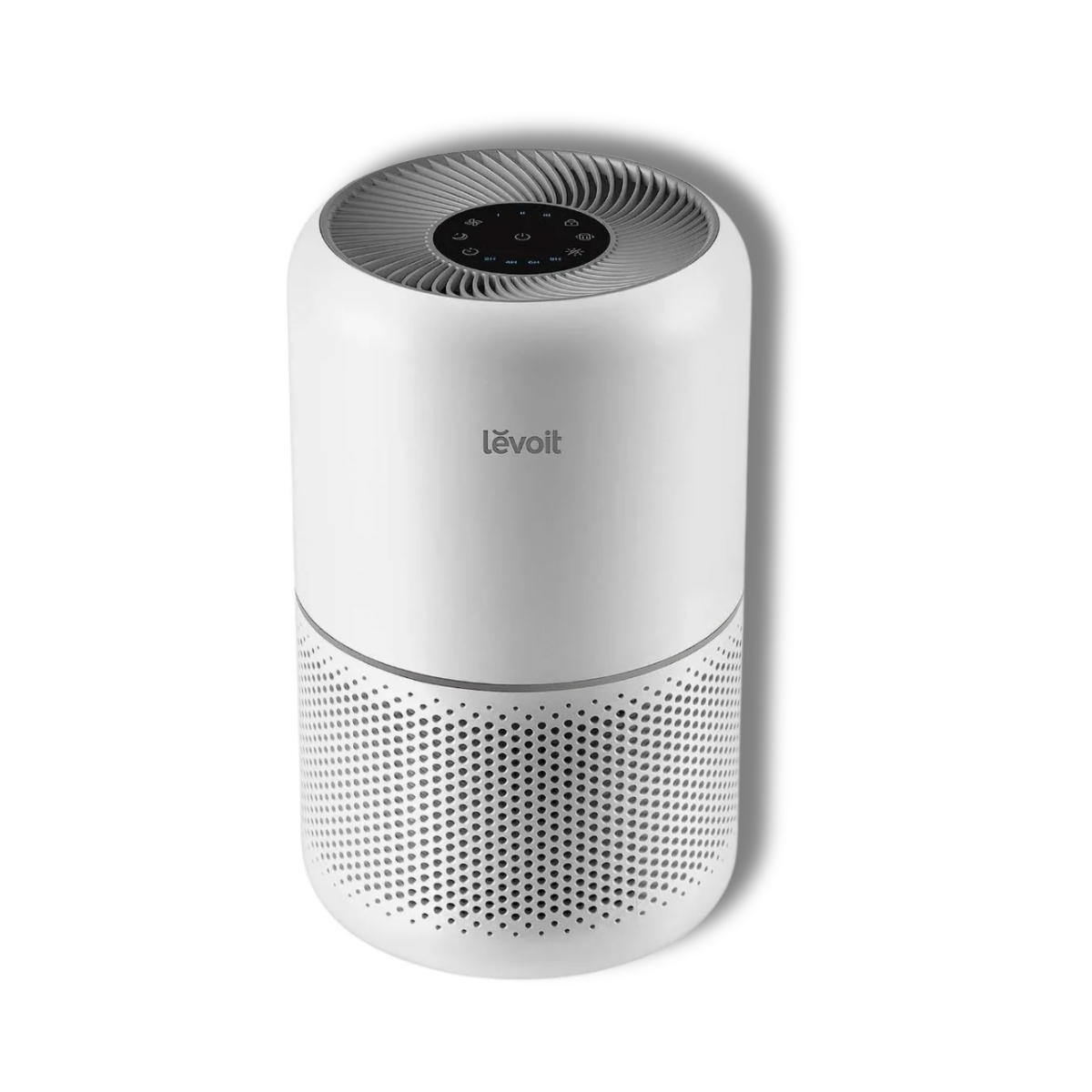
Air Purifier