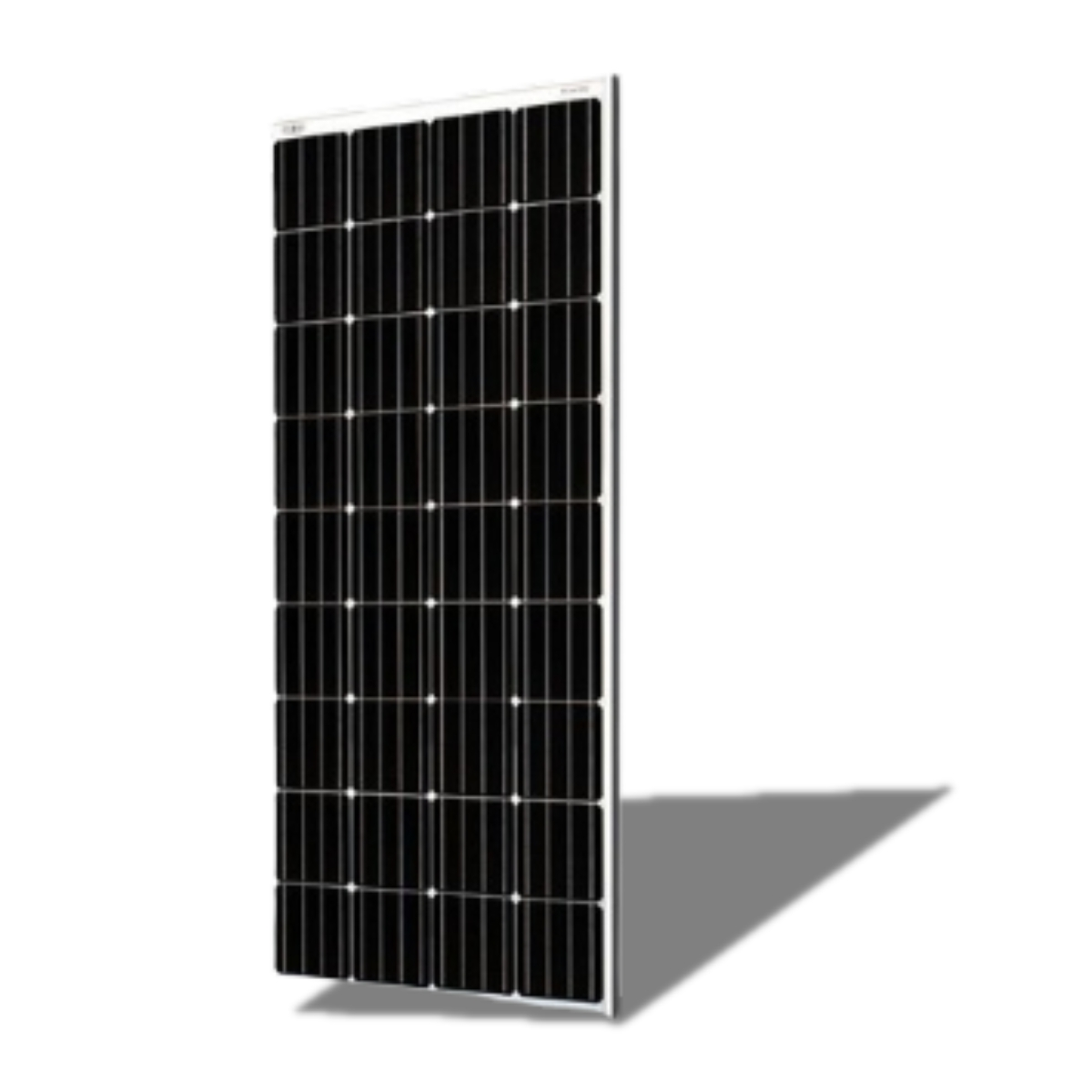
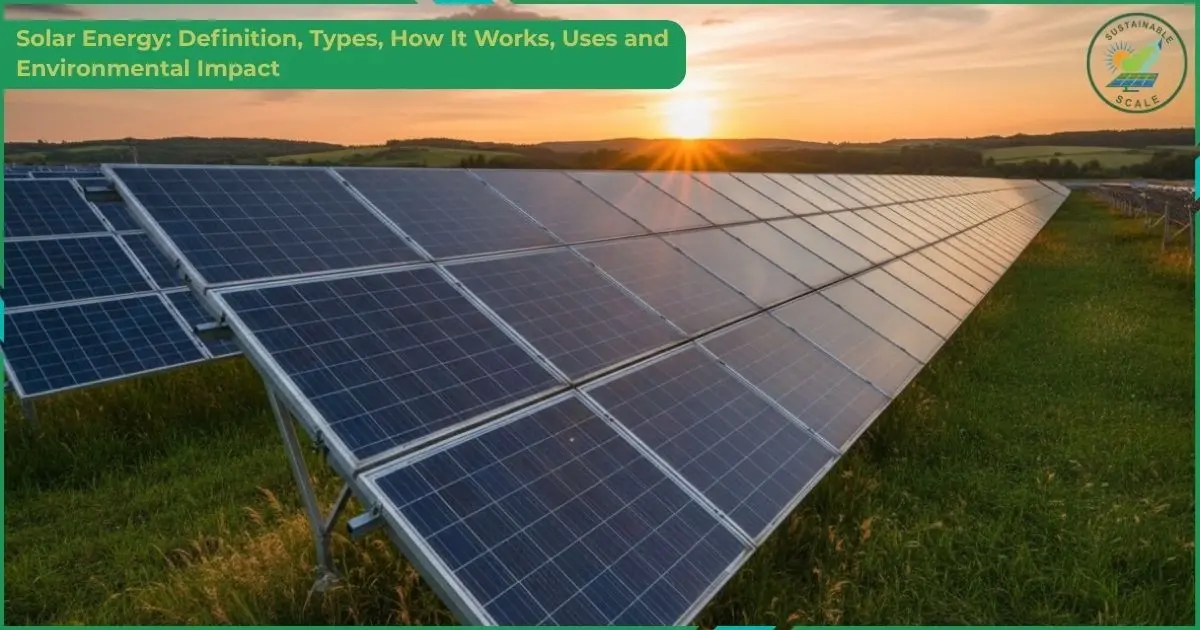

Solar energy is the natural light and heat from the Sun that is captured and transformed into usable power for various applications on Earth. A solar power system works by converting sunlight into electricity using solar panels that produce direct current, which is then converted to alternating current for household and industrial use.
Solar energy types are two primary categories such as photovoltaic (PV) solar energy, which directly converts sunlight into electricity, and solar thermal energy (STE), which captures heat for water heating, space heating and industrial processes. Additional solar energy types include concentrated solar power (CSP), passive solar energy and Building Integrated Photovoltaics (BIPV).
The uses of solar energy are diverse, from electricity generation and water heating to powering industrial processes, outdoor equipment and space technologies. Solar energy reduces carbon emissions, lowers energy bills, improves air quality and enhances energy independence. The drawbacks of solar energy include high initial costs, weather dependence, space requirements and environmental concerns related to panel production and disposal.
Solar energy, known as solar power, is the radiant energy emitted by the Sun that is harnessed and converted into usable forms of energy, such as heat and electricity, through various technologies. Solar energy is captured and used mainly in three methods, such as photovoltaic (PV) systems, solar thermal systems and concentrated solar power systems.
Solar energy is the light and heat that reach the Earth from the Sun. This energy originates from nuclear fusion reactions within the Sun, where hydrogen atoms combine to form helium. It releases immense amounts of energy that travel through space and arrive at Earth as sunlight. The sunlight consists of visible light, infrared (heat) and small amounts of ultraviolet radiation.
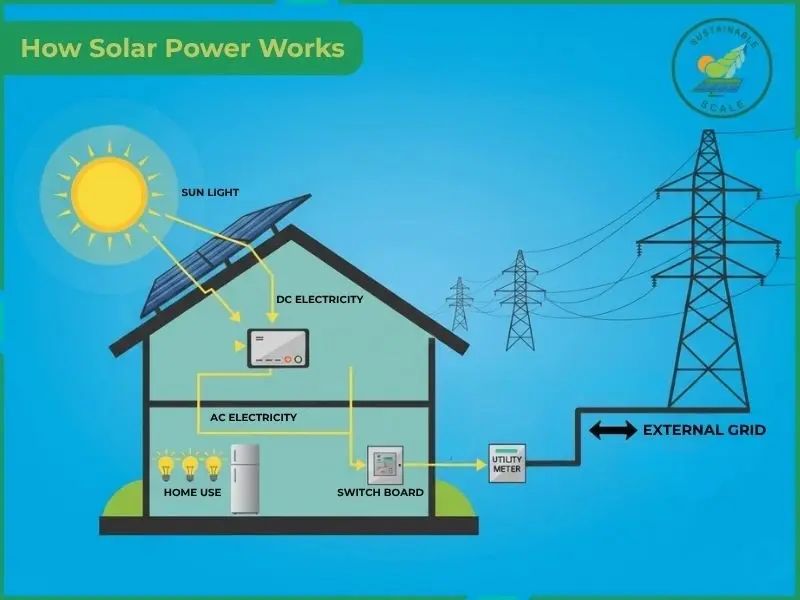
A solar power system works by converting sunlight into usable solar power electricity through a series of steps. The photovoltaic cells inside absorb the light when sunlight strikes solar panels and generate direct current (DC) electricity as energized electrons flow through the material. Most homes and appliances use alternating current (AC). This DC electricity is sent to an inverter, which transforms it into AC power. The AC solar powered electricity is then distributed through the building electrical panel, which makes it available for everyday use, such as lighting, appliances and electronics. Any excess electricity is fed back into the grid or stored for later use.
There are 5 types of solar energy, and two are the main types including photovoltaic (PV) solar energy and solar thermal energy (STE). The other three types of solar energy are concentrated solar power (CSP), passive solar energy and Building Integrated Photovoltaics (BIPV).
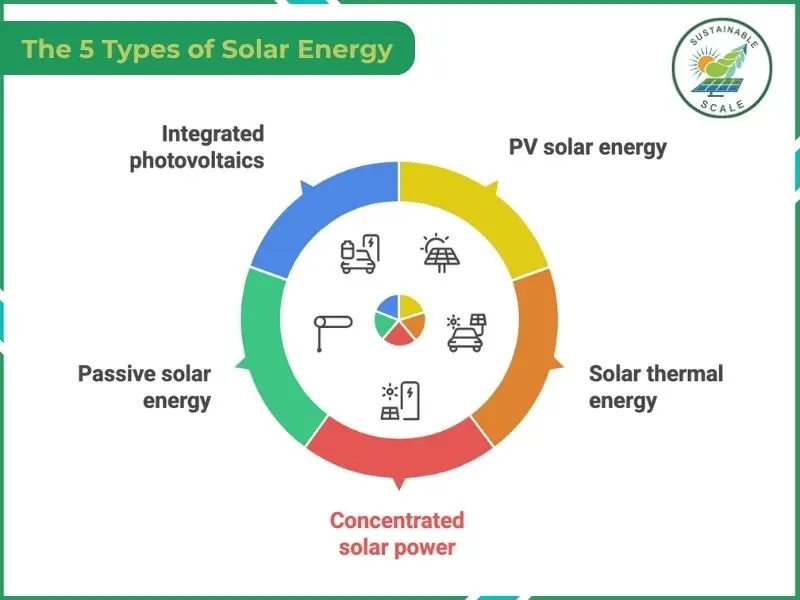
5 types of solar energy are listed below.
Photovoltaic (PV) solar energy is a renewable energy technology that converts sunlight directly into electricity using semiconductor materials like silicon, through the photovoltaic effect. When sunlight strikes PV cells within solar panels, photons energize electrons, generating a flow of direct current (DC) electricity, which is then converted to alternating current (AC) for use in homes and businesses. PV systems are scalable, environmentally friendly and can power anything from small devices to entire buildings.
Solar thermal energy (STE) is a technology that captures the sun’s heat and converts it into thermal energy, which can be used for heating water, space heating, industrial processes or generating electricity through steam turbines. STE uses solar collectors, such as flat-plate collectors or mirrors to concentrate sunlight and heat a fluid, unlike photovoltaic systems that produce electricity directly. This heat is stored and used when needed which makes STE a versatile and renewable energy source for both residential and industrial applications.
Concentrated solar power (CSP) is a renewable energy technology that uses mirrors or lenses to focus sunlight onto a receiver, where the concentrated solar energy heats a fluid to produce steam. This steam drives a turbine to generate electricity, similar to conventional thermal power plants. CSP systems incorporate thermal energy storage and allows them to supply electricity even when the sun is not shining which makes them a flexible and dispatchable source of renewable power. CSP is primarily used for utility-scale electricity generation.
Passive solar energy is a design approach that uses a building’s architecture, such as south-facing windows, thermal mass materials like concrete or brick and strategic shading to capture, store and distribute the sun’s heat naturally for heating and cooling, without relying on mechanical or electrical devices. Passive solar systems help maintain comfortable indoor temperatures and reduce the need for artificial heating or cooling by optimizing window placement, insulation and ventilation. It lowers energy costs and environmental impact in the long run.
Building Integrated Photovoltaics (BIPV) are solar power-generating systems that are seamlessly incorporated into a building’s envelope, such as roofs, façades or windows to replace traditional construction materials. BIPV modules serve a dual function by both generating electricity from sunlight and providing building features like weather protection, thermal insulation and daylight illumination. These systems can be installed during new construction or retrofitted onto existing buildings to offer both aesthetic integration and sustainable energy production.
Solar energy is used for electricity generation, large-scale power generation, lighting, cooking, heating and cooling, industrial process heat, solar water heating, outdoor and recreational uses and space applications. Solar energy is a versatile and sustainable resource that is used in daily life.
The uses of solar energy are listed below.
Solar energy has both positive and negative environmental impacts. The environmental advantages of solar energy include reduced greenhouse gas emissions and air pollution because it generates electricity without burning fossil fuels or releasing harmful pollutants. Solar energy helps combat climate change, improves air quality and promotes resource efficiency by providing clean, renewable power. It uses little to no water during operation compared to conventional power plants. Solar energy supports sustainable development by reducing reliance on limited natural resources and promoting a cleaner and healthier environment for communities.
Solar energy also has some negative environmental impacts, as the manufacturing and production of solar panels require energy intensive processes and hazardous materials, which result in waste and emissions if not properly managed. Solar panels contribute to electronic waste at the end of their lifespan and improper disposal releases toxic substances like lead and cadmium into the environment. Large scale solar installations require land use which lead to habitat loss, land degradation and conflicts with agriculture or wildlife conservation. Water use for cleaning and cooling in some solar power plants also strains local water resources in arid regions. Solar energy offers substantial environmental benefits, while careful management of its lifecycle and siting is important to minimize its negative impacts.
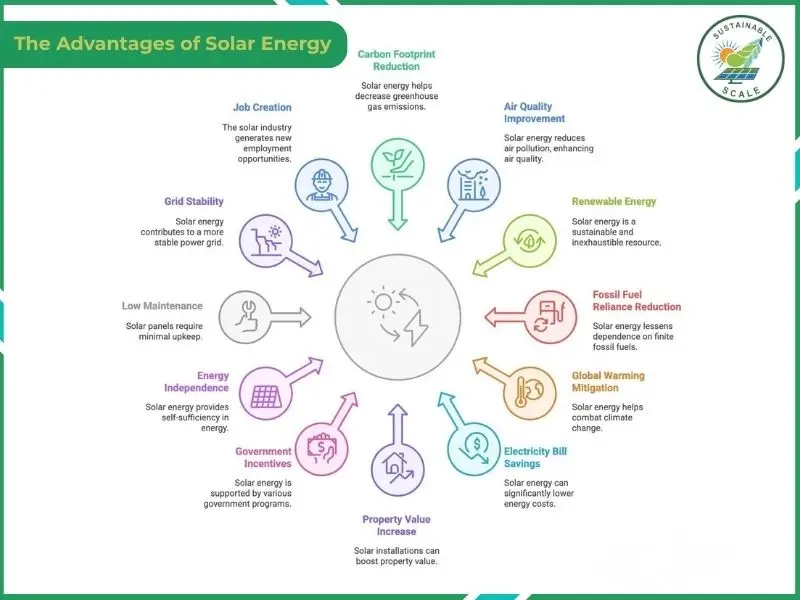
The benefits of solar energy are given below.
The infographic below shows twelve benefits of solar energy, including carbon footprint reduction, electricity bill savings, job creation, and energy independence.
The disadvantages of solar energy are given below.
Yes, solar energy is a renewable energy source because it relies on the sun, which provides a virtually limitless supply of energy that is naturally replenished every day. As long as the sun shines, which scientists estimate will continue for billions of years, solar energy will be available. This makes it a clean, sustainable alternative to fossil fuels that produces no harmful emissions and helps reduce our environmental impact.
Solar Renewable Energy Credits (SRECs) are certificates earned by homeowners or businesses for every 1,000 kilowatt-hours (1 megawatt-hour) of electricity their solar panels generate.
SRECs represent the environmental benefits of producing clean solar energy and are sold separately from the electricity itself. Utilities buy SRECs to meet state renewable energy requirements and provide solar owners with extra income in eligible states like New Jersey, Maryland and Washington D.C.
SREC (Solar Renewable Energy Credit) values in the U.S. vary by state and market conditions and the national average ranges from $30 to $60 per credit as of 2025, but some states pay much more. For example, New Jersey SRECs are around $85 to $188, Pennsylvania about $31 and Washington D.C. offers over $400 per SREC. Prices depend on state renewable energy policies, supply and demand and utility compliance requirements.
The source of solar energy is the sun. Solar energy comes from the radiant light and heat the sun emits, which is harnessed using technologies like solar panels (photovoltaic systems) to generate electricity or solar thermal collectors to produce heat. This energy is renewable, abundant and available everywhere on Earth which makes it a key resource for clean power generation in the United States and worldwide.
Yes, solar energy can generate electricity in any climate including cloudy, rainy or snowy days by capturing both direct and diffused sunlight. Cloudy weather reduces output of solar panels, but cold temperatures actually improve panel efficiency and snow melts off panels quickly. Overall, solar remains a reliable energy source nationwide.
Yes, solar energy is good for homes as it helps homeowners save money on electricity bills, increases property value and provides environmental benefits by reducing carbon emissions.
Solar panels also offer home solar energy independence and allow households to rely less on the traditional power grid. This is especially valuable during power outages or energy price spikes.
The average cost to install a home solar energy system in the U.S. in 2025 ranges from $25,000 to $45,000 before incentives according to EcoFlow, depending on system size, location and installer. The out-of-pocket cost drops to about $20,500 to $31,500 after applying the 30% federal solar tax credit. Additional state and local incentives lower solar energy costs further, while actual prices vary based on your home’s energy needs and installation specifics.