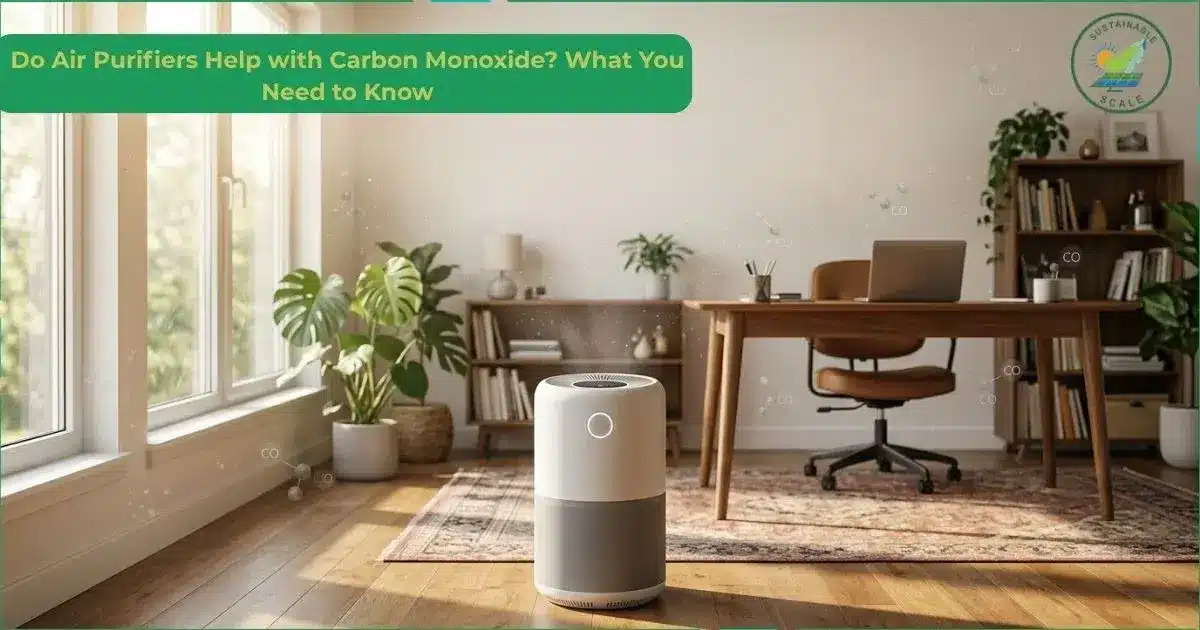
Do Air Purifiers Help with Carbon Monoxide? What You Need to Know

- Published Date - November 02, 2026
- Modified date - November 02, 2026
Table of Contents
No, Air purifiers do not help with carbon monoxide removal because carbon monoxide is a colorless, odorless, toxic gas formed when fuels burn incompletely. Carbon monoxide commonly comes from gas stoves, furnaces, fireplaces, generators, water heaters, vehicles and charcoal grills. Carbon monoxide is dangerous because it reduces oxygen delivery to vital organs that causes headache, dizziness, weakness, nausea, chest pain and, at high concentrations, loss of consciousness. Infants and children, pregnant people, older adults and people with heart disease, respiratory disease or anemia face greater risks.
Air purifiers do not capture or neutralize CO because HEPA filters remove airborne particles rather than gaseous carbon monoxide. Activated carbon filters in typical residential air purifiers also cannot reliably remove dangerous CO concentrations. You should remove carbon monoxide from indoor air by eliminating the source, moving everyone and pets to fresh outdoor air, ventilating the space when safe and having qualified professionals inspect fuel burning appliances and ventilation systems. You should never rely on an air purifier during an emergency.
CO detectors should monitor carbon monoxide while air purifiers reduce airborne particles such as dust, smoke and allergens. You should install CO detectors near sleeping areas and on every home level, while positioning air purifiers where air circulates freely. You should respond to a CO alarm immediately by leaving the building, moving to fresh outdoor air and contacting emergency services or qualified professionals. You should reenter only after professionals confirm that the space is safe.
What is carbon monoxide?
Carbon monoxide is a colorless, odorless, toxic gas produced by the incomplete combustion of carbon based fuels. It has the chemical formula CO, with one carbon atom bonded to one oxygen atom. Carbon monoxide forms when gasoline, natural gas, propane, wood or charcoal burn without enough oxygen for complete combustion. It forms in vehicle engines, furnaces, stoves and open flames when combustion is incomplete.
Carbon monoxide forms more easily when appliances have blocked vents, cracked heat exchangers or insufficient air supply. It has no color, odor or taste, so human senses do not detect it. A carbon monoxide detector or alarm measures rising CO concentrations electronically and sounds an audible warning when levels become dangerous.
What are the common sources of carbon monoxide?
The common sources of carbon monoxide are gas stoves and ovens, furnaces and boilers, fireplaces and wood stoves, portable generators and gas water heaters. These sources produce carbon monoxide when fuels such as natural gas, propane, gasoline or wood burn incompletely because of faulty components or inadequate ventilation.
The common sources of carbon monoxide are outlined below.
- Gas stoves and ovens: Carbon monoxide forms when natural gas or propane burns incompletely because faulty components or inadequate ventilation limit the oxygen available for proper combustion inside kitchens.
- Furnaces and boilers: Carbon monoxide forms when faulty components, cracked heat exchangers or burner problems disrupt combustion and allow combustion gases to escape indoors instead of venting safely outside.
- Fireplaces and wood stoves: Carbon monoxide forms during wood combustion, especially when blocked chimneys, creosote buildup or inadequate ventilation restrict airflow and prevent combustion gases from escaping properly.
- Portable generators: Carbon monoxide forms from gasoline combustion and accumulates rapidly when faulty components, inadequate ventilation or generator placement near windows allows exhaust gases indoors.
- Gas water heaters: Carbon monoxide forms when natural gas or propane burns incompletely because faulty components or inadequate ventilation disrupt combustion and allow exhaust gases to accumulate indoors.
- Cars and other vehicles: Carbon monoxide forms during gasoline combustion and becomes dangerous when faulty components, engine exhaust or inadequate ventilation allow emissions to enter enclosed spaces.
- Charcoal grills: Carbon monoxide forms during charcoal combustion and accumulates quickly because inadequate ventilation prevents combustion gases from escaping, making indoor or enclosed use extremely hazardous.
- Fuel burning space heaters: Carbon monoxide forms when natural gas or propane burns incompletely because faulty components or inadequate ventilation reduce oxygen availability and allow combustion gases to accumulate indoors.
Why is carbon monoxide dangerous?
Carbon monoxide (CO) is dangerous because it displaces oxygen in the bloodstream and prevents vital organs from receiving the oxygen they need to function. CO enters the bloodstream through the lungs and binds to hemoglobin 200 times more readily than oxygen, forming carboxyhemoglobin. It reduces the blood’s ability to carry oxygen to the heart, brain and other organs, which causes an oxygen shortage at the cellular level.
Carbon monoxide causes symptoms such as headache, dizziness, weakness, nausea and chest pain, which resemble flu-like illness. It also causes loss of consciousness within minutes at higher concentrations, while prolonged exposure results in heart injury or brain damage. Carbon monoxide poisoning causes more than 400 unintentional deaths in the United States each year, according to the CDC.
Who is most at risk from carbon monoxide?
The people most at risk from carbon monoxide are infants and children, pregnant people, older adults, heart disease patients, respiratory disease patients and people with anemia. These groups face amplified harm because reduced physiological reserves and higher oxygen demand accelerate the effects of oxygen deprivation.
The people most at risk from carbon monoxide exposure are outlined below.
- Infants and children: Infants and children have developing organs and faster breathing rates, which makes them more vulnerable to oxygen deprivation from carbon monoxide exposure than adults.
- Pregnant people: Pregnant people face elevated risk because fetal hemoglobin binds carbon monoxide more readily than adult hemoglobin, which reduces oxygen delivery to the developing fetus during exposure.
- Older adults: Older adults have reduced cardiovascular and respiratory reserves, which limits their ability to compensate for oxygen deprivation and increases the severity of carbon monoxide exposure effects.
- Heart disease patients: Heart disease patients have existing cardiovascular limitations, which increases the effects of carbon monoxide exposure by placing additional strain on the heart during oxygen deprivation.
- Respiratory disease patients: Respiratory disease patients have impaired lung function, which limits oxygen transfer into the bloodstream and worsens the oxygen shortage caused by carbon monoxide exposure.
- People with anemia: People with anemia have less hemoglobin available for oxygen transport, which reduces their remaining oxygen carrying capacity more quickly during carbon monoxide exposure.
- Sleeping people: Sleeping people do not notice early carbon monoxide poisoning symptoms, which allows dangerous concentrations to build while they remain asleep and unable to escape exposure.
- Fuel burning workers: Fuel burning workers face repeated exposure to combustion equipment, which increases carbon monoxide exposure risks in enclosed or poorly ventilated work areas.
Can air purifiers help with carbon monoxide removal?
No, air purifiers can not help with carbon monoxide removal because they do not capture or neutralize CO or reliably monitor CO concentrations. Air purifiers use particle filters that do not remove gaseous carbon monoxide from indoor air. They contain HEPA filters that remove particles such as dust, pollen and smoke. Those filters do not capture carbon monoxide molecules because the gas passes through their filter fibers.
Air purifiers with activated carbon filters contain insufficient carbon media to adsorb meaningful amounts of carbon monoxide because the gas bonds weakly to the carbon surface. They do not neutralize the gas chemically, which means carbon monoxide passes through the filtration system without being removed. Air purifiers therefore do not control indoor CO buildup, making proper ventilation and a certified carbon monoxide detector necessary for detecting carbon monoxide.
How to remove carbon monoxide from indoor air?
To remove carbon monoxide from indoor air, eliminate the CO source, move to fresh air, ventilate the indoor space and turn off fuel burning equipment. These steps stop further gas production while ventilation clears carbon monoxide already trapped indoors.
The ways to remove carbon monoxide from indoor air are outlined below.
- Eliminate the CO source: Shut off the malfunctioning appliance or vehicle producing carbon monoxide, then remove the source from operation before taking further action to prevent additional gas production indoors.
- Move to fresh air: Take everyone and pets outside immediately, since carbon monoxide concentrations do reach dangerous levels within minutes and fresh outdoor air reduces continued exposure to the gas.
- Ventilate the indoor space: Open doors and windows to increase outdoor air exchange and dilute remaining carbon monoxide concentrations, while avoiding reentry until the space is considered safe.
- Turn off fuel burning equipment: Shut off stoves, heaters, generators and other fuel burning equipment to stop additional carbon monoxide from entering indoor air during an exposure event.
- Inspect combustion appliances: Have a qualified technician inspect combustion appliances for cracked heat exchangers, faulty burners, blocked vents and other problems that cause incomplete combustion and carbon monoxide production.
- Clear blocked vents: Remove debris, snow, creosote and other obstructions from vents and chimneys to restore proper exhaust airflow and prevent carbon monoxide from accumulating indoors again.
- Use catalytic oxidation systems: Use specialized catalytic oxidation systems to convert carbon monoxide into carbon dioxide through a chemical catalyst reaction when controlled settings require dedicated gas treatment equipment.
- Install CO detectors: Install CO detectors near sleeping areas and on every home level to monitor CO concentrations continuously and provide early warning when dangerous carbon monoxide buildup occurs.
How to use air purifiers and CO detectors together?
To use air purifiers and CO detectors together, place CO detectors correctly, position and run air purifiers properly, monitor CO levels, respond to alarms and maintain both devices. This combination supports indoor air quality without treating air purifiers as CO protection.
Best practices to use air purifiers and CO detectors together are outlined below.
- Place the CO detector: Place CO detectors near sleeping areas and on every home level, following manufacturer instructions, while keeping alarms unobstructed so everyone responds quickly to dangerous carbon monoxide concentrations.
- Position the air purifier: Position air purifiers centrally where room air circulates freely, while keeping them away from walls and furniture that obstruct airflow and limit effective particle filtration indoors.
- Run the air purifier: Run air purifiers continuously to reduce airborne particles such as dust, smoke and allergens, while remembering that they donot detect or remove carbon monoxide from indoor air.
- Monitor CO levels: Monitor carbon monoxide levels through CO detectors and respond to alarms promptly, while air purifiers provide no comparable gas detection function and donot replace dedicated monitoring devices indoors.
- Respond to CO alarms: Respond to CO alarms immediately by taking everyone and pets outside, then contacting emergency services or qualified professionals instead of relying on air purifiers to remove carbon monoxide.
- Maintain both devices: Maintain air purifiers and CO detectors regularly, while having a qualified technician inspect fuel burning appliances, obstructed chimneys and ventilation systems that do contribute to carbon monoxide buildup indoors.
How to prevent carbon monoxide buildup indoors?
To prevent carbon monoxide buildup indoors, inspect fuel burning appliances, maintain combustion equipment, vent appliances properly and clear blocked vents. Avoid indoor combustion, keep vehicles outdoors, install detectors and test them regularly.
Tips to prevent carbon monoxide buildup indoors are given below.
- Inspect fuel burning appliances: Inspect fuel burning appliances such as furnaces, boilers and water heaters annually to identify incomplete combustion and prevent dangerous carbon monoxide levels from developing indoors.
- Maintain combustion equipment: Maintain combustion equipment regularly to identify worn components and damaged heat exchangers that cause carbon monoxide leaks and increase indoor exposure risks.
- Vent combustion appliances: Vent combustion appliances properly to the outdoors, which ensures flues and chimneys direct exhaust gases away from occupied indoor spaces and prevent carbon monoxide buildup.
- Clear blocked vents: Clear blocked vents and chimneys regularly to remove obstructions that restrict exhaust airflow and allow carbon monoxide to accumulate inside the home.
- Avoid indoor combustion: Avoid using charcoal grills, portable generators and gasoline powered tools indoors because these devices release carbon monoxide rapidly when operated in enclosed spaces.
- Keep vehicles outdoors: Keep vehicles outdoors while engines operate or open the garage door when necessary, because vehicle exhaust causes carbon monoxide concentrations to rise rapidly.
- Install CO detectors: Install CO detectors on every level of the home and near sleeping areas following manufacturer instructions to provide early warning of dangerous carbon monoxide buildup.
- Test CO detectors regularly: Test CO detectors regularly to confirm that alarms and batteries function correctly, which helps detect carbon monoxide emergencies before prolonged exposure causes serious harm.
How often should I test carbon monoxide detectors?
You should test carbon monoxide detectors at least once a month, based on the manufacturer’s instructions for the specific model installed. Press the test button until an audible alarm sounds to confirm the electronics, horn and battery function correctly. Replace batteries and aging detectors on schedule to maintain reliable protection.
Where should carbon monoxide detectors be placed?
Carbon monoxide detectors should be placed near sleeping areas and on every level of the home, such as basements. They should be positioned within ten feet of bedroom doors so the alarm wakes sleeping occupants immediately. These detectors should be installed with additional detectors near attached garages and fuel burning appliances to provide earlier warning where carbon monoxide risk concentrates most.
Do air purifiers detect carbon monoxide leaks?
No, air purifiers do not detect carbon monoxide leaks because they are designed to filter particles such as dust, smoke and pollen from indoor air, not to monitor CO concentrations. Air purifiers lack the sensors needed to detect carbon monoxide or other gases like volatile organic compounds, so a dedicated CO detector remains essential.
Can air purifiers prevent carbon monoxide buildup?
No, air purifiers can not prevent carbon monoxide buildup because they do not capture or neutralize CO. Air purifiers with HEPA and activated carbon filters capture particles and smoke produced by combustion, but they do not remove carbon monoxide gas. They require proper ventilation, appliance maintenance and a certified carbon monoxide detector to prevent and detect dangerous CO buildup.
Is it safe to rely on an air purifier instead of a carbon monoxide detector?
No, it is not safe to rely on an air purifier instead of a carbon monoxide detector. Air purifiers neither detect nor remove carbon monoxide because their filters only reduce particles or odors. Carbon monoxide does remain undetected and reach dangerous concentrations without a dedicated CO detector or any visible or noticeable warning.
Are air purifiers worth buying for carbon monoxide?
No, air purifiers are not worth buying for carbon monoxide protection. Air purifiers with HEPA or activated carbon filters do not remove or neutralize CO, since the gas is too small and chemically stable for standard filtration media to capture it. They still improve general indoor air quality, but they do not substitute for a certified carbon monoxide detector.
What should I do if a carbon monoxide detector goes off?
If a carbon monoxide detector goes off, immediately leave the building, taking everyone and pets with you to fresh outdoor air. Call emergency services once safely outside and avoid re-entering until qualified professionals confirm the space is safe. Do not stop to investigate the source or open windows before evacuating.
Does carbon monoxide affect air quality?
Yes, carbon monoxide affects air quality because it is a toxic indoor air pollutant produced mainly by incomplete fuel combustion. It can accumulate indoors when fuel-burning appliances, heating systems or vehicles operate without adequate ventilation. Elevated carbon monoxide levels make indoor air unsafe and require immediate attention.
Products
Solar Panel
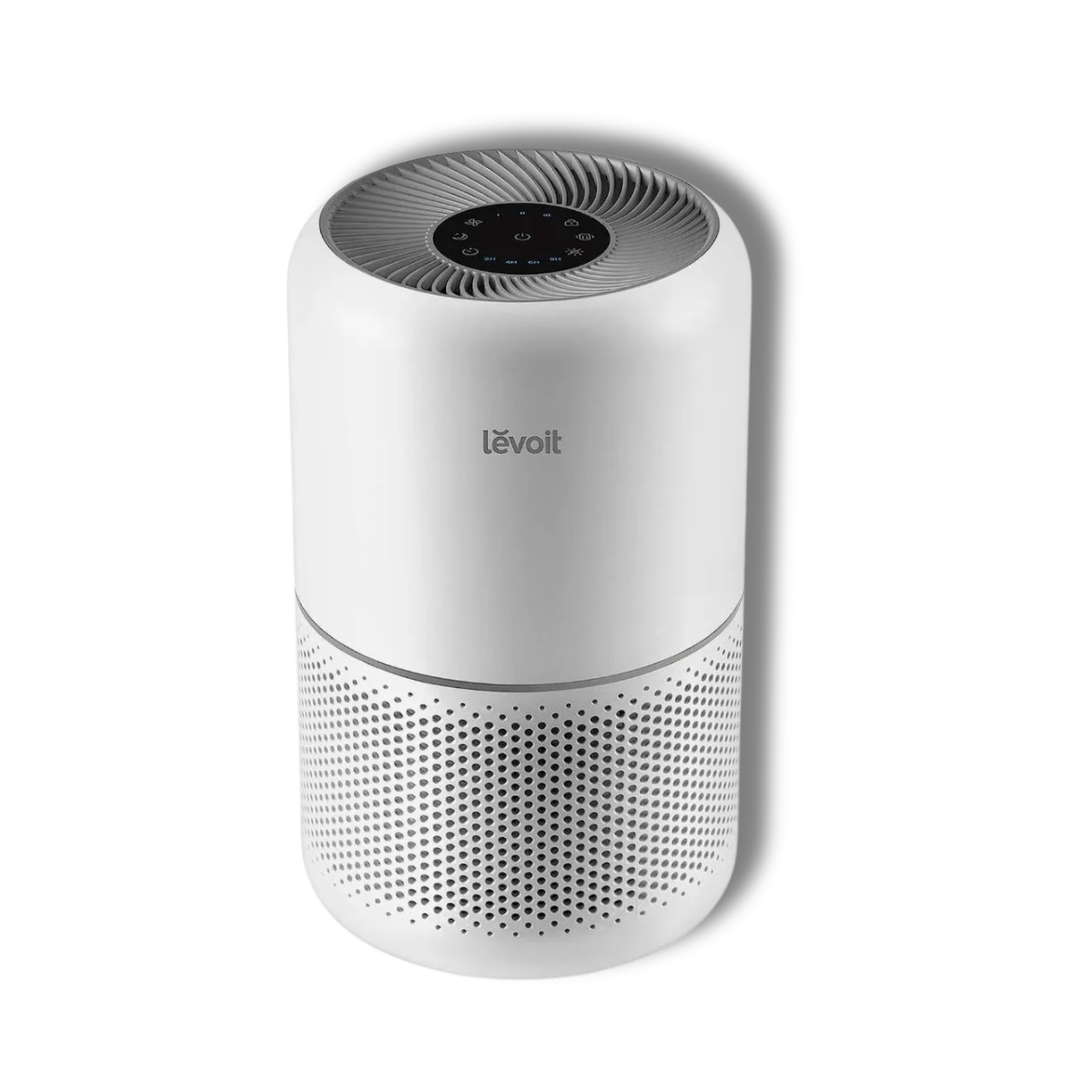
Air Purifier