Are Dehumidifiers Worth It? Should you get one?

- Published Date - November 01, 2026
- Modified date - November 01, 2026
Table of Contents
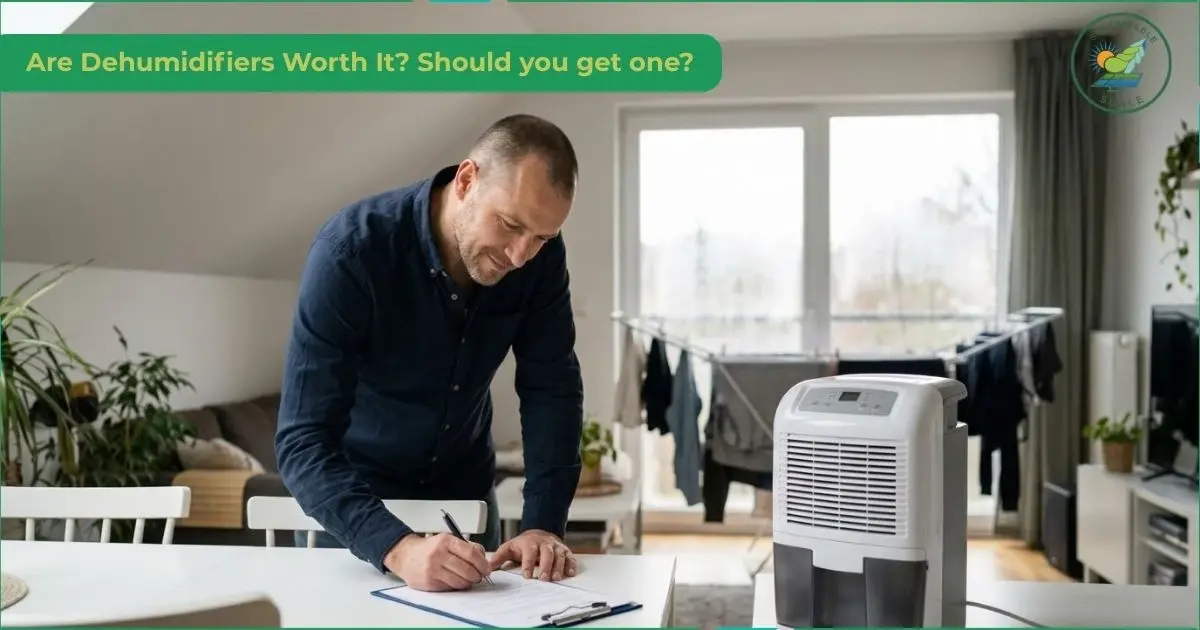
Dehumidifiers are worth it when indoor humidity becomes a persistent problem that affects comfort, health and building conditions. They are especially useful when homes have persistent dampness inside your home that affects comfort and air quality. They are also useful when your basement or crawl space stays moist due to trapped humidity or poor ventilation. Dehumidifiers are worthwhile when you often dry clothes indoors, which increases moisture levels in living spaces. They are needed when your allergies get worse in humid rooms because of higher allergen levels. Dehumidifiers are helpful when you see mold, mildew or smell musty odors caused by excess moisture. They are important when you notice dust mites or moisture loving pests in your home.
Dehumidifiers also have side effects such as creating overly dry air that irritates the skin, throat and respiratory system. They release warm air, slightly increasing the room temperature and produce noise during operation. Dehumidifiers contribute to discomfort or health issues if not properly maintained or adjusted. They are not suitable for drinking water production, as collected water contains contaminants.
Dehumidifiers cost range from 40 USD to 450 USD, which depends on capacity and features. They are available through appliance retailers, hardware stores and online marketplaces. Dehumidifiers are most valuable in humid environments where indoor moisture control, comfort and protection of home materials are needed.
When are dehumidifiers worth it?
Dehumidifiers are worth it when you have persistent dampness, your basement or crawl space stays moist, allergens get worse and you see mold, mildew or smell musty rooms. They address HVAC humidity removal limitations and reduce mold and moisture damage.
The situations when dehumidifiers are worth it are listed below.
- You have persistent dampness inside your home
- Your basement or crawl space stays moist
- You often dry clothes indoors
- Your allergens get worse in humid rooms
- You see mold, mildew or smell musty rooms
- You notice dust mites or moisture loving odors
- Your home feels sticky, humid or uncomfortable
1. You have persistent dampness inside your home
Dehumidifiers help reduce persistent dampness inside the home when high humidity builds up in living areas. They manage excess moisture caused by leaks, plumbing issues or previous water damage, but do not fix the underlying structural cause. Dehumidifiers lower indoor humidity in humid climates and help reduce the risk of damage to walls, floors and furnishings. They also help reduce odors and limit conditions that support mold growth and allergen buildup in damp rooms.
2. Your basement or crawl space stays moist
Dehumidifiers are useful when basements or crawl spaces stay moist, especially in low lying areas of a home with drainage issues. They control moisture in sealed crawl spaces where trapped humidity can affect foundations. They also support sump pump performance by removing lingering dampness after heavy rain or groundwater seepage. Dehumidifiers help prevent peeling paint, staining and wood warping on walls, floors and structural elements in these chronically damp areas.
3. You often dry clothes indoors
Dehumidifiers are useful when you dry clothes indoors and need cost efficient drying without overusing heating or cooling systems. They reduce drying time by lowering the room humidity around hanging garments. Dehumidifiers also include a laundry mode that increases airflow and improves moisture removal during indoor drying. They help protect delicate fabrics by reducing damp conditions that cause odors, dye transfer and fiber damage in frequently used areas.
4. Your allergies get worse in humid rooms
Dehumidifiers are useful for reducing allergen exposure in humid rooms by lowering humidity and reducing airborne irritants. They reduce excess moisture that supports dust mites, mold spores and other allergens in living spaces. They also help reduce asthma triggers by keeping indoor air drier in bedrooms, living rooms and other occupied areas. Dehumidifiers limit condensation on windows and surfaces, which reduces damp patches where allergens and microbial growth can develop.
5. You see mold, mildew or smell musty odors
Dehumidifiers are useful when mold, mildew or musty odors appear in areas with ongoing dampness. They remove excess moisture that builds up beneath floor coverings and affects subfloors. They also reduce condensation on walls, windows and baseboards where mold colonies commonly spread. Dehumidifiers help eliminate lingering odors by drying porous materials and lowering humidity in problem areas that remain damp for long periods.
6. You notice dust mites or moisture-loving pests
Dehumidifiers are useful when you notice dust mites or moisture loving pests in bedrooms, living rooms and other occupied spaces. They lower humidity levels that allow dust mites to thrive in carpets, mattresses and upholstery. They also help reduce respiratory symptoms such as sneezing, coughing and congestion by keeping indoor air drier. Dehumidifiers discourage pests like cockroaches and centipedes through drying damp cracks, wall voids and hidden storage areas throughout the home.
7. Your home feels sticky, humid or uncomfortable
Dehumidifiers are useful when your home feels sticky, humid or muggy because excess moisture makes indoor spaces feel warmer and less comfortable. They improve comfort by lowering indoor humidity and making temperatures feel cooler at the same thermostat setting. They also help reduce respiratory irritation by limiting damp air that aggravates sensitive airways. Dehumidifiers support AC performance in humid climates while helping protect building materials from moisture related damage.
What are the side effects of the dehumidifier?
The side effects of the dehumidifier include causing overly dry symptoms, irritating the respiratory system, spreading mold or bacteria, raising room temperature and creating unwanted noise. These issues affect indoor comfort and daily living conditions during regular use.
The side effects of dehumidifiers are given below.
- Causes overly dry air symptoms: A dehumidifier creates overly dry indoor air that can irritate the skin, throat and nasal passages during continuous use in enclosed spaces. It increases discomfort in naturally dry climates.
- Irritates the respiratory system: A dehumidifier irritates sensitive lungs and sinuses when humidity levels become too low. It worsens dryness related coughing and makes breathing feel uncomfortable during long operating cycles.
- Spreads mold or bacteria without proper cleaning: A dehumidifier spreads mold or bacteria when coils, filters or water reservoirs are not cleaned regularly. It circulates contaminated air during normal operation.
- Raises room temperature: A dehumidifier raises room temperature by releasing warm exhaust air while removing moisture. It makes small rooms feel warmer when cooling demand is already high.
- Creates unwanted noise: A dehumidifier produces unwanted noise from fans, compressors and vibration during operation. It disturbs sleep, focus or quiet indoor environments such as bedrooms or offices.
Can a dehumidifier make you sick?
Yes, a dehumidifier can make you sick when it is not properly maintained and over dries the air. It increases health risks when dirty parts hold contaminants that recirculate indoors. It causes discomfort by drying out skin, eyes and airways in regularly occupied rooms.
Can you drink water from a dehumidifier?
No, you cannot drink water from a dehumidifier because it is unsafe for human and pet consumption. A dehumidifier collects moisture from indoor air, which contains dust, bacteria, mold spores and other contaminants. The water is not filtered or purified, which makes it unsuitable for drinking or cooking purposes.
How does a dehumidifier affect your home?
A dehumidifier affects your home by reducing excess moisture, making the air feel cooler and supporting protection in vulnerable areas. It improves breathing comfort for occupants and helps protect household materials such as furniture and finishes. It also increases indoor comfort and improves energy efficiency by reducing the load on cooling systems.
How do dehumidifiers work with your AC?
Dehumidifiers work with your AC by providing humidity support and this partnership reduces moisture load. Dehumidifiers maintain a cooling comfort balance in rooms and AC cools the air. They together remove extra moisture so the room feels cooler and thermostat comfort improves.
Should you get a dehumidifier?
Yes, you should get a dehumidifier if your home struggles with high humidity levels. It improves comfort in damp or sticky spaces, protects home materials and reduces moisture related issues. It also helps dry clothes faster indoors and prevents lingering dampness in fabrics and rooms.
How much is a dehumidifier?
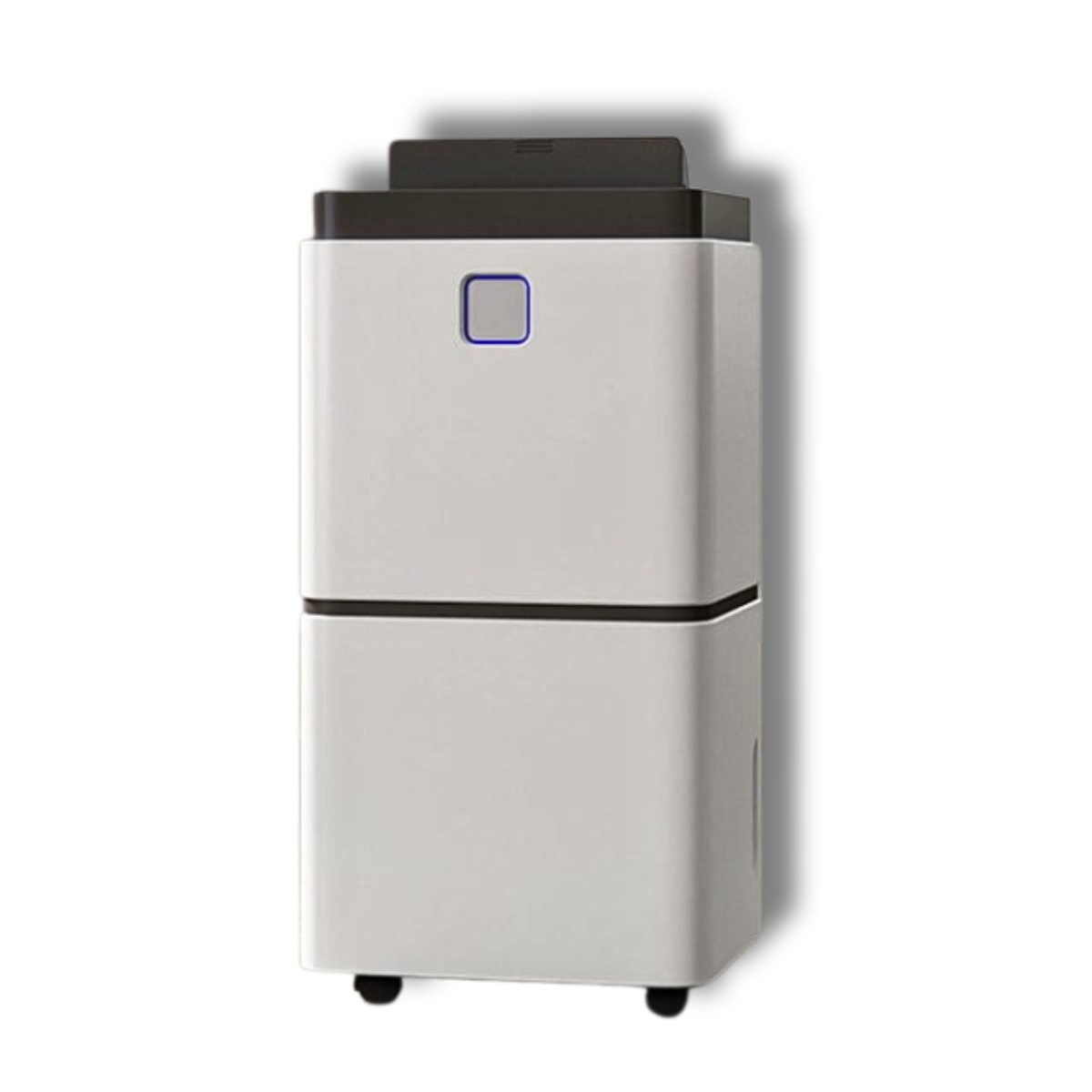
A dehumidifier costs about $40 to $450 for most portable home models, while premium or whole house units cost much more. Small room models range from $40 to $100, medium room units cost around $130 to $300 and large room models range from $230 to $450. They include smart controls, auto shut off and a drain hose option for easier operation. Their purchase cost and monthly running expense increase with higher dehumidifier capacity.
Where to buy a dehumidifier?
A dehumidifier can be purchased from appliance retailers, online marketplaces or local hardware stores. It is important to check customer reviews, product specifications and warranty details before making a purchase.
Products
Solar Panel
Air Purifier