
Solar panels are low-maintenance systems, but regular upkeep is important to maximize their efficiency and lifespan. Cleaning solar panels every 6 to 12 months removes dirt and debris, while inspections check for damage or loose connections, and monitor track energy output. Maintenance frequency varies by location, with dustier areas needing more frequent care.
The solar panel maintenance cost averages $150 to $500 yearly, which covers cleaning, inspections and minor repairs. Common issues like dust buildup, shading or equipment failures require repairs, but tips such as trimming vegetation and checking system components help maintain efficiency. Solar panels perform reliably for 25 to 30 years.
This guide summarizes the key aspects of solar panel maintenance and covers how to spot and address common maintenance issues such as dirt buildup, damage, loose connections and drops in performance. You can make sure your solar panels operate at peak efficiency and protect your investment for years to come, by following these recommendations.
What are the steps for solar panel maintenance?
The steps for solar panel maintenance include regularly inspecting panels for damage or debris, cleaning them with water and a soft cloth, trimming nearby vegetation and monitoring energy output for any irregularities. It is important to check wiring and mounts, watch for pests and schedule periodic professional inspections for optimal solar system performance.
The steps for solar panel maintenance are listed below.
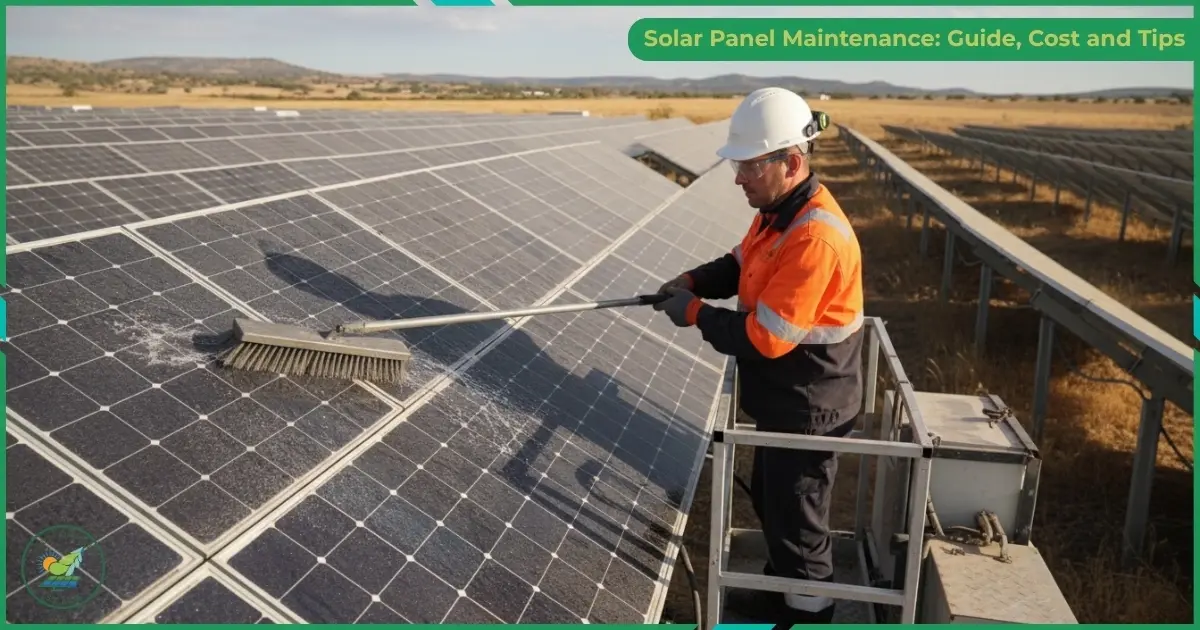
- Cleaning: Clean solar panels every 6 to 12 months, or more often in dusty or polluted areas. Use soft brushes, mild soap, and water which are ideal in the early morning or late evening to avoid sunlight heats and streaks. Rain helps, but manual cleaning is best for optimal sunlight absorption.
- Inspection: Conduct regular visual inspections for physical damage, shading from nearby trees and loose connections. Check for cracks, corrosion or exposed wiring and schedule an annual professional inspection for thorough safety and performance checks.
- Monitoring: Regularly monitor your solar system’s electricity output. Use monitoring tools to detect drops in production, which may signal issues with sunlight access, cleanliness or system health.
How to clean a solar panel?
To clean a solar panel, remove dirt with mild soap and water, use soft tools and avoid harsh chemicals or high pressure. Safety and regular checks are important for optimal performance of PV panels.
The steps for solar panel cleaning are given below.
- Gather supplies: Collect soft brushes, mild soap, water and a hose or bucket before starting cleaning solar panels.
- Initial rinse: Rinse PV panels with plain water to loosen dust and debris without scratching the surface.
- Scrub: Gently scrub panels with a soft brush or cloth and mild soap to remove stubborn dirt.
- Rinse thoroughly: Rinse off soap and debris with clean water and make sure no residue remains on the photovoltaic panels.
- Air dry: Let panels air dry naturally to prevent streaking and avoid using abrasive materials.
- Safety first: Always turn off the PV system and use proper safety gear if working at height.
- Avoid harsh chemicals: Use only mild detergent or glass cleaner, as harsh chemicals can damage solar coatings.
- Use water: Use deionized or distilled water if possible to prevent mineral deposits from tap water on your solar panels.
Experts recommend cleaning solar panels every 6 to 12 months, or more often in dusty or polluted areas. You need to consider professional cleaning for hard-to-reach or unsafe solar panel installations.
How do you inspect your solar panels?
To inspect your solar panels, follow the steps listed below.
- Visual inspection: Carefully examine your PV panels for physical damage such as cracks, chips or discoloration. Check for debris, inspect for shading from nearby trees or objects, and look over wire and connections for signs of wear or corrosion. Inspect the inverter for warning lights or faults, and examine exterior roof penetrations for a secure and weatherproof installation.
- Electrical testing: Use a multimeter to test DC voltage and current, conduct thermography to identify hotspots, and check the inverter display for error messages or abnormal readings. These tests help detect faulty connections, underperforming panels or hidden electrical issues.
- Energy output monitoring: Regularly check the solar meter, review your home’s energy consumption and record the system’s energy output over time. This helps identify drops in production that may signal the need for cleaning, repair or further investigation.
How to monitor the health of your solar panels?
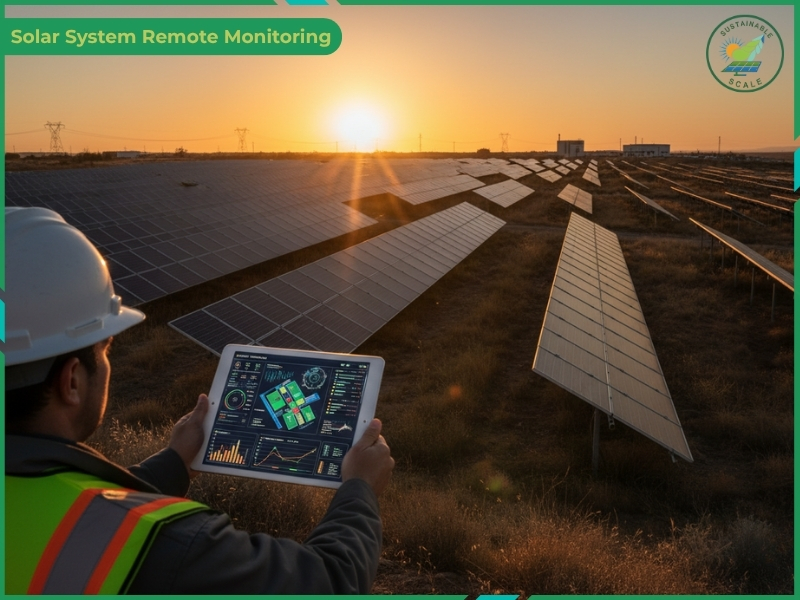
To monitor the health of your solar panels, start with a solar monitoring system, which collects real-time data on energy production, voltage, current and system efficiency. Solar monitoring systems are accessible via smartphone apps or web portals, so you can analyze the performance data of your solar panels to spot drops in output or unusual patterns, which indicate shading, equipment malfunctions or maintenance needs.
Check your inverter regularly and review its display for error messages and note any unusual noises or overheating, as inverter issues affect overall performance.
Regularly inspect your solar panels for physical damage, debris or shading, as these issues reduce energy output and require immediate attention. A professional inspection once a year helps keep the system safe and running efficiently, especially if issues are identified during checks or through monitoring data. This proactive approach keeps your solar system running efficiently and reliably.
The image below shows a man remotely monitoring the health of solar panels.
What is the maintenance frequency for solar panels?
The maintenance frequency for solar panels is cleaning two to four times per year, depending on your location and environmental conditions. In dusty, polluted, or arid regions solar panels need cleaning every 1 to 3 months to prevent efficiency losses from dust buildup. In less dusty or rainy climates, where rain naturally washes away debris, cleaning once or twice a year is sufficient.
Seasonal factors, such as pollen in spring or snow in winter, also affect cleaning needs of solar panels, so it is wise to check panels after major weather events or at the end of each season. Solar panel maintenance is generally low, but regular visual inspections and cleaning according to your environment help in optimal performance.
What is the cost of solar panel maintenance?
The cost of solar panel maintenance ranges from $150 to $500 per year for most homeowners, with an average of about $31 per kilowatt of installed capacity annually, according to NextEnergy.ai. This includes expenses for regular cleaning, annual inspections and minor repairs, but does not cover major replacements like inverters, which are needed every 10 to 15 years at an additional cost.
Solar maintenance costs include professional cleaning, which costs between $150 and $330 per session and is needed 1 to 4 times a year depending on your location, annual inspections ranging from $150 to $300 and occasional minor repairs. Monitoring system performance is included in newer solar installations or added for a small fee. Roof repairs and tree trimming add to costs if they obstruct sunlight or damage panels.
Factors that affect the maintenance costs of solar systems include system size (larger systems cost more to clean and inspect), location (dusty, polluted or snowy areas require more frequent cleaning) and the need for repairs (wiring, inverter, or panel damage).
According to the National Renewable Energy Laboratory (NREL), well-maintained solar energy systems remain highly cost-effective, with maintenance adding only a few cents per kilowatt-hour to overall energy expenses.
What are some additional tips for solar panel maintenance?
Some additional tips for solar panel maintenance include trimming nearby trees to minimize shading, checking for signs of pests or loose wiring and scheduling professional inspections annually for comprehensive system checks.
Some additional tips for solar panel maintenance are given below.
- Trim nearby trees and vegetation: Regularly trim trees and plants near your panels to prevent shading and allow maximum exposure to sunlight, which boosts energy production.
- Keep mounting structures secure: Inspect and tighten mounting brackets and frames to maintain stability of solar panels and prevent damage from wind, snow or shifting over time.
- Monitor inverter performance: Regularly check your inverter for error messages or unusual behavior, as it is important for converting solar energy into usable electricity.
- Schedule professional inspections: Arrange annual professional checks to identify and address hidden issues, so your system remains safe and efficient.
- Check for pest activity: Look for signs of birds or rodents nesting under solar panels and address them promptly to avoid damage to wiring and components.
- Maintain electrical connections: Inspect all wiring and connections for corrosion or wear for safe and efficient operation of your solar system.
- Avoid cleaning panels in direct sunlight: Clean panels in the early morning or late afternoon to prevent rapid temperature changes that damage the glass.
- Use soft cleaning tools: Only use soft brushes or cloths with mild soap and water to avoid scratching the panels’ surface.
- Monitor system performance: Use monitoring apps or tools like SolarEdge, Enphase Enlighten or mySunPower to track energy output of solar panels and quickly identify any drops in efficiency.
Why do solar panels need regular maintenance?
Solar panels need regular maintenance to maximize energy production, extend system lifespan and protect the warranty, all of which safeguard your investment and boost return on investment.
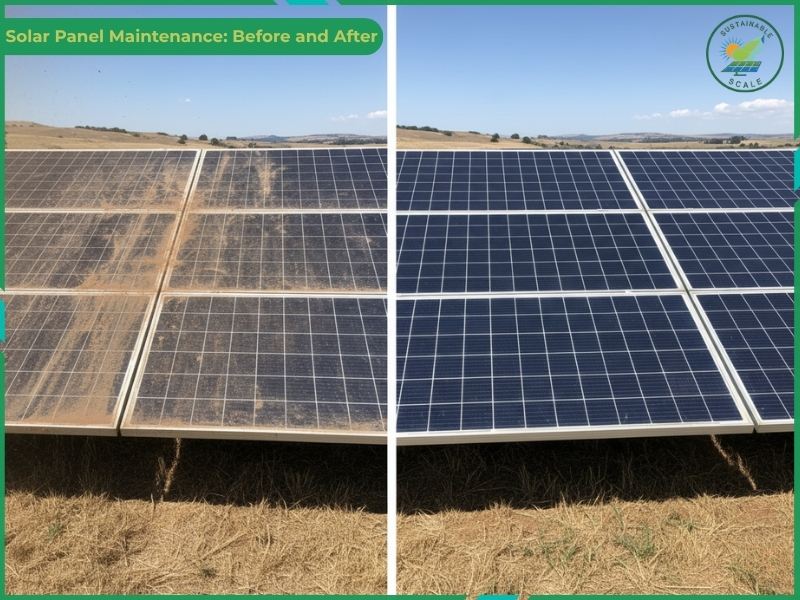
Keeping solar panels clean and free from dust, debris and shading improves energy yield, as these factors reduce efficiency by up to 25 to 30%. Routine solar inspection helps identify and solve issues such as loose connections, damaged wiring or physical damage before they become costly problems. Consistent care also extends the system’s lifespan, which allows solar panels to operate efficiently for decades and delays expensive replacements.
Solar panel warranties require regular maintenance to remain valid, so proactive care protects your investment and makes sure you benefit from coverage for potential defects or failures. The benefits of cleaning solar panels and conducting regular inspections help maintain high energy output and long-term financial savings.
The image below shows the before and after scenario of solar panel maintenance.
Are solar panels hard to maintain?
No, solar panels are not hard to maintain. They are durable, low-maintenance systems that require only occasional cleaning and inspections to keep them running efficiently. Regular maintenance helps maximize energy production and extend the lifespan of your solar investment.
What is the maintenance difference between ground-mounted and rooftop solar panels?
Ground-mounted solar panels are easier and safer to maintain than rooftop panels because they are more accessible for cleaning and repairs. Rooftop systems, on the other hand, require more manpower, specialized equipment and caution due to their elevated position and potential obstacles which makes maintenance more complex and sometimes more expensive compared to ground-mounted systems.
What are the maintenance issues with solar panels?
The maintenance issues with solar panels are listed below.
- Dust and debris buildup on solar panels blocks sunlight, reduces efficiency and requires regular cleaning to maintain performance.
- Bird droppings and pest infestation damage panels and block light that requires removal.
- Shading reduces sunlight absorption and overall energy production of solar panels.
- Inverter malfunctions or failures can disrupt the operation of the entire solar system.
- Loose or damaged wires of a solar system cause power loss or safety risks.
- Weather damage from storms, hail or wind can crack or break PV panels.
- Solar Panels lose efficiency over time due to aging.
- Small cracks in solar panels reduce performance and require repair.
- Faults in connections or components affect power output of solar panels.
How to replace solar panels?
To replace solar panels, follow the steps given below.
- Assessment and preparation: Inspect the roof and solar equipment, secure necessary permits and coordinate with roofing experts if needed.
- Removal of old panels: Safely disconnect and remove existing panels, storing them securely if they will be reinstalled.
- Installation of new panels: Mount new panels, reconnect wiring and install any upgraded components.
- System testing and reconnection: Test the solar system to confirm proper function, reconnect to the grid and make sure all panel warranties remain valid.
What should you know about solar panel warranties?
Solar panel warranties protect your investment by covering manufacturing defects and making sure panels maintain a certain performance level over time. Most solar warranties last 10 to 25 years for product and performance, with workmanship and labor warranties lasting 1 to 10 years.
There are different types of solar warranties given below.
- Product warranty: It covers manufacturing defects and material failures of solar panels for a set period, usually 10 to 25 years.
- Performance warranty: It guarantees a minimum power output of 80 to 90% after 25 years as panels naturally degrade.
- Workmanship warranty: It covers installation errors and related issues for 1 to 10 years, provided by the solar panel installer.
- Labor warranty: It covers the cost of labor for repairs or replacements of solar panels, often limited or not included by most solar manufacturers.
How does extreme weather impact solar panels?
Extreme weather impacts solar panels by causing physical damage from wind, hail and heavy snow, which cracks cells or degrade system components. Each severe weather event reduces a solar system’s annual energy output by about 1%, and these effects can accumulate over time, especially with repeated exposure. High temperatures also lower efficiency of solar panels.
How long do solar panels last?
Solar panels last between 25 and 30 years, with most manufacturers offering warranties for this period. The efficiency of solar panels gradually declines, usually at a rate of 0.5% to 0.8% per year, still they can generate electricity after 30 years, though at a reduced output compared to their original performance.
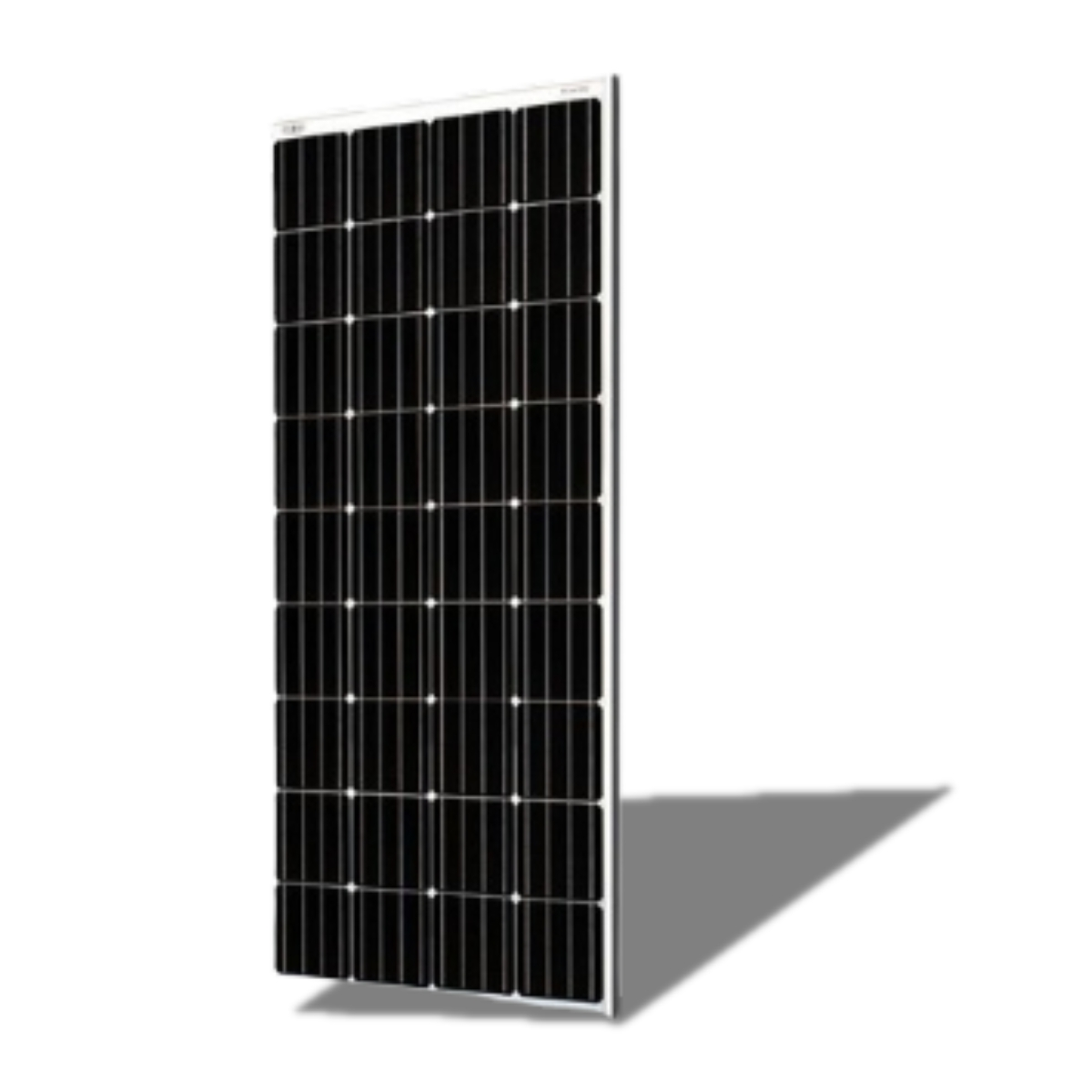
Solar Panel
Air Purifier